





Overview – What You’ll Learn in This Guide
Choosing the right laser stage lighting system is no longer just about adding bright colors to a show—it is about creating high-impact visual moments that define modern stage performances. Whether you work in the entertainment industry, manage a nightclub, operate a rental company, or handle technical production for musical performances, understanding how laser light works has become an essential skill. This guide gives you a clear, practical explanation of what laser lighting is, how it creates its signature laser light effects, and why it has become one of the most influential tools in today’s stage design.
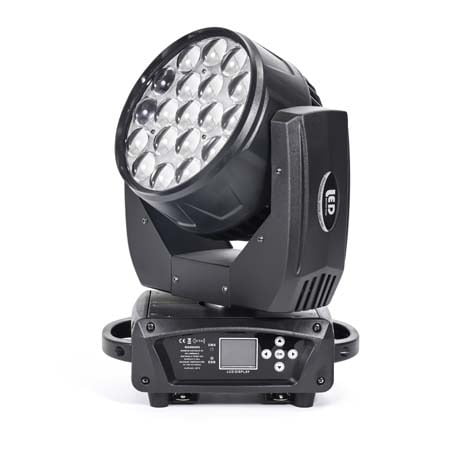
In the sections ahead, you will learn how laser stage lighting differs from traditional stage light systems, why the coherent nature of laser light produces uniquely focused beams and narrow beams of light, and how professional fixtures use optical scanning to draw patterns, animations, and aerial effects. You will also discover the key differences between show laser lights, laser beam light, and laser dj lights, along with the essential components inside a modern laser system.
Most importantly, this guide is designed to help buyers and professionals make informed decisions. You will learn what type of laser equipment works best for your venue size, your audience environment, and your show requirements—whether you are building a full laser show, upgrading your club lighting, or integrating lasers with LED fixtures and theatrical smoke for maximum impact. By the end, you’ll have the knowledge needed to evaluate products confidently, avoid common mistakes, and plan a system that delivers consistent, high-quality lighting effects for any stage.
What Is Laser Stage Lighting?
Laser stage lighting refers to a specialized category of professional stage equipment that uses the coherent nature of laser light to produce extremely sharp, high-intensity beams for visual effects. Unlike traditional stage light fixtures—such as LED PARs, moving heads, or lamps with a traditional bulb—a laser generates a single, highly concentrated focused beam. This is why laser beams remain straight, visible, and precise over long distances, even in large venues or open-air environments.
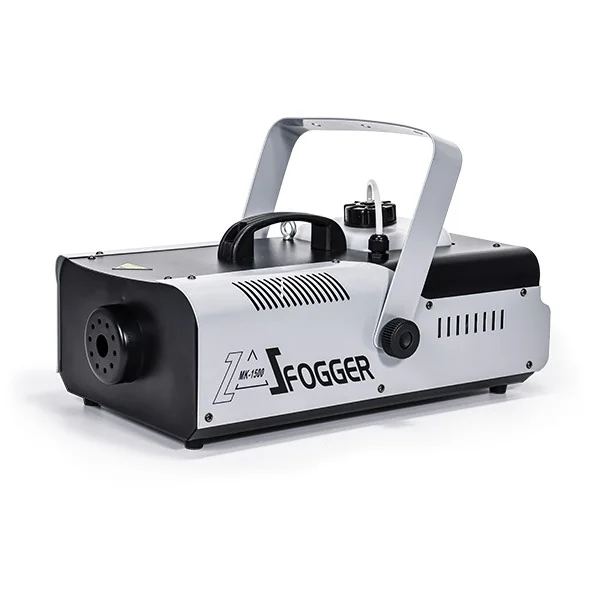
At the core of a laser fixture is a powered laser module that emits a narrow, directional beam. When combined with optical scanning systems, these beams can move rapidly across a stage or through the air, creating patterns, animations, tunnels, waves, and complex aerial effects. The result is a level of clarity and definition that conventional lighting fixtures cannot achieve—especially when paired with theatrical smoke, which makes the narrow beams of light fully visible from any angle in the audience.
In practical applications, laser stage lighting is used to enhance concerts, festivals, clubs, brand events, and musical performances by adding visual energy that cuts through LED video walls, haze, and bright ambient lighting. Modern lasers also come in different configurations, such as show laser lights designed for graphics and logos, laser beam light fixtures for strong aerial effects, and compact laser dj lights for portable setups.
In short, laser stage lighting is not just another effect—it is a precision-driven technology that delivers iconic laser light effects, elevating any performance and offering a visual impact unattainable with conventional lighting tools.
How Laser Stage Lighting Works
From Powered Laser to Focused Beam

A laser fixture begins with a powered laser module inside the laser system, where electrical energy is converted into a highly concentrated stream of light. Unlike traditional lamps, the output does not scatter—it is shaped into an extremely focused beam that stays sharp and consistent over long distances. This is the fundamental reason laser stage lighting produces cleaner, tighter visual effects than any conventional stage fixture.
Optical Scanning & Drawing Patterns

Once the beam is created, it passes through a pair of high-speed mirrors responsible for optical scanning. By moving the beam horizontally and vertically, the system can draw patterns such as shapes, tunnels, waves, text, or even simple animations. This is how show lasers create graphics, logo projections, and choreographed visual effects that feel precise and dynamic.
Why Theatrical Smoke Matters

Lasers need theatrical smoke to reveal their full visual impact. Without haze, the audience only sees the projected pattern—not the beam traveling through the air. With proper smoke density, lasers create powerful 3D laser light effects like tunnels, fans, and aerial grids. This is why professional setups always pair lasers with a fog or haze machine to ensure maximum visibility and depth.
Types of Laser Stage Lighting
Show Laser Lights – For Graphics, Logos & Text

Show laser lights are designed to project detailed graphics, logos, and lettering by using high-speed scanners to drawing patterns with precision. These fixtures are common in branded events, theatrical productions, and stage performances where visual storytelling is important. They can also animate shapes and motion paths, making them ideal for themed shows and corporate presentations.
Laser Beam Light – For Strong Aerial Effects

A laser beam light focuses on creating intense aerial beams that cut clearly through haze. These fixtures are widely used in concerts, festivals, and high-energy musical performances, producing tunnels, fans, and sweeping beam looks. Their strength lies in clean, sharp lines that visibly travel across the entire venue, adding depth and atmosphere to large stages.
Laser DJ Lights – Compact Solutions for Small Venues

Laser dj lights are lightweight, portable fixtures built for DJs, bars, lounges, and small clubs. They typically include preset patterns, sound-active modes, and simple control options. While more compact than professional show lasers, they still deliver dynamic visual movement and are ideal for enhancing intimate dance floors or mobile DJ setups.
Laser Stage Lighting vs Traditional Stage Lighting
Laser Light vs LED Lights & Traditional Bulbs

Traditional stage light fixtures—such as PARs, moving heads, LED lights, or units using a traditional bulb—produce wide, scattered illumination meant to wash a stage or highlight performers. Laser fixtures operate completely differently. Because of the coherent nature of laser output, they generate extremely narrow beams of light that remain sharp over long distances and are visible even against bright backgrounds. This gives lasers a level of definition and intensity that conventional fixtures cannot replicate.
When to Use Laser Stage Lighting Instead of More LEDs

Laser lighting becomes the better choice when the goal is to create dramatic lighting effects such as aerial beams, tunnels, fans, grids, or high-impact visuals that interact with haze. These effects rely on precision and beam tightness—not overall brightness—so increasing the number of LED lights will never achieve the same result. In small clubs, large festivals, and theatrical moments where you want the audience to feel the energy of the show, laser stage lighting delivers a unique visual language that traditional fixtures simply cannot produce.
Key Laser Light Effects You Can Create
Aerial Beams, Tunnels & Fans

With proper haze, lasers create iconic laser beams that stay razor-sharp across the entire venue. These beams can be shaped into tunnels, fans, waves, or sweeping aerial lines, producing immersive laser light effects that energize concerts, clubs, and large-scale musical performances. These looks are impossible to achieve with traditional fixtures because they rely on the laser’s tightly focused output.
Logos, Text & Graphic Patterns

Through high-speed scanning, laser fixtures can drawing patterns such as corporate logos, event names, geometric shapes, or themed visuals. This capability makes them valuable for branded shows, EDM events, theatrical presentations, and special effects moments where precision graphics add storytelling and identity to the stage.
Animated Effects for Dynamic Moments

Beyond static graphics, lasers can animate lines, grids, rotations, waves, and rhythmic motion sequences that sync tightly with music. These dynamic lighting effects help define build-ups, drops, transitions, and key emotional peaks during performances, allowing lighting designers to structure visual moments that enhance both atmosphere and audience engagement.
Where Laser Stage Lighting Works Best
Laser stage lighting delivers its strongest impact in environments that require sharp aerial beams, dynamic movement, or precise graphic projection. Below are the settings where laser light effects consistently outperform traditional fixtures.
-
Concerts & Music Festivals
Ideal for long-distance laser beams that remain visible across large crowds, especially during high-energy musical performances and outdoor stages. -
Nightclubs, Bars & Dance Floors
Compact lasers create rhythmic aerial lines, tunnels, and animated looks that elevate club atmospheres and complement DJ lighting setups. -
Touring Shows & Rental Productions
High-impact visuals with minimal equipment make lasers valuable for mobile productions, offering strong versatility and efficient transport. -
Theatrical & Special Performances
When paired with theatrical smoke, lasers add immersive depth, highlight narrative moments, and enhance modern scenic design with clean, defined laser light effects.
How to Choose the Right Laser Stage Lighting System
Selecting the right laser system depends on your venue size, show requirements, and the type of visual impact you want to create. The points below will help you evaluate equipment confidently and avoid common mistakes.
-
Match Power Output to Venue Size
Higher-power lasers are suitable for large stages and outdoor use, while compact units work well for smaller clubs and mobile DJs. -
Decide Between Beam-Focused or Graphic-Focused Lasers
If you want strong aerial looks, choose units optimized for laser light effects.
If you need logos, text, or animations, prioritize fixtures with higher-speed scanning for cleaner drawing patterns. -
Check Scanning Speed & Build Quality
Fast, stable scanners ensure smooth graphics and accurate shapes, especially for professional shows. -
Evaluate Control Options (DMX, Software, Auto Modes)
For integration with existing stage light setups or LED lights, ensure your laser supports DMX or laser-control software. -
Confirm Safety Features for Audience Use
Look for certified safety mechanisms, beam-angle limits, and adjustable output to comply with venue regulations. -
Consider Maintenance, Reliability & Brand Support
Touring companies and rental operators should prioritize robust build quality, stable operation, and accessible technical service.
Safety Considerations for Laser Stage Lighting
Laser stage lighting delivers powerful visual impact, but improper use can create safety risks. The following guidelines help ensure that your laser system is operated responsibly and in compliance with industry standards.
-
Avoid Direct Audience Exposure
Lasers should never point directly into the audience’s eyes. Set safe beam angles and avoid scanning at eye level. -
Use Appropriate Power for the Venue
High-wattage lasers are designed for large stages. Small indoor venues should use lower-power units to reduce risk. -
Control Haze Levels for Clear Visibility
Too much or too little haze affects beam clarity and safety. Maintain stable atmospheric conditions for predictable visuals. -
Check Certification and Safety Ratings
Ensure your fixtures meet local safety standards and include built-in protections such as key switches and emission delays. -
Keep Reflective Surfaces Away from Beam Paths
Mirrors, glass, and shiny metal can cause unexpected reflections. Keep the stage clear to avoid stray beams. -
Train Operators Before Live Use
Anyone controlling a laser system should understand operational limits, emergency stop functions, and safe programming practices.
Common Mistakes Beginners Make
Many users new to laser stage lighting encounter preventable issues that reduce visual impact or compromise safety. Avoiding the mistakes below will ensure your system performs reliably in real show environments.
-
Using a Laser Without Theatrical Smoke
Without haze, beams disappear and only patterns remain visible. Proper theatrical smoke is essential for strong aerial laser light effects. -
Choosing Power Without Considering Venue Size
Oversized lasers overwhelm small spaces, while low-power units underperform on large stages. -
Ignoring Scanning Speed for Graphic Shows
Slow or unstable optical scanning results in shaky lines and distorted shapes, especially when drawing patterns or logos. -
Placing Lasers at Unsafe Angles
Beginners often aim beams too low, increasing risk to audience members and violating safety rules. -
Expecting Lasers to Replace All Lighting
Lasers create effects, not general illumination. They should complement—not replace—your existing stage light and LED fixtures. -
Skipping Equipment Testing Before a Show
Many issues appear only during full-power operation. Always test haze levels, scanning paths, and safety zones before opening the venue.
FAQ – High-Intent Questions About Laser Stage Lighting
These concise answers help professionals understand key considerations before investing in laser stage equipment.
Q1: What is the main difference between laser stage lighting and LED stage lights?
A: Lasers produce extremely narrow, high-precision beams that stay sharp over long distances, enabling aerial effects and graphics. LED fixtures provide wash, color, and general illumination but cannot replicate the definition or intensity of laser light effects.
Q2: Do I need theatrical smoke to make laser beams visible?
A: Yes. Without theatrical smoke, only surface projections are visible. A controlled haze environment is essential for tunnels, fans, and other 3D aerial effects.
Q3: How much laser power is suitable for small indoor venues?
A: Low- to mid-power units are typically sufficient for bars, clubs, and DJ setups. Higher-power systems are designed for outdoor stages or large venues and may be too intense for confined spaces.
Q4: What is the difference between show laser lights and laser beam lights?
A: Show lasers focus on drawing patterns, logos, and animations via high-speed scanning, while beam lasers specialize in strong aerial looks and atmospheric effects used in concerts and high-energy shows.
Q5: Can laser lights integrate with DMX and other stage lighting systems?
A: Yes. Most professional laser systems support DMX or control software, enabling synchronized operation with moving heads, LED lights, and other stage light fixtures.
Conclusion & Next Steps
Laser stage lighting has become an essential tool for modern productions, offering precision, intensity, and visual depth that traditional fixtures cannot match. Whether used for concerts, clubs, musical performances, or theatrical environments, a well-configured laser system adds a level of impact that elevates the entire show. Understanding how lasers work, the types available, and how to choose the right model ensures that your investment delivers consistent, professional-grade results.
If you are planning to upgrade your stage design, build a new lighting setup, or integrate lasers into an existing rig, the next step is to assess your venue size, effect requirements, and control workflow. A tailored configuration—combining lasers with haze, LED fixtures, and other stage light elements—will always achieve better visual performance than a single device alone.
For businesses, rental companies, and venue operators seeking reliable recommendations or custom solutions, exploring supplier options and requesting a configuration plan is the most effective way to move forward. With the right guidance, your next project can achieve truly immersive laser light effects that resonate with audiences and enhance the overall production experience.


LED Screen Refresh Rate Explained: 1920Hz vs 3840Hz Guide
Learn what LED screen refresh rate means, the difference between 1920Hz and 3840Hz, and how to choose the right refresh rate for different LED display applications.

How Many Nits for LED Screens? Indoor vs Outdoor Guide
Learn the right LED screen brightness for indoor and outdoor use, including nits recommendations, viewing conditions, and practical selection tips.

LED Pixel Pitch Explained: Distance & Selection Guide
Learn what LED pixel pitch is, how it affects viewing distance and resolution, and how to choose the right pixel pitch for indoor, outdoor, and stage displays.

LED Display Screens Explained: Technology, Pixel Pitch & Use
Learn how LED display screens work, including technology, components, pixel pitch, brightness, installation methods, and how to choose the right display.

What Is a Stage LED Screen? Types, Uses and Guide
Learn what a stage LED screen is, how LED screens work on stage, the types of stage LED displays, and how to choose the right LED screen for events.

DMX Laser Lights Explained: Control, Use, and Setup
This article explains what DMX laser lights are, how DMX control works, where these systems are used, and how they function as part of professional laser light equipment in modern shows.



 EN
EN  ES
ES  PT
PT  DE
DE  FR
FR  KO
KO  JA
JA  RU
RU  AR
AR  IT
IT  TR
TR  MS
MS  ID
ID  VI
VI  TH
TH  HI
HI  BN
BN  ZH
ZH