





Introduction – Why DMX Control Matters for Laser Lighting
As laser effects become a standard element in modern stage productions, control precision has become just as important as laser output itself. This is where DMX laser lights differ from basic, standalone laser units commonly used for simple effects.
In professional environments, laser lights are treated as part of a complete laser light equipment system rather than independent visual devices. DMX control allows laser effects to be programmed, synchronized, and adjusted in real time alongside other stage fixtures, ensuring that laser visuals support the overall show design instead of operating in isolation.
For lighting designers and operators, DMX is not simply a control option—it is the foundation that makes laser lighting usable in structured performances. Understanding how DMX control shapes laser behavior is essential for anyone working with professional laser lighting systems.
What Are DMX Laser Lights?

DMX laser lights are laser fixtures designed to operate within professional lighting control systems using the DMX512 protocol. Instead of running preset programs on their own, these laser units respond directly to DMX signals, allowing operators to control laser behavior as part of a coordinated stage show.
In practical terms, DMX laser lights give lighting designers control over when laser effects appear, how they move, and how they interact with other fixtures on stage. This makes them fundamentally different from standalone or sound-activated laser units, which operate independently and offer limited creative control.
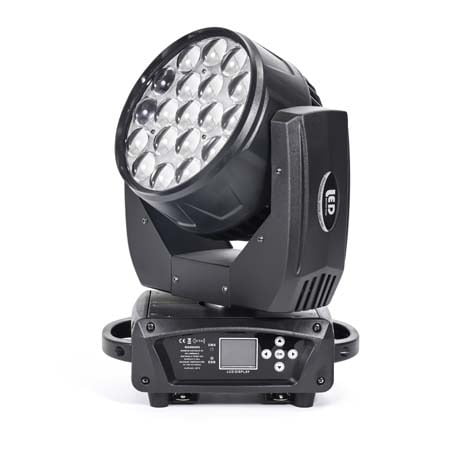
Within a professional setup, DMX laser lights are treated as core laser light equipment, integrated alongside moving heads, LED fixtures, and control consoles. Their value lies not only in visual impact, but in their ability to follow show timing, cues, and transitions with precision—something that is essential in structured performances and live productions.
How DMX Laser Lights Work
DMX laser lights operate by translating DMX512 control signals into specific laser behaviors. Instead of playing internal programs, the laser responds to commands sent from a lighting console or controller, allowing it to act in sync with the rest of the stage lighting system.
This approach turns the laser from a self-running effect into a controllable show element, making it suitable for structured performances where timing and coordination matter.
DMX Signal to Laser Behavior

Each DMX channel assigned to a laser controls a defined function, such as laser output, effect selection, scanning movement, speed, or color. By adjusting these channel values, operators can decide exactly when laser effects start, stop, change direction, or intensify during a show.
This channel-based control is what allows DMX laser lights to follow cues and transitions accurately, rather than reacting unpredictably to sound or internal presets.
Synchronization with Other Stage Equipment

Because DMX laser lights share the same control protocol as other fixtures, they can be synchronized with moving heads, LED lights, and effects devices. This ensures laser effects reinforce musical moments and visual changes instead of competing with them.
In professional setups, DMX control allows laser lighting to behave as part of a unified lighting system—supporting the show’s structure, rhythm, and visual balance rather than operating independently.
What Can You Control with DMX Laser Lights
With DMX control, laser fixtures become fully programmable show elements rather than fixed-effect devices. The following parameters are commonly controlled in professional DMX laser lights setups:
Laser Output and On/Off Timing
Precisely control when laser effects appear or blackout during specific moments of a show.Beam Movement and Scanning Patterns
Adjust scanning paths, directions, and motion styles to shape how laser beams move across the stage and audience space.Effect Speed and Intensity
Modify how fast or slow laser effects run, allowing smooth transitions or high-energy visual bursts.Color Selection and Mixing
Control single-color lasers or mix colors in RGB laser systems to match stage mood and music dynamics.Show Synchronization and Cueing
Align laser behavior with lighting cues, music changes, and other laser light equipment in the DMX system.
Typical Applications of DMX Laser Lights
DMX laser lights are primarily used in environments where precise timing, synchronization, and repeatable control are required. They are most effective in professional settings where laser effects must follow show structure rather than operate independently.
Concerts and Live Stage Performances
Used to create synchronized laser moments that align with musical drops, transitions, and key visual cues on stage.DJ Shows and Electronic Music Events
Commonly integrated into DMX-controlled lighting rigs to deliver rhythmic beam movements and dynamic laser patterns.Festivals and Large-Scale Outdoor Shows
Applied where long-distance visibility and coordinated effects are essential for wide audience areas.Theater and Performance Productions
Used selectively to enhance atmosphere and dramatic moments while remaining tightly controlled within the lighting system.Professional Touring and Event Productions
Favored for setups that require consistent results across multiple venues using standardized laser light equipment.
DMX Laser Lights as Part of Laser Light Equipment
In professional productions, DMX laser lights are not treated as standalone effects but as one component within a broader laser light equipment system. Their role is to add precision-driven visual impact while remaining fully aligned with the overall lighting design.
Within a complete setup, DMX-controlled lasers work alongside moving heads, LED fixtures, strobes, and control consoles. Rather than competing for attention, laser effects are programmed to support specific moments—such as transitions, highlights, or climactic sections—where focused beams and scanning patterns enhance the visual narrative of the show.
This system-based approach is what separates professional laser use from casual applications. When DMX laser lights are planned as part of the full lighting equipment package, they contribute structure, timing accuracy, and visual consistency, ensuring laser effects strengthen the performance instead of distracting from it.
DMX Laser Lights vs Other Laser Control Methods
| Control Method | DMX Laser Lights | Auto / Preset Laser Lights | Sound-Activated Lasers |
|---|---|---|---|
| Control Precision | High – fully programmable via DMX channels | Limited – fixed internal programs | Very limited – reacts to audio only |
| Show Synchronization | Full synchronization with lighting cues | Minimal synchronization | No structured synchronization |
| Use in Performances | Professional live shows and productions | Small events or simple setups | Entry-level or casual use |
| Creative Flexibility | High – effects change with show design | Low – same patterns repeat | Low – unpredictable behavior |
| Integration with Other Fixtures | Part of a unified lighting system | Operates independently | Operates independently |
| Operator Control | Console-based, real-time control | Basic onboard control | No direct control |
How to Choose DMX Laser Lights
Selecting the right DMX laser lights depends less on individual specifications and more on how the fixture will function within a complete lighting system. The following factors help determine whether a laser unit is suitable for professional use.
DMX Control Capability
Confirm that the laser supports stable DMX control with clearly defined channels for output, effects, movement, and color.Compatibility with Lighting Consoles
Ensure the laser integrates smoothly with standard lighting controllers used in professional setups.Laser Output and Scanning Stability
Choose units that deliver consistent beam quality and reliable scanning during long show runs.Color Configuration and Flexibility
RGB laser systems offer greater creative range compared to single-color designs, especially in dynamic stage environments.Build Quality as Professional Laser Light Equipment
Construction, cooling, and internal components should be designed for continuous operation rather than occasional use.
Common Mistakes When Using DMX Laser Lights
Even professional-grade DMX laser lights can underperform if they are used without proper planning or system awareness. The following mistakes are common in stage and event environments.
Treating DMX Laser Lights as Standalone Effects
Using lasers without integrating them into the overall lighting system often results in visual clutter and poor timing.Poor DMX Channel Mapping
Incorrect or inconsistent channel assignments make laser behavior difficult to control during live shows.Overusing Laser Effects
Excessive laser output can overwhelm other stage elements instead of enhancing key moments.Ignoring Environmental Factors
Without appropriate atmospheric effects, laser beams lose visibility and impact.Neglecting Safety Considerations
Failing to plan beam direction and output levels increases risk in professional performance settings.
FAQ – DMX Laser Lights
Q1: What does DMX control actually change in laser lights?
DMX control allows operators to manage when laser effects appear, how they move, and how they synchronize with other stage fixtures, rather than relying on fixed internal programs.
Q2: Are DMX laser lights necessary for professional stage shows?
For structured performances that require precise timing and coordination, DMX laser lights are generally considered essential rather than optional.
Q3: How many DMX channels do laser lights typically use?
The number of channels varies by model, but professional laser units often use multiple channels to control output, scanning, effects, and color functions.
Q4: Can DMX laser lights be used together with other lighting fixtures on the same system?
Yes. DMX laser lights are designed to operate within the same control network as moving heads, LED fixtures, and other lighting equipment.
Q5: What should be considered first when programming DMX laser lights?
Beam direction, timing, and integration with the overall lighting design should be prioritized before focusing on complex effects.
Conclusion – Understanding DMX Laser Lights in Modern Shows
DMX laser lights have become an essential part of modern stage productions because they offer control, precision, and consistency that standalone laser systems cannot provide. Their value lies not only in visual impact, but in their ability to function as coordinated elements within a structured lighting system.
When integrated properly, DMX-controlled lasers support show timing, reinforce musical dynamics, and enhance key visual moments without disrupting overall design balance. This system-based approach is what separates professional laser use from casual applications.
By understanding how DMX laser lights operate within complete laser light equipment setups, lighting designers and production teams can make informed decisions that improve both creative flexibility and operational reliability in live shows.


LED Screen Refresh Rate Explained: 1920Hz vs 3840Hz Guide
Learn what LED screen refresh rate means, the difference between 1920Hz and 3840Hz, and how to choose the right refresh rate for different LED display applications.

How Many Nits for LED Screens? Indoor vs Outdoor Guide
Learn the right LED screen brightness for indoor and outdoor use, including nits recommendations, viewing conditions, and practical selection tips.

LED Pixel Pitch Explained: Distance & Selection Guide
Learn what LED pixel pitch is, how it affects viewing distance and resolution, and how to choose the right pixel pitch for indoor, outdoor, and stage displays.

LED Display Screens Explained: Technology, Pixel Pitch & Use
Learn how LED display screens work, including technology, components, pixel pitch, brightness, installation methods, and how to choose the right display.

What Is a Stage LED Screen? Types, Uses and Guide
Learn what a stage LED screen is, how LED screens work on stage, the types of stage LED displays, and how to choose the right LED screen for events.

What Is an Outdoor Laser Light Projectors?
This guide explains how outdoor laser light projectors are used in live performances, including key laser effects, performance scenarios, safety considerations, and how to choose the right system for outdoor shows.



 EN
EN  ES
ES  PT
PT  DE
DE  FR
FR  KO
KO  JA
JA  RU
RU  AR
AR  IT
IT  TR
TR  MS
MS  ID
ID  VI
VI  TH
TH  HI
HI  BN
BN  ZH
ZH