





1. Introduction: Why Everyone’s Talking About LED PAR CAN Lights
In the world of stage and event lighting, few fixtures are as recognizable and widely used as the LED PAR CAN light. From theaters and concerts to weddings, nightclubs, and architectural lighting projects, these powerful, compact units have become an essential part of any lighting designer’s toolkit. But what makes them so popular—and why should you care?
The answer lies in their versatility, efficiency, and performance. LED PAR CAN lights offer high-intensity output in a small, durable housing, and can deliver everything from soft washes to bold, color-rich beams. Compared to their halogen predecessors, they consume less power, generate less heat, and offer far greater control options via DMX.
For professionals in event production, entertainment, or venue management, understanding what a PAR CAN is—and what modern LED versions can do—is crucial for making smart lighting decisions. In this article, we’ll break down everything you need to know: from technical definitions and product types to certifications, control systems, and real-world applications.
Whether you’re buying for a stage install or just curious about lighting tech, this is your go-to guide to the LED PAR CAN.
2. What Is a PAR CAN Light? (Origin + Structure)
A PAR CAN light—short for Parabolic Aluminized Reflector in a CAN—is one of the most iconic types of stage lighting fixtures. Originally developed for theater and concert use, it features a cylindrical metal housing (the “CAN”) that holds a specialized reflector lamp designed to project strong, uniform beams of light. These fixtures gained popularity for their simplicity, durability, and ability to throw consistent lighting over long distances.
At its core, a PAR CAN light consists of three components: the lamp (bulb), the reflector, and the lens—all housed inside the metal CAN body. The reflector helps shape the beam, while the lens affects the spread and intensity. In traditional halogen PAR CANs, these parts were often sealed into a single unit. However, with the rise of LED technology, the structure evolved.
Today’s LED PAR CAN lights integrate LED chips, built-in drivers, and DMX control boards within a similar cylindrical form factor. They maintain the classic silhouette but offer advanced features like RGB or RGBW color mixing, strobe effects, and lower power consumption—all in a more compact, low-heat, and efficient package.
Whether used for front lighting, wall washing, or highlighting architectural elements, the PAR CAN remains a go-to solution in both professional stage productions and mobile DJ setups.
3. From Halogen to LED: Evolution of PAR Lighting
The journey from halogen to LED has fundamentally reshaped what PAR lighting means in the stage and event world. In the past, halogen PAR CANs were the standard—bulky, heat-generating, and power-hungry. They produced warm, rich light but required frequent lamp replacements and consumed significant amounts of electricity. Their beam control was fixed based on the lamp type, and color changes required manual gel inserts.
Enter the LED PAR revolution. LED technology introduced fixtures that are lighter, more energy-efficient, and capable of producing millions of colors without the need for gels. Instead of swapping out lenses or lamps, users could control color, brightness, strobe, and dimming remotely via DMX or app-based systems.
The upgrade wasn’t just about convenience. LED PAR lights generate much less heat, which is safer for venues and reduces the strain on cooling systems. They also last tens of thousands of hours, reducing maintenance costs.
Importantly, LED PARs preserved the familiar CAN-style housing, making the transition seamless for professionals used to traditional setups. But under the hood, they became smarter, faster, and more versatile—transforming PAR lights from basic stage tools into programmable visual effects devices.
This evolution has opened new creative possibilities for lighting designers in concerts, theater, exhibitions, retail, and architecture.
4. Key Features of LED PAR CAN Lights
What sets LED PAR CAN lights apart from traditional lighting fixtures isn’t just their energy efficiency—it’s the smart combination of performance, flexibility, and control that makes them indispensable in modern lighting setups.
First, LED PAR lights offer dynamic color mixing, usually through RGB, RGBW, or RGBA chipsets. This allows users to create a nearly infinite range of colors without gels or filters. Advanced models even support UV or amber chips for richer hues and stage effects.
Second, they deliver high lumen output with low power consumption. Compared to halogen PARs, LED versions can cut energy use by up to 80%, while providing brighter, more focused light. This makes them ideal for installations where power supply or cooling is limited.
Third, they’re DMX-controllable, which means lighting designers can remotely program brightness, color, fade, strobe, and even movement in sync with music or stage action. This is critical for live performances, where timing and consistency are everything.
Fourth, modern LED PAR CANs are lightweight and durable, often made from aluminum housing with IP-rated protection, making them suitable for both indoor and outdoor use.
Finally, they are low-maintenance. With long-lasting LEDs (often 30,000–50,000 hours), you reduce both bulb replacement costs and setup downtime.
In short, LED PAR CAN lights combine power, precision, and reliability in one fixture—making them a top choice for professionals across the lighting industry.
5. Main Types of LED PAR CAN Lights
Modern LED PAR CAN lights come in a variety of sizes, configurations, and specialties. Choosing the right type depends on your venue, beam requirements, and desired lighting effects. Below are the most common types you’ll find in the market today:
PAR54 LED PAR CAN Light

The PAR54 is a mid-sized fixture widely used in concerts, theaters, and event rentals. It balances portability with powerful output, often featuring 54 individual LEDs for rich RGB or RGBW color mixing. Its beam angle is moderate, making it ideal for both spot effects and wide-area washes.
PAR18 LED PAR Light

A PAR18 is compact, budget-friendly, and often used for uplighting or accent lighting. Despite its small size, it delivers impressive brightness with focused beams, making it perfect for mobile DJs, wedding venues, and tight-stage installations.
PAR36 LED PAR Light

The PAR36 is known for its narrow beam and retro aesthetic. It’s often found in theatrical productions or decorative architectural lighting. While limited in color mixing, it provides strong, directional light with a signature circular focus.
Slim Flat PAR Light
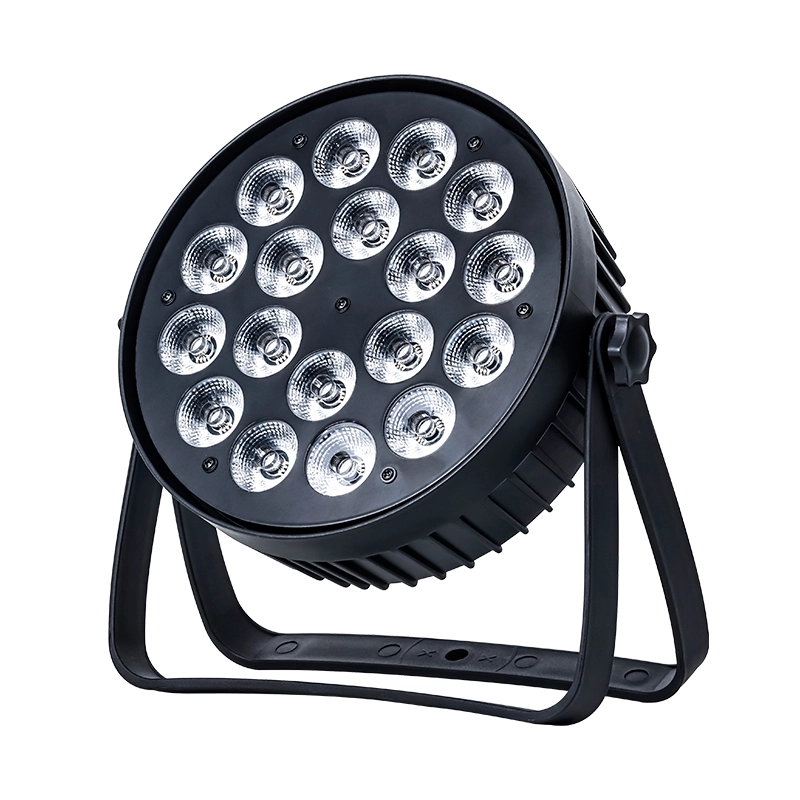
A Slim Flat PAR Light offers all the power of traditional PARs but in a space-saving, low-profile design. These are popular in truss setups or stage backdrops where space and weight are critical. Most models feature silent cooling and are perfect for noise-sensitive environments like weddings and conferences.
Outdoor Waterproof PAR Light

Outdoor Waterproof PAR Lights are built to endure tough environments with IP65 or higher ratings. Ideal for exterior architecture, festivals, and open-air stages, they resist rain, dust, and moisture. Their robust housing ensures consistent performance in all weather conditions.
6. Applications in Different Stage & Event Scenarios
Concert Stages

LED PAR CAN lights are a staple in live concert setups. They are often used for dynamic wash lighting, color-chasing effects, and synchronized visual sequences with music. Mounted on overhead trusses or stage wings, they provide ambient color floods or sharp accent beams depending on beam angle.
Recommended lighting pairings:
PAR54 LED PAR for strong wash and color mixing
Beam moving head for punchy, narrow effects
Strobe lights for rhythmic highlights
Weddings & Banquet Halls

Elegant events like weddings rely on LED PAR lights for creating ambient moods, highlighting floral arrangements, and illuminating walls or dance floors. Their silent operation and compact size make them ideal for discreet installations.
Recommended lighting pairings:
PAR18 or Slim Flat PAR for uplighting columns and floral decor
Wireless battery PAR for flexible placement
Warm white spotlights for table or cake highlighting
Theaters & Drama Stages

In theatrical productions, LED PARs are often used for general stage washes or color backdrops. Their predictable color temperatures and dimming curves are essential for mood-setting and scene transitions.
Recommended lighting pairings:
Slim Flat PARs for side or foot lighting
Fresnel lights for soft-edged stage front lighting
DMX control system for scene presets and automation
Clubs & Nightlife Venues

Clubs require fast, colorful, high-impact lighting—and LED PARs deliver. Their RGB mixing and strobe effects are great for energizing dance floors and syncing to audio beats.
Recommended lighting pairings:
PAR54 or PAR36 for bold color bursts
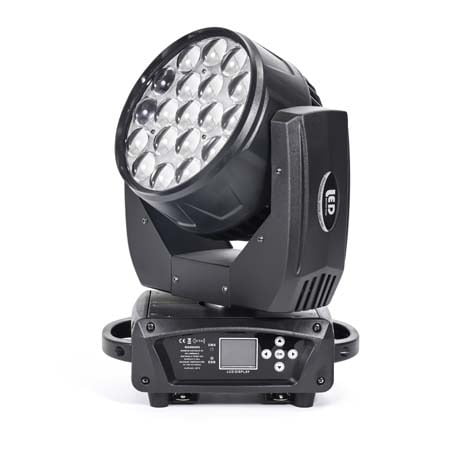
Moving heads for sweeping effects
Laser lights for added dimension
Outdoor Festivals & Architecture

Thanks to waterproof models, LED PARs are widely used for illuminating building facades, outdoor installations, and temporary festival setups. Their long throw and durability make them ideal for such conditions.
Recommended lighting pairings:
Outdoor PAR IP65+ for landscape and stage washing
LED wall washers for architectural highlights
LED pixel bars for dynamic visual accents
7. How to Choose the Right LED PAR CAN Light
Selecting the right LED PAR CAN light depends on a few critical factors—each tied to your venue type, lighting purpose, and technical requirements. Choosing the wrong model can lead to wasted budget, poor lighting impact, or unnecessary maintenance.
Start by defining your application scenario. For concerts or club stages, opt for PAR54 RGBW lights with high brightness and wide color range. For weddings or events, silent operation and warm tones are more important—Slim Flat PAR or battery-powered PARs are ideal. In outdoor use, always check IP ratings—IP65 or higher is non-negotiable for weatherproof safety.
Next, consider your beam angle needs. Narrow beams (15–25°) work well for accent or beam effects; wider beams (30–60°) suit stage washes or wall uplighting. Also, evaluate control compatibility—DMX support is essential for integration into lighting systems.
Don’t overlook build quality and housing material. Aluminum shells dissipate heat better and are more durable than plastic alternatives. And if you’re managing multiple units, consider models with master-slave sync or app control for easier programming.
Choosing the right LED PAR isn’t just a technical decision—it’s the foundation of your stage’s visual story.
8. LED PAR Light vs. Other Stage Lighting
How LED PAR Lights Compare to Other Stage Fixtures
While LED PAR lights are incredibly versatile, they are just one piece of a broader stage lighting toolkit. Understanding how they compare with other lighting types helps ensure you’re using them effectively—not trying to make them do what another fixture does better.
| Lighting Type | Main Features | Best Used For |
|---|---|---|
| LED PAR Light | Wide-angle wash, static color mixing, compact, affordable | General washes, uplighting, ambient fill |
| Beam Light | Narrow, sharp beams with intense output, high punch | Concert effects, aerial visuals, beam shows |
| Spot Light | Controlled circular focus, high intensity, sometimes with framing | Actor/key lighting in theaters, detail highlights |
| Wash Moving Head | Dynamic movement, zoom capability, full-stage washes | Dynamic lighting scenes, color transitions |
| Fresnel Light | Soft edges, adjustable beam via lens movement | Theater stage lighting, front-of-house general light |
In summary, LED PAR lights shine in simplicity, cost-efficiency, and color wash capability. For advanced effects or motion, pairing them with moving heads or beam lights gives you a complete lighting rig that can meet most stage demands.
9. Terminology Guide: Understanding LED PAR Light Jargon
Understanding these core terms can help you make smarter decisions and communicate effectively with lighting professionals or suppliers.
PAR (Parabolic Aluminized Reflector): A type of lighting fixture originally designed with a reflective housing to concentrate light. In LED models, the shape remains but the reflector is often replaced with LED lenses.
RGB / RGBW / RGBA / RGBWA+UV: Color mixing systems in LED fixtures.
RGB = Red, Green, Blue.
RGBW adds White for better pastel tones.
RGBA includes Amber for warm tones.
RGBWA+UV expands effects and accuracy, ideal for events needing both vibrant and subtle color options.
Beam Angle: The width of the light beam emitted from the fixture, measured in degrees. Narrow angles are used for focused spots; wider angles for washes.
DMX512: The standard digital control protocol for lighting. Allows for precise programming of color, brightness, effects, and synchronization.
IP Rating (Ingress Protection): Indicates how weatherproof a fixture is. For outdoor use, look for IP65 or higher to ensure protection from water and dust.
Lux: Measures the amount of light that hits a surface. Useful for planning lighting layouts and coverage.
Daisy Chaining: A method of linking multiple lights together through power and DMX cables, allowing synchronized control.
Strobe: A flashing effect created by rapid light pulses, often used in clubs or high-energy events.
10. FAQs About LED PAR CAN Lights
What is the difference between PAR and PAR CAN lights?
They refer to the same category of lights. “PAR” describes the lamp type (Parabolic Aluminized Reflector), while “PAR CAN” refers to the housing or fixture. In the LED era, the term “LED PAR” is more common, though both mean the same thing in practical use.
Are LED PAR lights better than traditional halogen PARs?
Yes. LED PAR lights are more energy-efficient, produce less heat, have longer lifespans, and offer greater color control (e.g., RGB mixing) without needing gels. They’re also safer and more cost-effective in the long term.
What beam angle should I choose for my LED PAR light?
It depends on the application. A narrow beam (15°–25°) is best for spotlight or focused effects, while a wide beam (30°–60°) is ideal for stage washing or uplighting walls and ceilings.
Do I need a DMX controller for LED PAR lights?
If you want synchronized lighting effects, scenes, and fades, a DMX controller is essential. However, for basic use (like static color or auto modes), some lights offer standalone or sound-active functions without DMX.
Can LED PAR CAN lights be used outdoors?
Only models with IP65 or higher waterproof ratings are suitable for outdoor use. These fixtures are weather-sealed to protect against rain, dust, and humidity.
11. Conclusion: Why LED PAR CAN Lights Are Still the Top Choice
Whether you’re lighting up a concert stage, a wedding hall, or a corporate event, LED PAR CAN lights continue to be the go-to solution for both professionals and beginners. Their versatility, affordability, and ease of use make them ideal for creating vibrant washes, dynamic atmospheres, and color-accurate lighting—without the bulk or complexity of more advanced fixtures.
What truly sets LED PAR lights apart is their ability to deliver powerful results with minimal setup. From plug-and-play modes to full DMX integration, these fixtures scale with your needs. As the market evolves, newer models now offer even more advanced features: wireless control, IP65 waterproofing, and silent cooling systems.
If you’re building a lighting rig or upgrading from traditional halogen PARs, there’s never been a better time to switch. For suppliers, rental companies, and event planners, understanding the capabilities and types of LED PAR CAN lights can lead to better investment decisions and improved show quality.
Ready to upgrade your lighting setup?
Explore our wide range of LED PAR CAN lights built for stage pros and OEM partners alike.



 EN
EN  ES
ES  PT
PT  DE
DE  FR
FR  KO
KO  JA
JA  RU
RU  AR
AR  IT
IT  TR
TR  MS
MS  ID
ID  VI
VI  TH
TH  HI
HI  BN
BN  ZH
ZH