





1.Introduction: Why Lighting Defines the Club Experience
In the nightclub industry, lighting is more than decoration—it’s the soul of the atmosphere. LED lighting, in particular, has revolutionized the way clubs engage guests. From synchronized strobe bursts to immersive color washes, LED systems transform plain venues into pulsating entertainment hubs. For club owners, lighting is not just about aesthetics—it’s an investment in crowd engagement, brand identity, and profitability.
Whether you’re launching a new club or upgrading an existing venue, understanding how to leverage LED lighting strategically can elevate every night into an unforgettable event. This guide explores the practical, technical, and creative aspects of nightclub lighting to help you make informed decisions.
2. Key Benefits of LED Lighting in Nightclubs
LED lighting isn’t just a trend—it’s the industry standard for modern nightlife environments. Here’s why:
Energy Efficiency: LEDs consume significantly less power than traditional halogen or discharge lamps, lowering utility costs.
Longevity: A typical LED fixture can last over 30,000 hours, reducing maintenance time and costs.
Color Range & Dynamics: RGBW and RGBWA+UV technologies offer vibrant, customizable palettes and smooth transitions.
Heat Management: LEDs produce minimal heat, which helps maintain comfortable temperatures inside packed venues.
Compact Design: Slim profiles allow easy mounting in tight spaces, perfect for ceiling rigs, DJ booths, and dance floors.
Clubs that adopt LED systems benefit from both visual impact and long-term ROI—especially when paired with smart control systems.
3. Essential Lighting Fixtures for Nightclubs
Nightclub lighting is not as simple as piling up lights. You need to match different types of lamps according to functional areas, visual styles and customer experience. The following are the most common and essential LED stage lighting equipment:
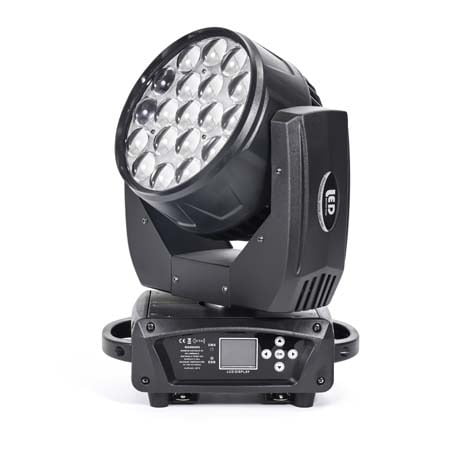
LED Moving Head Light

LED moving head light is a dynamic spotlight that can rotate on multiple axes to create sweeping beams, aerial effects, or spot focus on key areas like the DJ booth. These fixtures are programmable via DMX, allowing synced movements, strobe effects, and infinite color combinations. In a nightclub setting, they add movement and drama, energizing the dance floor and enhancing stage visuals.
LED PAR Light

LED PAR lights provide wide-angle, consistent washes of color that can be used to paint walls, ceilings, and the entire venue with mood lighting. Whether uplighting behind the bar or washing the VIP area with a soft purple hue, PARs offer excellent coverage, color mixing, and reliability. Slim PARs are ideal for tight club interiors.
LED Strobe Light

LED strobe lights deliver intense bursts of white or colored light, commonly used during beat drops or climactic moments. They contribute to the high-energy atmosphere by freezing motion and creating dramatic flashes that sync with music. Clubs with EDM or techno themes typically rely on strobes heavily for crowd stimulation.
LED Beam Light

LED beam lights project narrow, sharp beams that can slice through haze or fog. They’re used for aerial chases, intersecting effects above the dance floor, and building energy in synchronized light shows. Modern beam fixtures offer zoom, prism rotation, and gobo projection for additional texture.
LED Wall Washer

LED wall washers are used to illuminate walls or architectural features with vibrant, uniform color. These fixtures turn plain club interiors into immersive spaces by adding depth and style. RGBWA wall washers can be programmed for slow color fades or high-contrast flashes depending on the music.
LED Infinity Dance Floor
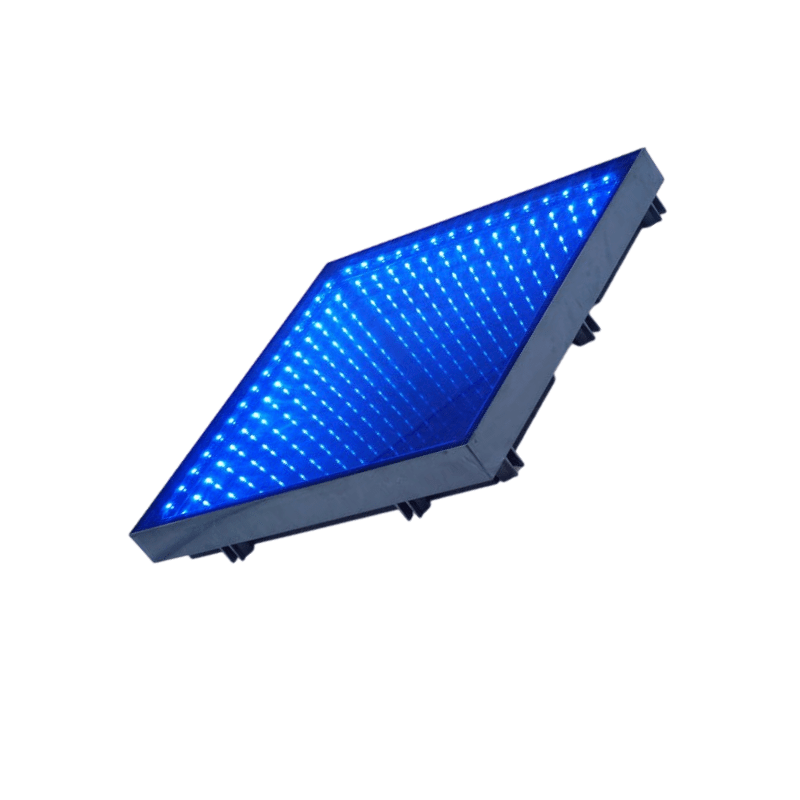
Though not a ceiling-mounted light fixture, the LED infinity dance floor is a visual centerpiece. Its mirror-based design creates endless tunnels of light that respond to movement or sound. It not only invites guests to dance but also becomes one of the most photographed elements in the club, boosting social media exposure and branding. It’s especially effective for high-end clubs aiming to create a luxury tech vibe.
4. Lighting Zones & Layouts in Nightclubs
Effective nightclub lighting isn’t just about selecting the right fixtures—it’s about how lighting is strategically zoned and layered throughout the space. Zoning enhances spatial function, visual flow, and energy, helping to elevate guest experience and reinforce the club’s brand identity. Here’s how to structure lighting zones in a modern nightclub:
Entrance & Reception Area

First impressions matter. The entrance should establish the tone—mysterious, luxurious, or futuristic. Use LED wall washers to highlight textured walls or logos, and incorporate warm white PAR lights to create a welcoming atmosphere. Add compact moving beam lights for dynamic motion to attract attention from outside.
Recommended Fixtures: LED PAR lights, Mini moving beams, Logo projection lights.
Main Dance Floor

The dance floor is the visual and emotional epicenter of the nightclub. It demands the most dynamic and high-impact lighting. Combine beam lights, strobe lights, moving heads, and optionally, an LED infinity dance floor to deliver a fully immersive experience. Overhead trusses can hold layered effects, while DMX controllers ensure rhythm-synced scenes.
Recommended Fixtures: LED Beam Lights, Bee Eye Wash, LED Strobes, LED Infinity Dance Floor, DMX Controller + Signal Amplifier.
DJ Booth & Stage

The DJ is the heartbeat of the night. This area should be strongly illuminated using profile spotlights or follow spots, ensuring they remain in visual focus. Add gobo projections and side/back moving beams to energize the booth and enhance the vibe during key drops.
Recommended Fixtures: Profile Spot Light, Gobo Moving Head, LED Beam, LED Pixel Bar.
Bar Area & VIP Lounge

These zones focus on ambiance and atmosphere. Soft RGB wall washers or low-intensity PAR cans help create a cozy, upscale mood. VIP lounges benefit from dimmable fixtures with tunable white or ambient colors to support a premium experience.
Recommended Fixtures: RGB Wall Washers, LED Strip Lights, Warm White PAR, Recessed Downlights.
Restrooms & Service Areas

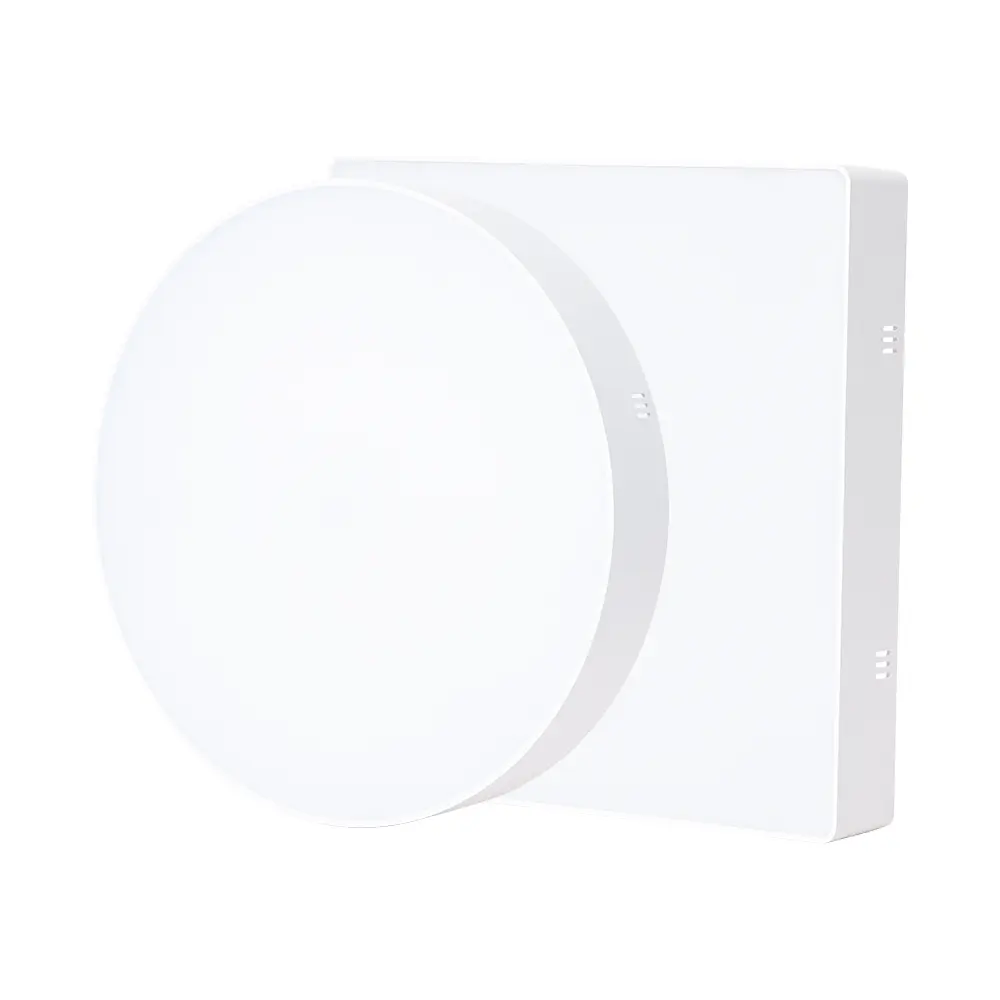
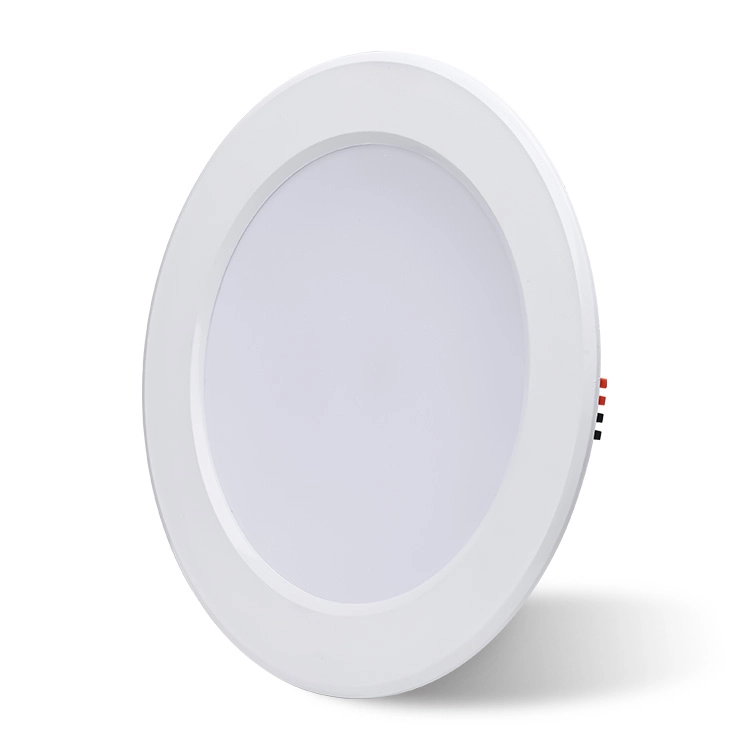
While not focal points, these areas still need functional, clean lighting. Use neutral white LED downlights for a consistent and energy-efficient solution.
Recommended Fixtures: LED Downlights, Motion Sensor Lights.
Smart zoning, combined with fixture layering and control precision, allows your nightclub to adapt lighting dynamically—whether it’s a chill weekday vibe or a sold-out weekend rave.
5. Lighting Control Systems and DMX Setup
No nightclub lighting design is complete without a well-planned control system. At the heart of most professional lighting environments lies DMX (Digital Multiplex)—the industry-standard protocol that allows precise control over every lighting fixture and effect in the venue.
What is DMX Control?

DMX512 is a digital communication protocol used to send signals from a lighting console to compatible devices like moving heads, strobes, and LED walls. It enables synchronized, real-time control over color, brightness, movement, and patterns across multiple fixtures.
By connecting fixtures in series using DMX cables, lighting designers can assign individual addresses to each light, allowing them to program intricate scenes and transitions. For nightclubs, this means full control over mood shifts, beat-sync lighting, and time-coded shows—all from a centralized console.
DMX Controllers: Hardware & Software Options

There are two primary types of DMX control systems:
Standalone DMX Controllers: These physical consoles (like 192-channel or 1024-channel units) are ideal for clubs with a fixed lighting rig. They’re reliable, intuitive, and perfect for live performances or manual scene triggering.
PC-Based DMX Software: These systems offer advanced programming capabilities, 3D visualizers, and are ideal for clubs that want highly customized, automated light shows. Popular platforms include Sunlite Suite, Daslight, and MA Lighting.
For high-end venues, hybrid solutions combine hardware faders with software interfaces for maximum control.
Wireless DMX & Signal Amplifiers

Larger or multi-room nightclubs may benefit from wireless DMX systems to reduce cabling complexity. Signal boosters or splitters are often added to maintain transmission integrity, especially in crowded RF environments.
Sound-to-Light and DMX Sync

Many DMX systems include sound-to-light functions, where fixtures respond in real-time to audio frequencies. While ideal for smaller clubs or simpler rigs, syncing via DMX offers far greater precision and consistency—especially when programmed to match DJ sets or live performers.
Tips for Club Lighting Integration
Use address planning to avoid conflicts across fixtures.
Install emergency override functions for safety compliance.
Always leave space in your DMX universe for future expansion.
Back up show files and program libraries regularly.
With the right DMX setup, your nightclub gains the flexibility to shift from ambient lounge vibes to full-scale EDM visuals at the push of a button—delivering immersive experiences that guests won’t forget.
6. Tips to Choose the Right Lighting Setup for Your Club
Designing an effective nightclub lighting system goes far beyond aesthetics—it’s about creating a memorable, immersive environment that aligns with your venue’s identity, audience expectations, and music style. Whether you’re running a small lounge or a multi-level superclub, the right setup can define your brand and boost your bottom line.
1. Understand Your Venue Layout

Begin with a detailed assessment of your club’s floor plan. Consider ceiling height, dance floor size, VIP areas, and bar placement. A compact venue may benefit more from wall-mounted wash lights and mirror balls, while a larger space allows for moving heads, truss-mounted beams, and LED panels.
Pro Tip: Use lighting zones—such as stage, bar, lounge, and entrance—to avoid over-lighting and create intentional contrasts.
2. Align Lighting Style with Your Music Genre

Different music styles demand different lighting moods:
EDM clubs benefit from fast-moving beam lights, lasers, and pixel mapping.
Hip-hop clubs work well with warm color palettes and rhythmic strobes.
House or techno venues lean on ambient LED bars and synchronized visualizers.
Matching your lighting effects to the energy of your music enhances crowd engagement and retention.
3. Prioritize Flexibility and Scalability

Choose fixtures that can adapt to various events and themes. Multi-function lights—like moving beam/spot/wash hybrids—offer long-term value and reduce the need for frequent upgrades. Modular systems also let you scale up for festivals or seasonal surges.
4. Invest in Professional Control Systems

A powerful lighting setup is only as good as its control. Invest in a reliable DMX system with presets for different sets, DJ handovers, and automated sequences. Consider software-based solutions for programmable lighting synced with BPM and visual cues.
5. Consider Maintenance and Durability

Clubs have high-traffic, high-heat environments. Look for LED fixtures with high IP ratings, cooling systems, and robust housing to minimize downtime. Opt for brands that offer spare parts, support, and warranty for peace of mind.
6. Consult Lighting Professionals

If budget allows, work with experienced lighting designers or system integrators who can evaluate your brand concept and recommend tailored solutions—especially for custom truss setups, advanced pixel control, or integrating LED dance floors with lighting.



 EN
EN  ES
ES  PT
PT  DE
DE  FR
FR  KO
KO  JA
JA  RU
RU  AR
AR  IT
IT  TR
TR  MS
MS  ID
ID  VI
VI  TH
TH  HI
HI  BN
BN  ZH
ZH