





1.Introduction: Why Lighting Setup Is Critical for Modern Nightclubs
In today’s competitive nightlife scene, lighting is no longer a background feature—it’s the heartbeat of the club experience. A thoughtfully planned lighting system doesn’t just illuminate the space; it sets the energy, shapes customer flow, and turns an ordinary venue into an immersive visual journey. Whether it’s a high-end rooftop club or a basement techno den, lighting is what transforms the atmosphere from mundane to magnetic.
For nightclub owners, DJs, and lighting designers, understanding the full lifecycle of a lighting system—from concept to control to final installation—is essential. This guide will walk you through each critical phase of setting up a nightclub lighting system, helping you make informed decisions that not only dazzle your guests but also maximize your long-term ROI.
2. Key Elements of a Nightclub Lighting System
Designing a nightclub lighting system starts with understanding its core components. Each element contributes uniquely to the visual energy and sensory impact of your space.
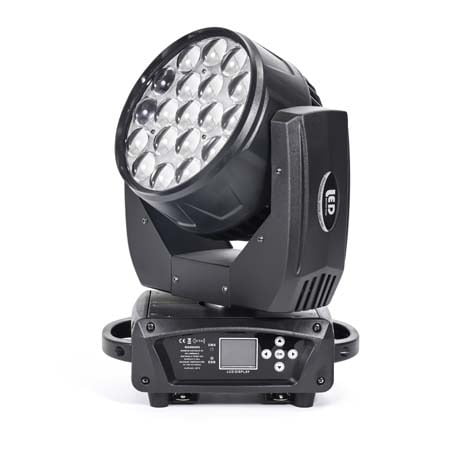
Moving Head Lights

These are the heart of any club lighting setup. Available in beam, spot, and wash variations, moving heads deliver sweeping motion, sharp beams, and vibrant color effects. Their ability to move in sync with the music helps generate atmosphere and intensity on the dance floor.
LED PAR Lights

Compact yet powerful, LED PAR lights are ideal for bathing walls, trusses, or ceiling grids in rich, saturated color. With RGBW capabilities and low power consumption, they’re a go-to choice for ambient and fill lighting across various nightclub zones.
Strobe Lights

Strobe lighting adds sudden bursts of white light to emphasize high-energy musical moments. When placed around the DJ booth or main dance area, they enhance the sense of rhythm and crowd response.
Effect Lights

From laser effects to flower lights or derby lights, effect lights introduce fun, fast-moving patterns and rotating shapes across the room. They’re especially effective for smaller dance areas or mid-air animation, helping to create a playful and immersive vibe.
Lighting Control Console

The control console (DMX controller or software) is the brain of the lighting system. It manages fixture addresses, cue sequences, dimming levels, and real-time adjustments during live events. Whether you’re using a hardware console or computer-based system, having professional control infrastructure ensures precision and flexibility.
LED Dance Floors (Optional)
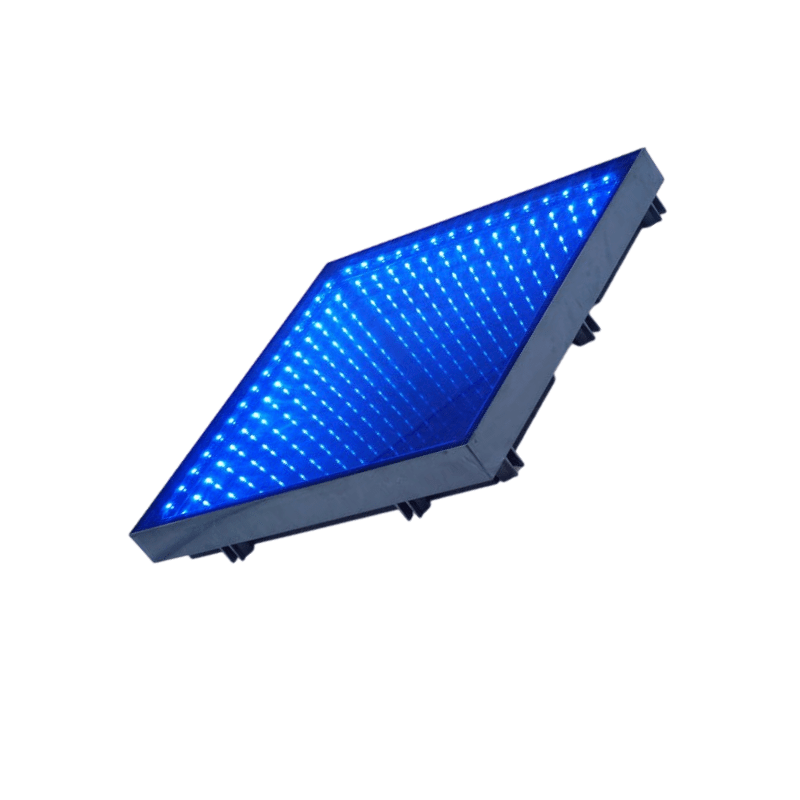
While not essential, LED dance floors are an increasingly popular feature in high-end venues. With programmable patterns and color synchronization, they add interactivity and visual drama to the central dance zone.
By strategically combining these lighting elements based on your club’s size, layout, and music style, you create an immersive environment that energizes guests and encourages repeat visits.
3. Pre-Design Considerations: Venue Layout & Purpose
Before installing any nightclub lighting system, a well-planned design strategy must begin with understanding your venue’s layout and purpose. Lighting should not just fill space—it must amplify atmosphere, movement, and mood in alignment with your brand and audience expectations.
Venue Size & Ceiling Height

The dimensions of your club directly impact lighting selection. Smaller venues benefit from compact LED PAR lights, mini moving heads, or beam spotlights with tighter angles. High ceilings allow for rigging larger moving heads or strobe arrays to create layered vertical effects. Be sure to measure throw distances and plan beam coverage accordingly.
Traffic Flow & Focal Areas

Identify key zones that influence guest experience—entrance, bar, dance floor, lounge, and stage. Each area should be lit with intention:
Use wash lights or pixel bars to outline dance floors.
Install effect lights near the bar for ambient attraction.
Highlight entrances with uplighting or soft spotlighting to draw people in.
Mapping traffic flow helps prevent over-illumination in less active areas while enhancing energy where engagement peaks.
Club Purpose: DJ vs Live Acts vs Lounge

The nature of your club influences your lighting priorities:
EDM/Techno Clubs: Prioritize synchronized moving beams, strobes, and LED pixel effects to match BPM-heavy sets.
Live Band Venues: Invest in flexible front lighting (wash + white) and backlighting to define performers.
Lounge/Chill Spaces: Use warm-toned LED strips, soft pars, and dimmed ambiance to promote longer guest dwell time.
Electrical Infrastructure

Lighting design must align with available power capacity and outlet placement. High-output fixtures require proper load balancing and circuit planning, especially when integrating DMX-controlled systems or multiple universes. Confirm if you’ll use 110V or 220V fixtures depending on regional power standards.
Safety & Heat Management

Avoid cluttered ceiling grids or obstructed walkways. Ensure fixtures have adequate spacing for ventilation and heat dissipation. Opt for low-heat LED systems in tighter venues or where safety and energy efficiency are priorities.
By aligning lighting planning with venue layout and functional goals, you ensure not only visual impact but also operational efficiency and long-term usability.
4. Lighting Design Plan: Zoning & Fixture Selection
An effective nightclub lighting system isn’t just about powerful lights—it’s about placing the right fixtures in the right zones to control flow, intensify mood, and maximize customer engagement. Strategic zoning ensures each area of the club delivers a unique but cohesive lighting experience.
Main Dance Floor

As the visual and emotional epicenter of the venue, the dance floor demands the most dynamic lighting. This zone should feature a combination of:
LED Beam Lights: For sharp, concentrated effects that cut through haze and create energy.
Strobe Lights: To enhance climactic musical drops and transitions.
Bee Eye Wash Lights: Providing movement and color wash with layered effects.
DMX Controller: For BPM-synced sequences, enabling precise control over strobe bursts, dimming, and movement.
Rigging should allow multidirectional projection from ceiling-mounted trusses or side wings to envelope the floor in immersive light.
DJ Booth & Stage Area

This is the club’s heartbeat, and it must visually stand out. Use:
Effect Lights: Including LED pixel bars, gobo moving heads, or mirror balls to energize the background.
Backlights and Side Beams: To create depth and silhouette effects behind the DJ.
COB PAR Lights: If live vocalists or MCs perform, providing strong and clean facial visibility.
DMX Console Integration: Allowing real-time adjustment from the DJ’s or technician’s station.
This area should have flexible programming options to suit different sets and atmospheres.
Entrance & Walkways

First impressions matter. Use lighting to welcome and direct guests:
Static LED PAR Lights or Wall Washers to highlight architecture or branding.
Uplights along walkways for visual guidance without overexposing the space.
Color temperature should match the club’s brand vibe—warm for luxury, cool for modern, or RGB loops for energetic impact.
Bar & Lounge Zones

Here, lighting should enhance mood and encourage guests to stay:
Slim PAR Lights or Mini Wall Washers: Provide indirect ambiance without blinding.
LED Strip Lights: Under counters or shelving to highlight drinks and décor.
Low-Intensity Moving Washes: Can add subtle motion and richness.
Consider dimmable control to adapt to different times of the night.
VIP & Private Areas

These sections require privacy and subtle exclusivity:
Adjustable Warm Wash Lights or DMX-controlled PARs with softened intensity.
Accent Lighting on seating and table edges.
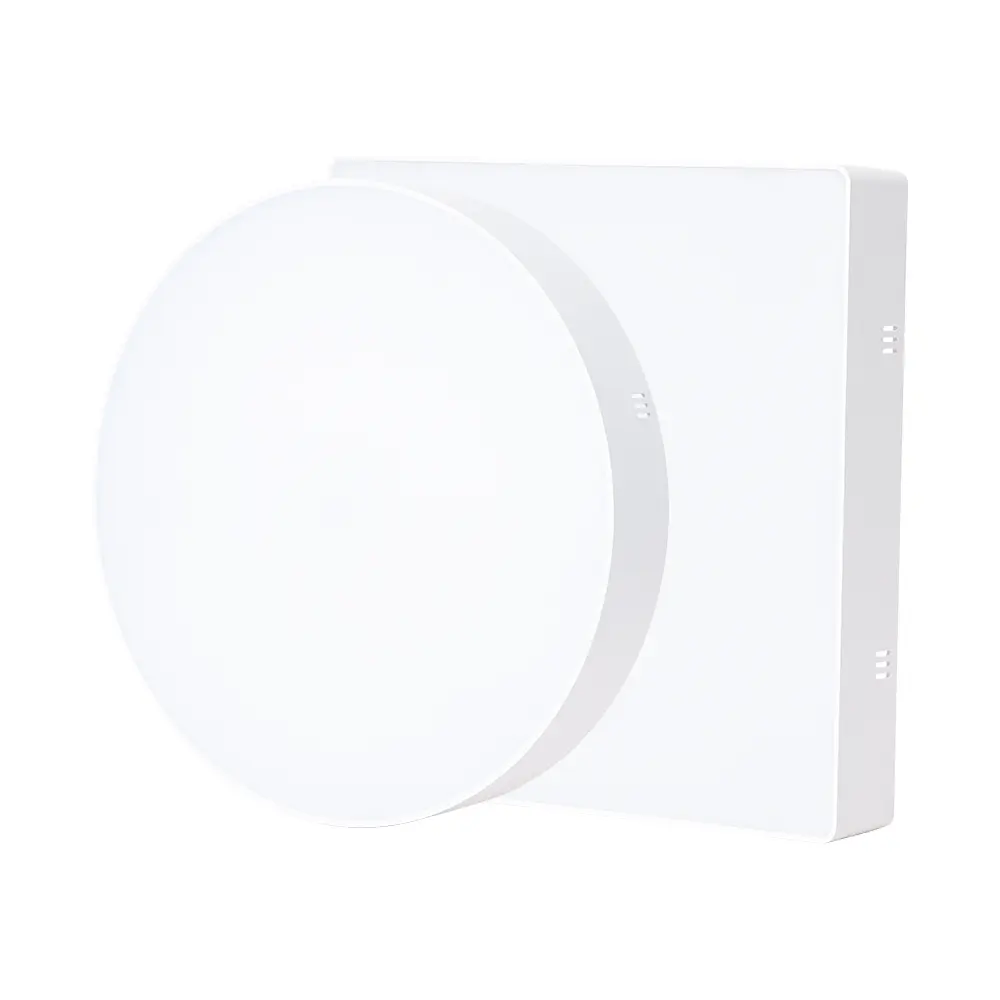
Optional LED Ceiling Panels for immersive, luxury effect.
Integration with touch or remote control systems ensures personalized ambiance for VIP clients.
Ceiling & Truss Layout

Plan ceiling fixtures with layered depth—front wash, top beam, rear fill. Use modular aluminum trusses to safely mount moving heads, spotlights, and special effects. Maintain enough spacing between fixtures for safe access and maintenance.
By dividing your club into lighting zones and selecting the appropriate fixtures for each, you create an immersive experience that supports both music and mood. Each lighting choice becomes a design statement, building brand identity and customer loyalty.
5. Choosing the Right Control System: DMX, RDM, or App?
Lighting control is the backbone of any well-designed nightclub system. Without the right controller, even the most advanced fixtures can’t deliver the impact your venue demands. Selecting between DMX, RDM, or app-based systems depends on your setup’s complexity, scalability, and technical resources.
DMX512: Industry Standard for Reliability and Precision

DMX (Digital Multiplex) is the most widely used protocol in professional stage and nightclub lighting. A single DMX controller can manage up to 512 channels, allowing precise control over intensity, color, strobe, tilt, and pan. It’s hardwired, minimizing signal interference—ideal for permanent nightclub installations.
Best for:
Clubs with complex zoning and layered fixtures
Synchronized effects with sound systems or visuals
On-site technicians who can handle programming
Factory Tip: Ensure your truss design and cabling plan accommodate signal repeaters or amplifiers if your setup exceeds standard DMX line length (typically 100 meters).
RDM: Remote Device Management for Smarter Clubs

RDM builds upon DMX by enabling two-way communication between controller and fixtures. It allows technicians to monitor fixture status, update firmware, and adjust addresses remotely—saving hours during setup and maintenance.
Best for:
Larger clubs with extensive fixture counts
Venues with frequent configuration changes
Long-term operation cost control
Factory Tip: Choose lighting brands that support both DMX and RDM protocols if you foresee upgrading your control infrastructure in future expansions.
App-Based Control: Simplicity Meets Limitations

For smaller clubs or bars, app-based controllers via Wi-Fi or Bluetooth offer an easy entry point. They provide basic control over scenes, colors, and sound-to-light functions—perfect for venues without a full-time technician.
Best for:
Compact venues or mobile DJs
Temporary pop-up setups
Budget-conscious installations
Limitations:
Unstable signal in crowded or metal-rich environments
Limited real-time customization
Harder to integrate with professional-grade fixtures
Factory Tip: Always confirm the compatibility of your lights with the app brand, and avoid using app-based control as your sole system in high-traffic commercial environments.
Whether you’re running a massive dance floor or an intimate lounge, choosing the right control protocol ensures that lighting enhances—not disrupts—the atmosphere. When in doubt, start with DMX and layer RDM or app control depending on your long-term goals and staffing capabilities.
6. Installation Requirements: Trusses, Power & Cabling
A successful nightclub lighting system relies on far more than just flashy fixtures. It depends on solid structural support, efficient power delivery, and clean signal management. Proper installation ensures not only visual impact, but also long-term safety, stability, and system reliability.
Trusses & Mounting Structures: Safety First, Flexibility Always

Trusses are the architectural skeleton of your lighting setup. Aluminum trusses provide the structural integrity needed to suspend moving heads, beam lights, strobe effects, and LED pixel bars in overhead or ground-supported configurations.
Installation Tips:
Use load-rated trusses with certified rigging and mounting hardware
Space trusses according to fixture weight distribution and beam angles
Secure all fixtures with safety cables to meet regulatory standards
Consider floor-mounted truss towers for venues with low ceilings
Manufacturer Recommendation: Always consult the fixture weight and center-of-gravity data provided in the product manual. Overloading a single truss point or ignoring balance will compromise both safety and effect coverage.
Power Supply: Load Planning and Safe Distribution

With fixtures consuming from 100W to 600W individually, the total electrical load can be substantial. Poor planning may result in tripped circuits, overheating, or inconsistent performance.
Best Practices:
Design a power circuit layout based on total wattage per zone
Use commercial-grade power cables (e.g., 3×2.5mm² for high-power loads)
Separate lighting and audio circuits to prevent interference
Install voltage protection and overload cutoffs
Manufacturer Recommendation: Request a power consumption report and fixture layout plan from your lighting supplier or installer to ensure safe load balancing across your venue.
DMX & Signal Cabling: Stability Over Distance
Control signal integrity is vital, especially when synchronizing complex scenes or pixel effects across multiple zones.
Best Practices:
Use dedicated, shielded DMX512 cables—not audio-grade XLR
Follow a daisy-chain topology with proper in/out ports
Add a 120Ω DMX terminator at the last fixture to prevent signal reflection
Use DMX splitters or amplifiers for setups exceeding 32 fixtures or 100m distance
Manufacturer Recommendation: For larger installations, ask your supplier for pre-addressed fixtures and labeled DMX maps. This reduces setup time and troubleshooting during installation.
7. Integration with Sound & Music Systems
In a nightclub environment, lighting and sound must move as one. A synchronized audio-visual experience is what truly defines a memorable night, whether on the dance floor or in the VIP lounge. Integration between lighting and music systems isn’t just a bonus—it’s an expectation for modern clubgoers.
Sound-to-Light: Basics of Beat-Driven Lighting

Many entry-level lighting fixtures feature built-in sound activation modes. These react to bass frequencies via onboard microphones. While sufficient for small venues or mobile DJs, this method lacks precision and synchronization.
Advanced Synchronization with DMX and Timecode

For clubs aiming at high-level immersive experiences, timecoded lighting shows or DMX-controlled sound-reactive programming is the standard.
Manufacturer Recommendation:
Invest in DMX consoles or software that allow for BPM-based triggering or timecode integration. Products like MA Lighting, Chamsys, or software like SoundSwitch or Lightjams can map lighting scenes to exact beats, drops, or transitions.
MIDI and Music Signal Integration

Modern lighting systems can respond to MIDI commands from DJ controllers or software (e.g., Serato, Rekordbox). This allows direct, real-time control of lighting effects based on the DJ’s live actions.
Tips for Effective Integration:
Use lighting software that supports audio waveform analysis and scripting
Isolate key frequency bands (e.g., kick, snare, vocal) to trigger specific lighting effects
Sync lighting transitions with music cues for emotional impact
Cable Management and Signal Routing

Avoid placing audio and lighting cables in close parallel runs to reduce interference. Use isolated cable paths or quality shielding materials.
Manufacturer Recommendation:
Coordinate with both your audio and lighting vendors early in the design stage to ensure the system supports your synchronization goals. Pre-testing lighting triggers during sound checks is essential to avoid live performance issues.
8. Maintenance, Testing & Troubleshooting Tips
Even the most high-end lighting systems will degrade without consistent maintenance. In the fast-paced environment of a nightclub—where heat, dust, and constant operation are the norm—proactive maintenance is not optional. It’s the difference between a seamless light show and a failed weekend.
Routine Maintenance Schedules
A well-structured maintenance routine ensures longer lifespan and optimal performance:
Weekly: Clean lenses and filters on high-traffic fixtures (e.g., dance floor beams, audience blinders).
Monthly: Inspect moving parts (e.g., yokes, motors) for wear and lubrication.
Quarterly: Reprogram and recalibrate DMX addresses and fixture positioning.
Annually: Replace aging lamps (for non-LED units) and conduct full system diagnostics.
Manufacturer Recommendation:
Refer to your lighting supplier’s maintenance checklist. Professional-grade fixtures from manufacturers like Vorlane are built with modular designs—making repairs faster and more cost-effective. Request a servicing guide during purchase.
Testing Before Live Operation
Before opening hours:
Run a full system test using DMX software or controller presets.
Verify signal flow across DMX universes and backup memory status.
Simulate blackout, strobe, and chase modes for all zones.
Automated test scripts in controllers like GrandMA or Avolites can streamline this process.
Common Troubleshooting Issues
Unresponsive Fixtures:
Check for broken DMX chain, incorrect address, or faulty power supply.Flickering or Delay:
Can be caused by excessive cable lengths or missing termination resistor. Ensure proper cabling and install terminators at the end of each DMX line.Overheating:
Happens when ventilation is insufficient or fan filters are clogged. Install additional cooling fans near trusses if needed.Color Mismatch in LED Fixtures:
Usually caused by firmware misalignment or failing RGBW chips. Run a firmware update if supported.
Documentation is Key
Maintain a digital log of:
Fixture model and serial number
Installation date
Maintenance records
Firmware/software versions
This makes warranty claims, upgrades, or replacements faster and more organized.
9. Budget Planning & Cost-Saving Strategies
Designing a nightclub lighting system involves not just creativity—but financial discipline. A well-balanced budget ensures visual impact without overspending, and smart allocation can stretch your investment significantly further.
Breakdown of Key Cost Categories
Lighting Fixtures – Typically take up 40–60% of your total budget. Premium moving heads, LED pixel bars, and strobe effects cost more upfront but offer longer service life and reduced energy consumption.
Control System – DMX consoles, signal amplifiers, and splitters can represent 10–15% of the investment. App-based systems are cheaper but less reliable for complex setups.
Trusses, Cables & Installation Hardware – Account for 10–20%, depending on venue size and ceiling structure.
Labor & Installation – Includes technician fees, electrical work, and mounting structures. This varies by region but often reaches 10–20%.
Maintenance & Contingency Fund – A 5–10% reserve for replacements, repairs, and future upgrades is essential.
Strategies to Control Costs Without Compromising Impact
Stage in Phases: Instead of installing everything at once, divide the project into zones—starting with dance floor and DJ booth.
Choose Versatile Fixtures: Multi-function lights (e.g., beam-wash hybrids or RGBW pars) reduce the need for separate units.
Opt for OEM Partnerships: Directly sourcing from trusted OEM manufacturers like Vorlane helps cut middleman markup, while allowing custom configurations suited to your club layout.
Use Simulation Tools: 3D visualizers like Capture or LightConverse can help you pre-plan and avoid wasteful purchases.
Don’t Underestimate Hidden Costs
Logistics (especially for international purchases)
Import taxes or customs clearance
Software licensing for control consoles
Voltage converters or adaptors in international setups
Pro Tip: ROI Isn’t Just Aesthetic
Investing in high-efficiency, programmable lighting improves guest experience, increases time spent at the venue, and boosts social media appeal—ultimately driving revenue.
10. FAQs About Nightclub Lighting System Setup
Q1: How many lighting fixtures do I need for my nightclub?
The number depends on venue size, ceiling height, and intended atmosphere. As a rule of thumb: 4–6 moving heads per 100 m², supplemented by wash lights, beam effects, and ambient LED strips. Zone-based planning helps optimize both coverage and cost.
Q2: Should I choose DMX, RDM, or app-based lighting control?
DMX is the industry standard for reliability and complexity. RDM is ideal if you want two-way feedback and remote diagnostics. App-based systems are beginner-friendly but better suited for smaller setups with fewer fixtures.
Q3: Can I install the system myself, or do I need professionals?
For simple setups, experienced teams may manage installation in-house. But for advanced rigs involving trusses, signal chaining, and synchronized effects, hiring certified lighting technicians ensures safety and optimal performance.
Q4: What’s the typical lifespan of nightclub lighting fixtures?
High-quality LED fixtures can last between 20,000–50,000 hours with proper care. Regular cleaning, correct voltage, and proper DMX programming significantly extend fixture life.
Q5: Is there a difference between indoor and outdoor lights for clubs?
Absolutely. Outdoor-rated fixtures (IP65+) are built to resist moisture and dust. If your club has open-air sections or rooftop bars, choose waterproof models to prevent early damage.
Q6: How do I ensure lighting syncs properly with music?
Use DMX consoles with audio-reactive presets or integrate MIDI/audio interfaces. For complex syncing, invest in timecode-based systems or lighting-to-DJ software bridges like SoundSwitch.
Q7: Can lighting systems be rented instead of bought?
Yes, especially for pop-up events or short-term launches. However, for permanent venues, owning your lighting system is more cost-effective in the long run and allows for greater customization.
Q8: What are some common mistakes to avoid?
Overlighting, under-powering the system, ignoring ventilation, neglecting fixture placement, and failing to plan for future upgrades are common pitfalls. Always prioritize scalability and serviceability.
Conclusion: Bringing Your Nightclub to Life with Light
The right lighting setup doesn’t just enhance your venue—it defines it. From the moment guests step inside, the lights orchestrate mood, motion, and memory. Whether it’s the hypnotic sweep of a moving beam across the dance floor, or a soft wash that pulses to the beat, every fixture and controller plays a role in shaping the experience your club delivers.
But exceptional lighting isn’t built on guesswork. It’s the result of thoughtful planning, reliable equipment, and a deep understanding of your audience’s expectations. Working with a trusted manufacturer gives you access to tailored guidance, technical support, and quality assurance that ensures every detail—from control protocols to fixture layout—is done right the first time.
If you’re ready to turn your vision into a reality, choose a partner who understands lighting design from both a creative and engineering perspective. The dance floor is waiting—make it shine.
Need help designing your nightclub lighting system? [Contact us now] for expert advice and a custom quote.



 EN
EN  ES
ES  PT
PT  DE
DE  FR
FR  KO
KO  JA
JA  RU
RU  AR
AR  IT
IT  TR
TR  MS
MS  ID
ID  VI
VI  TH
TH  HI
HI  BN
BN  ZH
ZH