





1. Introduction: Why Atmosphere Determines Club Success
When guests step into a nightclub, the first thing they notice isn’t the drink menu or the DJ—it’s the atmosphere. The mood of a venue is the deciding factor for whether someone stays for hours or leaves after one drink. And in modern club culture, lighting is the single most powerful tool to shape that atmosphere.
From the moment a guest enters, lighting guides their perception: it can make a space feel exciting, intimate, mysterious, or luxurious. The right lighting design turns an ordinary venue into a destination people talk about, post about, and come back to. On the other hand, poor lighting choices can break the vibe instantly—making the club look cheap, chaotic, or uninviting.
For club owners, lighting is more than decoration; it’s a business strategy. The right combination of fixtures, colors, and effects can increase dwell time, boost bar sales, and make your club the place everyone wants to be on the weekend. In short: great lighting equals a great experience—and great revenue.
2. Common Atmosphere Problems in Nightclubs
Many nightclub owners invest in expensive sound systems and interiors, only to find that the atmosphere still falls flat. In most cases, the issue comes down to lighting. Here are the most common problems we see—and how they hurt your club’s success:
Uneven Lighting & Dark Spots

Poor fixture placement creates shadowy, lifeless corners. Guests naturally avoid these areas, making the venue feel empty even when it’s full.
Lack of Sync with Music

If lighting effects don’t match the rhythm and energy of the music, it breaks the immersive flow. Guests won’t feel the emotional “high” that keeps them dancing.
Flat or Monotonous Color Schemes

Using the same color palette all night can make the space feel stale. Without color variation, there’s no visual “story” to keep guests engaged.
Overly Bright or Dim Lighting

Too much light kills the mood, making the space feel sterile. Too little light makes guests uncomfortable, unable to socialize or see their drinks.
Outdated Fixtures & Control Systems

Old lighting tech can’t produce the dynamic effects today’s club-goers expect, hurting your club’s image and social media appeal.
Each of these problems can be solved with a thoughtful lighting strategy—something we’ll explore in the upcoming sections, along with fixture recommendations tailored for nightclubs.
3. The Role of Lighting in Creating Immersive Club Experiences
A nightclub’s lighting isn’t just about visibility—it’s about emotional engineering. The most successful clubs know how to use light to manipulate mood, create anticipation, and keep energy levels high throughout the night.
Mood Setting from the Entrance

The journey begins before guests even step inside. Exterior lighting, entrance beams, and subtle accent lights prepare them for what’s inside. Once they cross the threshold, lighting transitions can create a sense of “leaving the outside world behind.
Guiding Movement and Energy

Inside, lighting should lead guests to the dance floor, highlight the DJ booth, and subtly encourage movement. Dynamic effects, like sweeping beams or pulsing strobes, draw people into high-energy zones, while softer washes in lounge areas signal a place to rest.
Building Visual Drama with Timing

One of the most powerful ways to immerse guests is through synchronized lighting changes. When the beat drops, a perfectly timed blackout followed by a burst of color or laser effects can create an adrenaline rush that guests will remember for weeks.
Encouraging Social Sharing

Today’s nightlife marketing lives on social media. Eye-catching visuals—like LED walls, moving heads, or even interactive dance floors—make guests want to take photos and videos. Each shared post becomes free advertising for your club.
Creating Layers of Experience

The best clubs offer more than one “scene” in the same night. Lighting can be used to shift the mood gradually, making each hour feel different and keeping guests engaged. For example, starting with warm ambient washes early in the evening, then transitioning to high-energy beams and lasers during peak hours.
In short, lighting is the invisible hand that shapes the club experience. When done right, it doesn’t just make a space look good—it creates memories that keep people coming back.
4. Product Recommendations: Lighting Fixtures That Define the Club Experience
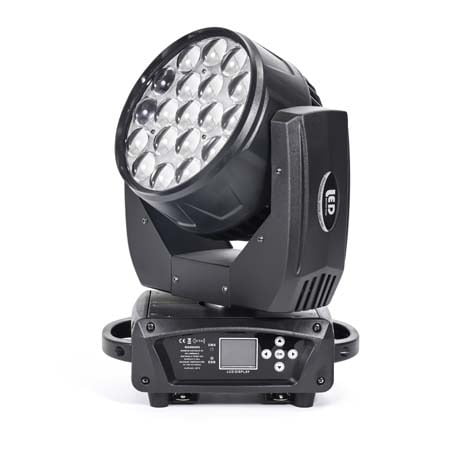
Moving Head Light – Dynamic Effects for Dance Floor Energy

Moving head lights bring high-energy movement and visual variety to the dance floor. They can project beams, patterns, and colors across the room, creating constantly changing visuals that match the music’s tempo. Ideal for peak hours when you want to keep energy levels high and the crowd engaged.
Beam Light – Focused Punch for Dramatic Moments

Beam lights deliver sharp, narrow beams that cut through smoke and haze, creating a high-impact look perfect for drop moments in DJ sets. They excel at creating a “festival” feel even in smaller club spaces, giving a sense of scale and power to your lighting design.
Laser Light – Immersive Visual Atmosphere

Laser lights transform the air into a 3D canvas, filling the club with precise beams and animated graphics. When combined with haze or smoke effects, lasers create an unforgettable immersive experience that guests will want to capture and share online.
LED Dance Floor – Interactive Visual Centerpiece

An LED dance floor is more than just a surface—it’s an attraction that reacts to movement, music, or programmed visuals. It draws people in, keeps them dancing longer, and creates endless opportunities for social media content. Perfect for clubs that want to stand out in a competitive nightlife scene.
Effect Light – Special FX for Unforgettable Moments

Effect lights add unique visual surprises such as strobes, pixel chases, or simulated flames, instantly shifting the mood and making the music’s highlights more impactful. They work best during key transitions or DJ drops, amplifying excitement and creating a sense of spectacle.
Smoke Machine – Enhancing Light Beams and Atmosphere

A smoke machine is essential for making beams, lasers, and spotlights pop. The haze catches and amplifies light, creating depth and dimension in the air. It also helps make smaller clubs feel larger and more atmospheric.
5. Lighting Zones & Placement Strategy
A successful nightclub lighting design is not just about the fixtures you choose—it’s about placing them strategically to maximize visual impact and audience engagement. Here’s how to zone your lighting for the best results:
Dance Floor Zone – High-Energy Centerpiece

The dance floor is the heartbeat of your nightclub. This is where moving head lights and beam lights should dominate, creating dynamic sweeps, bursts, and patterns that follow the beat. Place moving heads on overhead trusses or corner mounts to achieve full coverage. Add a LED dance floor as the central feature to keep guests immersed and entertained.
DJ Booth Zone – Command Center Illumination

Lighting around the DJ booth should focus on visibility and stage presence. Use effect lights and laser lights to highlight the DJ and synchronize with the music’s key moments. Adding a subtle haze from a smoke machine here can make light rays look sharper and more dramatic.
Audience Interaction Zone – Immersive Side Lighting

Side walls, pillars, or balcony areas can feature laser lights and effect lights to create unexpected visuals and keep guests engaged even when they step away from the dance floor. These lights should be angled to sweep across the crowd, encouraging interaction and photo opportunities.
Atmosphere Enhancement Zone – Depth & Texture

For lounges, seating areas, or VIP sections, consider low-intensity beam lights or softly animated effect lights to maintain ambiance without overpowering conversation. Gentle haze from a smoke machine can also help unify the look across different club areas.
By combining fixture types with smart placement, you can create a layered lighting experience that not only energizes the dance floor but also keeps every corner of your nightclub visually alive.
6. Lighting + Interior Style Integration
Lighting should never feel like an afterthought—it must work hand-in-hand with your nightclub’s interior design to create a unified, memorable atmosphere. The right integration ensures that your lights not only enhance the music but also amplify your venue’s brand identity.
Match Colors to Interior Themes
If your club features dark, industrial elements, pair beam lights and laser lights in deep blues and purples to create a sleek, modern vibe. For more luxurious interiors with gold accents or plush seating, warm Par lights and slow-moving effect lights can bring out the richness of the textures.
Highlight Architectural Features
Use moving head lights and effect lights to emphasize unique design elements like archways, columns, or stage backdrops. This not only adds depth to the space but also gives guests more visually interesting photo opportunities.
Dynamic Flooring Integration
A LED dance floor can act as a visual anchor, especially when synchronized with overhead laser lights or beam lights. The interplay between vertical and horizontal lighting creates a sense of immersion, making guests feel part of a larger, moving spectacle.
Enhance with Atmospheric Effects
Integrating haze from a smoke machine can soften harsh edges, allowing lights to blend naturally into the club’s décor. This is particularly effective in small or low-ceiling spaces, where light beams need definition without overwhelming the environment.
By aligning lighting design with your interior aesthetic, you not only elevate the ambiance but also create a consistent brand experience that keeps guests coming back—not just for the music, but for the unforgettable atmosphere.
7. Interactive Lighting Scenes for Guest Engagement
Modern nightclubs are no longer just about passive entertainment—guests expect to be part of the experience. Interactive lighting scenes allow your audience to feel involved in the show, encouraging them to stay longer, spend more, and share their experience online.
Moving Head Light – Live Music Synchronization

Use moving head lights programmed to follow the beat of live DJs or performers. When these lights sweep across the dance floor in sync with the bass drop, it creates a powerful emotional connection between the audience and the music.
Laser Light – Crowd-Responsive Color Changes

Integrate laser lights with a crowd noise sensor or manual DJ control to shift colors and patterns based on audience energy. For example, a sudden shift from green to red during peak excitement can instantly elevate adrenaline levels.
LED Dance Floor – Step-Triggered Animations
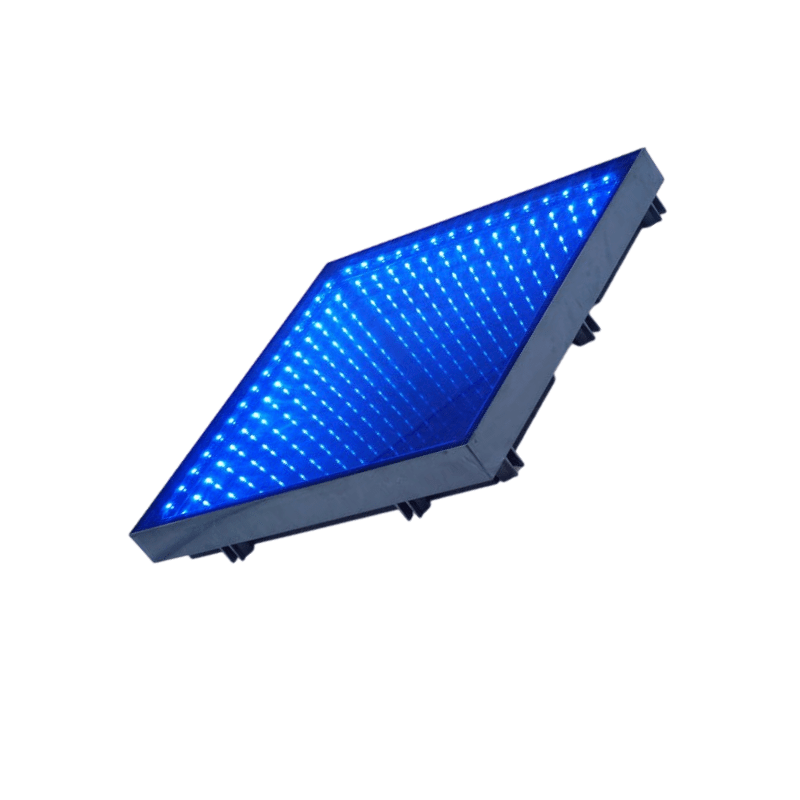
A LED dance floor can respond to guest movements, lighting up with each step or changing patterns when groups dance together. This adds a playful, interactive element that encourages participation and keeps the floor busy.
Effect Smoke Machine – Dramatic Scene Transitions
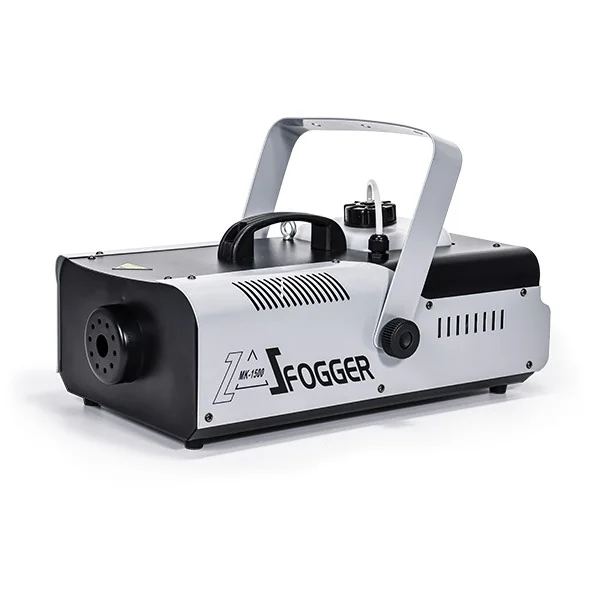
Deploy effect smoke machines at key moments to create suspense before a beat drop or transition between songs. The haze can catch beams and lasers in mid-air, amplifying the visual drama while immersing guests in a cinematic moment.
By blending these interactive lighting elements into your nightclub setup, you create a two-way engagement where the crowd influences the show, and the show influences the crowd—a recipe for an unforgettable nightlife experience.
8. Avoiding the Most Common Lighting Mistakes
In the fast-paced world of nightlife, lighting can either elevate the atmosphere or ruin it entirely. Avoiding these mistakes ensures your nightclub delivers an unforgettable experience night after night.
Overusing Bright, Harsh Lighting
Constantly flooding the dance floor or seating areas with high-intensity lights can fatigue guests’ eyes and kill the intimate vibe. Balance intensity with softer wash lights or ambient glows during less energetic tracks.
Poor Color Coordination
Mixing too many unrelated colors creates visual chaos. Instead, use a controlled palette that matches your club’s branding or the night’s theme to keep the mood consistent and immersive.
Static or Repetitive Lighting Patterns
Even the most high-end fixtures lose impact if they repeat the same moves all night. Dynamic programming with scene changes aligned to music transitions keeps guests visually engaged.
Ignoring the Venue’s Layout
Installing lights without considering sightlines or the flow of guests often leads to blind spots or wasted energy. Tailor fixture placement to highlight focal points like the DJ booth, dance floor, and VIP areas.
Overuse of Special Effects
Fog, strobes, and lasers are powerful tools—but too much can overwhelm guests and disrupt the party flow. Use them as accents for key moments to create impact without causing discomfort.
Neglecting Maintenance
Flickering LEDs, dusty lenses, or uncalibrated moving heads can instantly cheapen the experience. Regular testing and upkeep are essential for consistent, professional-quality visuals.
9. Measuring Lighting Impact on Guest Experience
For nightclub owners, lighting isn’t just decoration—it’s a strategic investment. To know if your setup truly works, you need measurable indicators that connect light design to guest satisfaction and business results.
Guest Feedback & Social Media Engagement
Listen to what your audience says. Positive mentions of the club’s “vibe,” “ambience,” or “lighting” in reviews and posts mean your design is resonating. Visual appeal also drives more photos and videos shared online, boosting your organic reach.
Time Spent on the Dance Floor
One of the most reliable signs of effective lighting is crowd activity. If your dance floor stays busy deep into the night, your lighting is energizing guests instead of driving them away.
Sales Data Correlation
Well-timed lighting changes during peak moments can increase bar sales. Compare sales patterns before and after lighting upgrades to track tangible impact on revenue.
Repeat Visits & VIP Bookings
Guests who connect with your venue’s atmosphere are more likely to return. Strong, mood-enhancing lighting encourages repeat customers and can drive higher-value VIP table reservations.
Event Success Metrics
For themed nights or special events, review attendance, guest surveys, and post-event buzz. A visually immersive lighting setup makes events more memorable, improving long-term brand loyalty.
Internal Observation & Staff Input
Your DJs, bartenders, and floor staff see firsthand how lighting affects crowd energy. Use their feedback to adjust fixture intensity, color schemes, or effect timing for better results.
By tracking these metrics, you can treat lighting as a performance asset—not just an expense—aligning visual impact with guest engagement and profitability.
10. FAQs About Nightclub Lighting Design
Q1: How important is lighting for a nightclub’s success?
Lighting plays a decisive role in setting the venue’s mood, enhancing guest experience, and influencing how long customers stay. It also affects how people perceive the brand, making it a critical factor for both atmosphere and business performance.
Q2: What is the best lighting setup for small vs. large nightclubs?
Small clubs often benefit from compact yet versatile fixtures like moving head lights, PAR lights, and effect lights, paired with a simple DMX control system. Large clubs may require zoned lighting with advanced programming, laser effects, and LED dance floors to create immersive experiences.
Q3: Should I use automated lighting control?
Yes. Automated or DMX-programmed lighting allows for smooth transitions, synchronized effects with music, and efficient operation during busy nights, reducing the need for manual adjustments.
Q4: Can lighting design influence guest spending?
Absolutely. Strategic lighting can increase dwell time, encourage dancing, and make guests feel more comfortable—often leading to higher bar sales and more VIP bookings.
Q5: How often should nightclub lighting be upgraded or maintained?
Most fixtures last years with proper care, but maintenance such as cleaning lenses, checking cabling, and updating control software should be done regularly. Upgrades every 3–5 years keep the club’s look fresh and competitive.
Q6: What mistakes should be avoided in nightclub lighting design?
Common mistakes include overly bright or static lighting, mismatched colors, ignoring the dance floor as the focal point, and failing to integrate lighting with music for dynamic effects.
11. Conclusion: Lighting as the Core of Nightlife Success
A nightclub is more than just a place to dance—it’s an immersive experience, and lighting is the invisible hand shaping that journey. The right lighting design transforms an ordinary night into a story guests want to relive and share. It directs energy to the dance floor, highlights your venue’s unique style, and syncs perfectly with the beats to keep the crowd moving.
For club owners, this isn’t just about aesthetics—it’s a strategic business tool. Well-planned lighting increases guest engagement, enhances brand identity, and encourages longer stays, which directly impacts revenue. In today’s competitive nightlife market, an outdated or poorly executed lighting setup can make your venue fade into the background, while a dynamic, professionally designed system can put it on the map.
If you want lighting that doesn’t just shine but sells, partner with a manufacturer who understands the nightlife industry inside out. From moving head lights to effect lights, laser systems, and LED dance floors, we provide end-to-end solutions tailored to your space and audience. Let’s create lighting that keeps your club packed, your guests talking, and your business thriving.
Contact us today to design your next unforgettable night.



 EN
EN  ES
ES  PT
PT  DE
DE  FR
FR  KO
KO  JA
JA  RU
RU  AR
AR  IT
IT  TR
TR  MS
MS  ID
ID  VI
VI  TH
TH  HI
HI  BN
BN  ZH
ZH