





1. Introduction: Why Fog and Smoke Machines Matter On Stage
In the world of live performance, atmosphere is everything. Whether it’s a concert, theater show, nightclub set, or corporate event, the audience’s emotional connection depends heavily on visual impact. Fog machines and smoke machines have become essential tools for stage designers, creating depth, enhancing lighting effects, and adding a sense of drama that transforms an ordinary scene into something unforgettable.
When a stage smoke machine releases a cloud of mist, it interacts with beams, lasers, and spotlights to create visible shafts of light and a three-dimensional visual environment. This effect not only adds visual intensity but also helps define focal points, guide audience attention, and synchronize visuals with music.
From fog machine on stage moments in rock concerts to subtle haze in a theater production, these devices are versatile, adaptable, and—when used correctly—can elevate the entire production value. In this guide, we’ll cover the different types of machines, how they work, their best applications, and how to integrate them seamlessly into your lighting design.
2. Definition & How They Work
A fog machine or smoke machine is a special effects device designed to produce a controlled cloud of vapor or smoke to enhance visual impact on stage. While the terms are often used interchangeably, in professional stage production they can refer to slightly different effects:
Fog usually describes a denser, more visible cloud used for dramatic emphasis.
Haze (a lighter form of fog) is used to make light beams visible without overwhelming the space.
Working Principle: Most stage fog machines operate by heating a specially formulated fog fluid—usually a water and glycol or glycerin mix—until it vaporizes. The vapor is then expelled through a nozzle with the help of an internal pump and fan, dispersing it across the stage. In contrast, CO₂ jet machines and dry ice fog machines rely on rapid cooling rather than heating to produce low-lying fog effects.
Key Components of a Typical Fog Machine Stage Setup:
Heating element – vaporizes the fog fluid.
Pump system – moves the fluid into the heater.
Nozzle/fan – expels and distributes the fog or smoke.
Control interface – manual switch, remote control, or DMX integration.
When properly integrated into a performance, fog machine on stage effects can:
Increase the visibility of lighting beams and patterns.
Add mood and atmosphere to a scene.
Create dramatic transitions or visual cues for the audience.
3. Types of Stage Fog & Smoke Machines + Recommended Options
Standard Fog Machine – Versatile Choice for Stage and Events
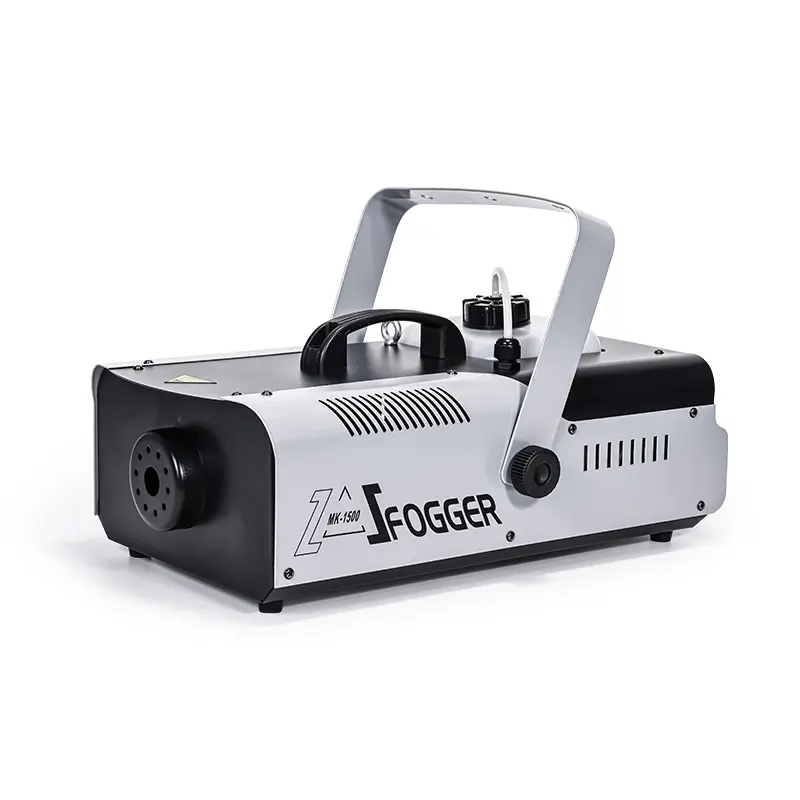
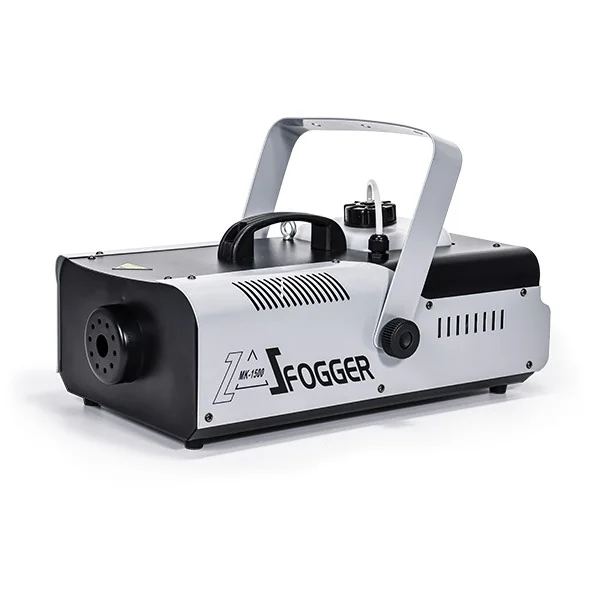
A standard fog machine is the most common type used in concerts, theaters, DJ shows, and private events. It produces a dense cloud of vapor that fills the space, enhancing the visibility of beams, lasers, and spotlights. Ideal for fog machine stage setups where consistent coverage is needed. Compact models are portable for mobile DJs, while high-output versions suit large venues and touring productions.
Low-Lying Fog Machine – Perfect for Theatrical & Romantic Effects

The low-lying fog machine creates a thick layer of fog that stays close to the ground, often referred to as the “dancing on clouds” effect. It’s popular for weddings, theater productions, and special stage moments that require a magical atmosphere. These machines typically use ice or cooling technology to keep fog from rising, making them ideal for scenes that demand visual elegance without obstructing upper-stage visuals.
Haze Machine – Enhancing Light Beams Without Obscuring the Stage

A haze machine produces a fine mist rather than thick clouds, making it perfect for long-term atmospheric effects. Haze subtly fills the air, allowing moving heads, lasers, and beam lights to be fully visible without distracting the audience. This type of stage smoke machine is favored in concerts, nightclubs, and television productions where lighting is a primary visual element.
CO₂ Jet Smoke Machine – High-Energy Visual Impact

The CO₂ jet smoke machine delivers an instant, powerful blast of cold white smoke that dissipates quickly. It’s a go-to choice for DJs, nightclubs, and music festivals to punctuate musical drops or crowd interaction moments. Its ability to produce high-energy effects in seconds makes it one of the most exciting tools in live performance.
Dry Ice Fog Machine – Slow-Moving, Dramatic Ground Fog

The dry ice fog machine creates thick, low-lying fog using solid CO₂ (dry ice) and hot water. It’s known for producing the slow, rolling fog effect often seen in theatrical plays, opera performances, and movie scenes. While it requires careful handling and more preparation, the visual payoff is unmatched for dramatic, high-production-value moments.
4. Comparison: Fog, Low Fog, Dry Ice & CO₂ Machines
Choosing the right stage smoke machine depends on the effect you want, the venue size, and the event type. Here’s a side-by-side comparison of the most popular options:
| Machine Type | Visual Effect | Best For | Pros | Cons |
|---|---|---|---|---|
| Standard Fog Machine | Dense, mid-air cloud | Concerts, theaters, general stage use | Affordable, versatile, widely available | Can obscure stage if overused |
| Low-Lying Fog Machine | Ground-hugging “cloud” effect | Weddings, theater, romantic scenes | Creates magical atmosphere, doesn’t block upper lighting | Requires cooling method (ice or refrigeration) |
| Haze Machine | Light, even mist | Clubs, concerts, long-duration effects | Enhances beams, subtle, long-lasting | Less dramatic for big visual moments |
| CO₂ Jet Smoke Machine | Instant high-power vertical burst | Nightclubs, festivals, DJ performances | High-energy impact, quick dispersion | Requires CO₂ supply, louder operation |
| Dry Ice Fog Machine | Slow, rolling ground fog | Theater, opera, special stage effects | Thick, immersive, dramatic | Needs dry ice, limited continuous operation time |
Pros & Cons Summary
Standard Fog Machine: Best all-rounder for stage effects; keep an eye on density control.
Low-Lying Fog Machine: Ideal for moments where elegance is key; requires extra preparation.
Haze Machine: Perfect for highlighting lighting design without stealing focus; minimal maintenance.
CO₂ Jet Smoke Machine: Delivers excitement in seconds; needs more logistical planning.
Dry Ice Fog Machine: Offers unmatched theatrical impact; less portable and requires safety handling.
By understanding the differences between these machines, event planners and stage designers can make informed decisions that align with their creative vision and practical needs.
5. Popular Use Cases
Fog machines and smoke machines are among the most versatile tools in stage design, with applications ranging from subtle atmospheric enhancement to high-energy visual effects. Here are the most common scenarios:
Concerts & Music Festivals

A fog machine on stage amplifies the impact of beam and laser lights, making them visible to the entire crowd. CO₂ jet machines are often used during beat drops for instant audience excitement and to match the energy of live music.
Theater & Musicals

Stage smoke machines help create atmosphere and set the scene—whether it’s a misty forest or a dramatic battle. Low-lying fog adds depth and drama without blocking the audience’s view of the performers.
Weddings & Romantic Events

Low-lying fog machines produce the “dancing on clouds” effect, perfect for first dances. When paired with warm, soft lighting, it delivers a magical, fairytale-like ambiance.
Nightclubs & DJ Performances

Haze machines and CO₂ jets synchronize with moving heads and strobe lights, creating a fully immersive environment that keeps guests energized and engaged.
Corporate Events & Brand Launches

Controlled bursts from a smoke machine can be timed with product reveals or stage entrances, delivering a dramatic opening moment that captures attention instantly.
6. Lighting Integration with Fog & Smoke Machines
The magic of a fog machine stage setup truly comes alive when paired with the right lighting. Fog and haze particles in the air catch and reflect light, making beams, patterns, and colors more visible and dynamic. Here’s how to maximize the effect:
Beam Lights + Haze Machine

A haze machine produces a fine mist that makes narrow beam lights stand out, perfect for concerts and nightclubs where lighting design is a major attraction.
Laser Lights + Fog Machine

Fog provides the density needed for lasers to create vivid shapes in the air. This pairing is ideal for festivals, raves, and high-energy club nights.
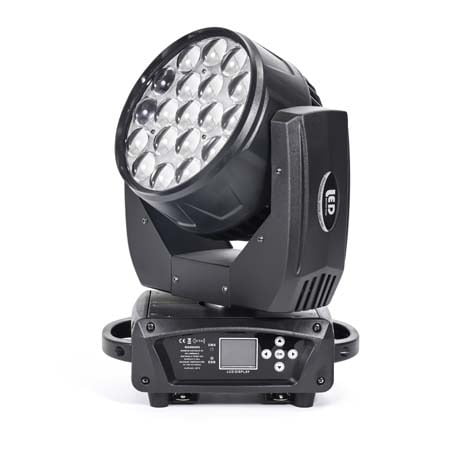
Moving Head Lights + Low-Lying Fog

Low fog covers the stage floor while moving heads sweep above, adding layered visual depth. A strong choice for theatrical productions and wedding stages.
Effect Lights + CO₂ Jets

Coordinating CO₂ bursts with strobe or pixel-chasing effects amplifies musical peaks and heightens audience excitement during interactive moments.
Safety & Balance Tips

Avoid over-fogging to prevent discomfort and ensure visibility. Maintain ventilation while retaining enough haze for light effects, and use DMX control to synchronize fog output with lighting cues for precision.
7. Key Buying Considerations for Fog & Smoke Machines
Choosing the right fog machine or smoke machine goes beyond wattage or size. Here’s what event planners, lighting designers, and venue owners should evaluate before purchasing:
1. Type of Effect Needed
Atmospheric haze: Go for haze machines to create light-enhancing mist without heavy smoke buildup.
Ground-hugging fog: Choose a low fog machine or dry ice fogger for cloud-floor effects at weddings and performances.
Impact bursts: For high-energy bursts, CO₂ jet machines deliver rapid fog with dramatic visual punch.
2. Venue Size & Coverage
A 1500W smoke machine may be perfect for small clubs, while large festivals may require multiple 3000W fog machines with DMX control and large tanks for extended coverage.
3. Control System Compatibility
Ensure your machine supports DMX512 or wireless remote systems to sync fog output with lighting and music cues.
For touring or professional applications, a programmable interface is essential.
4. Fluid Type & Consumption
Choose machines that are compatible with high-quality fog fluid, which produces clean vapor and leaves no residue.
Check consumption rate (ml/min) to understand operating cost and downtime between refills.
5. Portability & Build
For mobile DJs or event companies, lightweight machines with handles and quick setup are vital.
Rugged metal casings and thermal protection are must-haves for frequent use.
8. Maintenance & Safety Tips
Proper maintenance and safety precautions ensure your fog or smoke machine lasts longer, performs better, and meets event compliance standards.
Routine Cleaning
Regularly flush the internal pipes using distilled water or cleaning solution to prevent clogging from leftover fluid.
After high-usage events, inspect nozzles and filters for buildup.
Use Only Recommended Fluids
Always use manufacturer-recommended fog fluid or haze liquid to avoid internal damage.
Never mix fluids or use low-grade liquids, which can produce harmful residues or fail safety tests.
Safe Operating Environment
Place machines on stable, elevated surfaces for better dispersion and to avoid accidents.
Ensure adequate ventilation in indoor venues—especially with heavy fog setups—to prevent discomfort or breathing issues.
Electrical Safety
Use grounded power outlets and avoid running the machine on low-voltage lines.
Allow the unit to fully cool down before transport or refilling to avoid burns and fluid spillage.
Storage Tips
Store in dry, cool locations. Always drain fluid tanks before storage to avoid corrosion or mold.
With proper care, your fog or smoke machine can remain a reliable part of your stage production toolkit for years.
9. Common Mistakes to Avoid
Even the most advanced fog or smoke machines can fail to deliver the desired effect if used improperly. To ensure a smooth and professional performance, avoid these common pitfalls:
Choosing the Wrong Machine Type for the Venue
One of the biggest mistakes is using the wrong type of fog or smoke machine for the space. A high-output smoke machine may overwhelm a small indoor venue, while a compact fogger might be too weak for a large concert stage. Match the machine to the venue size, ceiling height, and airflow to ensure appropriate coverage and safety.
Ignoring Ventilation and Airflow
Fog effects can quickly dissipate or behave unpredictably in poorly ventilated areas or venues with uncontrolled airflow (e.g., strong AC vents or open doors). Conduct pre-show airflow tests and adjust fan positioning or smoke machine placement accordingly.
Overusing Fog or Haze
Excessive fog can obstruct audience views, trigger alarms, or cause breathing discomfort. Always check the density settings, start with lower output, and gradually increase based on need. For indoor venues, use haze sparingly to maintain visibility and comfort.
Neglecting Fluid Compatibility
Using the wrong fluid for your machine can clog nozzles, damage internal parts, or void warranties. Always use the manufacturer-recommended fog/haze fluid, and never substitute with DIY or unapproved solutions.
Skipping Routine Maintenance
Residue buildup is common in fog machines, especially when using them frequently. Failing to clean tanks, nozzles, and internal tubing can lead to clogs or machine failure mid-performance. Schedule regular maintenance and fluid flushes based on usage volume.
Not Syncing with Lighting
Fog is meant to enhance, not distract. Using fog without properly synchronizing it with lighting effects often results in underwhelming visuals. Coordinate with your lighting designer or operator to time fog bursts with specific lighting cues or song transitions.
Forgetting Safety Considerations
Always consider fire alarms, visibility, and emergency lighting when planning fog use. Some venues prohibit certain fog types due to sensor interference—check with venue management beforehand. Also, ensure the area near the machine remains clear to prevent tripping or contact with heated elements.
10. Future Trends & Technological Innovations
As stage productions become increasingly immersive and technology-driven, fog and smoke machines are evolving beyond simple atmospheric effects. Here’s a look at the trends and innovations shaping the future of stage fog technology:
Intelligent DMX & App-Controlled Systems
Next-gen fog machines are now being integrated with DMX512 protocols, wireless remotes, and even mobile apps that allow precise control over timing, volume, and density. This gives lighting designers real-time flexibility to match fog effects with beat drops, scene changes, or live cues—perfect for concerts, DJ events, and synchronized shows.
Eco-Friendly & Water-Based Fluids
Environmental concerns are prompting a shift toward non-toxic, biodegradable, and water-based fluids that reduce residue and minimize health risks. These fluids not only enhance safety for performers and audiences but also prolong machine life by reducing internal buildup.
CO₂ Hybrid Machines
Combining the instant blast of CO₂ jets with low-lying fog output, hybrid machines are gaining popularity in high-energy performances like festivals, EDM events, and theatrical finales. These dual-function units offer impact and ambiance in a single footprint, saving space and setup time.
Built-in Sensing & Safety Features
Modern machines are being designed with smart sensors that detect overheating, fluid levels, and air pressure. These features help prevent accidental damage or malfunction, especially in long shows or installations where constant human supervision isn’t feasible.
Integration with Visual Media
Fog effects are increasingly being synchronized with projection mapping, LED walls, and holographic visuals. By adding a third dimension to visual content, fog can enhance depth perception and create floating light illusions—especially when combined with laser beams or gobo projections.
Compact & Portable Designs
For smaller venues, mobile DJs, or pop-up events, manufacturers are focusing on lightweight, portable models without sacrificing output power. Features like quick-heat technology, low noise levels, and battery operation are making fog machines more versatile than ever.
10. FAQs About Stage Fog & Smoke Machines
Q1: What is the difference between a fog machine and a smoke machine?
Though often used interchangeably, fog machines typically produce a thicker, more opaque vapor using glycol- or water-based fluids, ideal for highlighting light beams. Smoke machines can be a broader term and may include dry ice machines or haze machines that produce lighter effects.
Q2: Are fog machines safe for indoor use?
Yes—modern water-based fog machines are safe for indoor environments, provided they are used in well-ventilated areas. Always check the fluid type and machine certification, and avoid overuse in confined spaces.
Q3: What’s the difference between a fog machine and a hazer?
A hazer produces a finer, more consistent mist (haze) that hangs in the air longer—perfect for enhancing lighting without obstructing visibility. A fogger creates bursts or clouds of fog that drift and dissipate more quickly.
Q4: How much fog fluid do I need for an event?
That depends on the machine power, duration, and desired effect. For a standard 1000W fog machine, 1 liter of fluid typically lasts for 1–2 hours of moderate output. Always prepare extra to avoid interruptions.
Q5: Can fog machines trigger fire alarms?
Yes—especially optical smoke detectors can be triggered by dense fog. To prevent this, consult with the venue and consider using water-based haze machines, which disperse more gently.
11. Conclusion: Elevating Stage Effects with the Right Machine
Whether you’re creating atmospheric depth for a theatrical drama, energizing a DJ performance, or adding cinematic flair to a wedding, the right fog or smoke machine can elevate your event’s entire experience. From low-lying fog for dramatic entrances to high-pressure CO₂ blasts for crowd-pumping effects, today’s machines are smarter, safer, and more customizable than ever.
By understanding your venue, audience, and technical needs—and avoiding common setup mistakes—you can maximize the impact of every light beam and beat drop. A fog machine is no longer just a “special effect”—it’s a core part of immersive stage design.



 EN
EN  ES
ES  PT
PT  DE
DE  FR
FR  KO
KO  JA
JA  RU
RU  AR
AR  IT
IT  TR
TR  MS
MS  ID
ID  VI
VI  TH
TH  HI
HI  BN
BN  ZH
ZH