





1. Introduction: Why a Theater Fog Machine Matters
Designing atmosphere with lighting alone is hard—faces are clear, but the space often feels flat. Directors and LDs need controllable depth, visible beams, and seamless transitions that support the story without distracting the audience. That’s where fog machines and smoke machines come in. Used correctly, they add dimensionality, guide focus, and deliver repeatable smoke effects that match your cues and blocking.
In this guide, we’ll share field-tested setup practices drawn from touring and resident productions: how to plan output and coverage, place units for even dispersion, program reliable cues, keep noise down, and meet safety requirements. The goal is simple—help your team achieve cinematic atmosphere night after night while protecting performers, gear, and audience comfort.
2. What Is a Theatre Fog Machine? Definition & Core Functions
A theatre fog machine (also called a theatre smoke machine) is a controllable device that vaporizes approved fluid to create a visible mist for live performance. Unlike one-shot pyrotechnics, it delivers consistent, cueable atmosphere that you can bring up, hold, or clear on demand. In practice, designers use fog and smoke to:
Make light beams and textures readable in the air (greater spatial depth).
Soften or “age” a scene, unify backgrounds, and mask scene changes.
Support emotional beats—mystery, tension, reveal—without overwhelming the actors.
Modern units offer precise output control, quick warm-up, and integration with show control (e.g., DMX) so effects land on the same beat every performance. The result is a reliable atmospheric layer that serves the story, respects acoustics, and maintains audience visibility—exactly what theatre demands.
3. Types of Theater Fog & Smoke Machines
Modern theaters rely on several kinds of fog machines and smoke machines, each designed to produce unique smoke effects for specific artistic goals. By choosing the right machine, lighting designers can achieve everything from subtle ambiance to bold, eye-catching special effects.
Standard Fog Machines

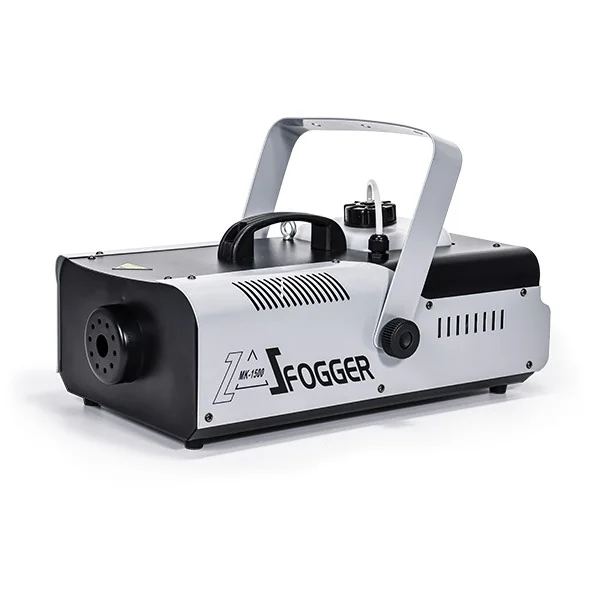
These are the most common devices used in theaters. Standard fog machines heat a water-based or glycol-based fluid, releasing dense clouds of fog that spread across the stage. They are ideal for creating special effects that intensify lighting beams, highlight stage movement, or add mystery to dramatic scenes. When paired with colored lighting, the fog becomes part of the story.
Haze Machines

Unlike traditional foggers, a haze machine produces a fine mist that lingers in the air. The thin haze doesn’t obscure actors but allows light beams and gobos to remain visible, giving designers full control over visual texture. This is the preferred choice for productions that require continuous atmosphere without overwhelming visibility.
Low Fog & Dry Ice Machines

For productions needing a ground-hugging effect, lying fog created by chilled foggers or dry ice machines is the solution. These devices release thick smoke that rolls along the stage floor, perfect for ballet entrances, ghostly apparitions, or romantic dance sequences. This form of fog and smoke is particularly popular in musicals and fantasy theater, where the stage must transform instantly into another world.
CO₂ and Special Effect Foggers

High-output CO₂ foggers create massive bursts of vapor that dissipate quickly, providing dramatic visual hits during climactic moments. These machines fall under the category of special effect devices and are especially useful in large-scale performances that want sudden impact without long-lasting smoke buildup.
Types of Theater Fog & Smoke Machines (Summary Table)
| Type of Machine | Effect Produced | Best Use Cases | Notes |
|---|---|---|---|
| Standard Fog Machines | Dense smoke effects, strong bursts of fog and smoke | Concerts, dramatic scenes, big entrances | Enhances lighting beams, creates impactful special effects |
| Haze Machines | Thin, even mist | Theatrical shows, concerts, worship events | Ideal for highlighting light beams without blocking visibility |
| Low Fog / Dry Ice Machines | Ground-hugging lying fog, cloud-like effect | Weddings, ballet, magical or eerie scenes | Short duration; requires ventilation and floor fans |
| CO₂ & Special Effect Foggers | Sudden, powerful jets of fog | Dance clubs, climactic theatrical moments | Creates instant excitement, pairs well with strobe lights |
| Hybrid Smoke Machines | Adjustable density fog for versatile use | Touring productions, multipurpose theaters | Combines features of fog and haze for flexibility |
4. Smoke & Lighting Interaction in Theater Design
In theater design, light alone can illuminate a stage, but when paired with fog and smoke, the visual experience reaches an entirely new level. The suspended particles created by fog machines or smoke machines catch and scatter light beams, making them visible to the audience. This transforms simple illumination into powerful smoke effects that reinforce storytelling and emotional tone.
Enhancing Visibility of Beams

Without atmospheric particles, a spotlight is only visible where it strikes a surface. With haze from a haze machine, the entire beam of light becomes visible in midair, creating a sense of dimensionality. This technique is widely used in theatrical lighting to focus attention or to emphasize dramatic entrances.
Creating Mood & Atmosphere

Different types of fog contribute differently to ambiance:
Standard fog machines create dense bursts that heighten intensity during climactic scenes.
Haze machines provide subtle mist, perfect for continuously creating special effects that highlight light cues without overwhelming visibility.
Dry ice or low-lying foggers produce lying fog that clings to the ground, creating ethereal or eerie moods.
Synergy with Light Colors & Angles

Color mixing in LED stage lights interacts vividly with fog. A deep red wash cutting through haze feels tense and urgent, while soft blues drifting over lying fog generate tranquility. The angle of light also matters: front lighting with fog provides clarity, while backlighting creates striking silhouettes and bold special effects.
Dynamic Scene Transitions

By combining fog and smoke with controlled lighting, directors can shift seamlessly between environments: from a misty forest to a smoky battlefield, or from a celebratory concert to a mystical dream sequence. This versatility makes atmospheric design one of the most effective tools for creating special effects on stage.
5. Matching Fog Machines to Theater Genres
Different theater genres demand unique fog and smoke effects to support storytelling and enhance audience immersion. Choosing the right machine ensures the intended mood is fully realized.
Opera

Recommended Machine: Haze machine
Effect: Creates a long-lasting, even mist that softens lighting and adds depth to the stage.
Reason: Operas often require a consistent atmospheric layer to complement the grandeur of the performance without distracting singers.
Drama

Recommended Machine: Standard fog machines
Effect: Sudden bursts of dense fog emphasize tension, dreamlike transitions, or climactic revelations.
Reason: Drama relies on subtle mood shifts, and controlled smoke effects heighten emotional impact.
Dance & Ballet

Recommended Machine: Dry ice or low-lying fog machines
Effect: Produces lying fog that clings to the stage floor, giving dancers the illusion of floating above clouds.
Reason: Enhances elegance and creates a magical atmosphere perfectly aligned with ballet’s ethereal quality.
Musicals

Recommended Machine: Combination of haze machine + fog machines
Effect: Haze highlights beams for musical numbers, while fog bursts deliver impactful special effects for dramatic scenes.
Reason: Musicals mix theatrical acting with concert-like energy, requiring both subtle atmosphere and bold visual accents.
Experimental & Contemporary Theater
Recommended Machine: Special effect foggers or CO₂ jets
Effect: Rapid and shifting smoke effects, often paired with projection mapping or strobes for surreal staging.
Reason: These genres thrive on breaking conventions, using fog and smoke to challenge perception and push creative boundaries.
6. Silence & Control: Key for Theatrical Use
Unlike concerts or large outdoor shows, theaters demand smoke and fog systems that blend seamlessly into the performance without distraction. The two critical requirements are silent operation and precise control.
Silent Operation

Why it matters: Theaters often host intimate plays, operas, or dance productions where even low background noise can break immersion. Traditional smoke machines with loud fans or pumps may be acceptable for live music, but not for delicate dramatic moments.
Solutions: Modern fog machines and haze machines designed for theatrical use are engineered with low-noise pumps, insulated housings, and variable-speed fans. These systems produce steady smoke effects without audible disruption, ensuring the audience focuses on the performance.
Case in point: A ballet performance using dry ice low-lying fog requires absolute silence—otherwise the magical “cloud” effect is undermined by mechanical noise.
Precise Control

Why it matters: In theater, timing is everything. A puff of fog at the wrong second can ruin a reveal, while too much haze may obscure facial expressions. Directors and lighting technicians need pinpoint accuracy.
Solutions:
DMX integration: Most modern fog and haze machines are fully DMX-compatible, allowing operators to synchronize fog bursts with lighting cues and music.
Remote & programmable controls: Wireless remotes and pre-programmed timers provide flexibility for smaller venues without full lighting desks.
Fine output adjustments: Advanced units allow technicians to regulate not just “on/off,” but output volume, density, and duration, making special effect creation both consistent and repeatable.
Why It Defines Theatrical Standards
For theater productions, the measure of a good fog and smoke system is not how dramatic the effect looks, but how naturally it integrates into the story. Quiet machines with programmable precision ensure the smoke enhances the scene, not distracts from it. This combination of silence and control is what separates consumer-grade foggers from true theatre fog machines.
7. Placement & Safety Guidelines
Position Machines Strategically
Place fog machines or haze machines at floor level or backstage corners where airflow naturally carries the effect.
Avoid aiming fog directly into the audience to prevent discomfort or blocked views.
Consider Airflow & Ventilation
Test how HVAC systems affect smoke effects before showtime.
Use fans or ducts to direct lying fog or haze across the stage evenly.
Maintain Safe Distances
Keep at least 1–2 meters between machines and performers, props, or curtains.
Ensure dry ice and low-lying units have proper clearance to avoid moisture condensation on stage floors.
Electrical & Power Safety
Use grounded outlets and avoid overloading circuits when running multiple smoke machines.
Secure cables to prevent tripping hazards, especially in dark backstage areas.
Monitor Fluid & CO₂ Usage
Always use manufacturer-approved fluids for fog and smoke.
For CO₂ or special effect machines, ensure tanks are secured and checked for leaks.
Emergency Protocols
Coordinate with venue staff to prevent triggering fire alarms.
Keep fire extinguishers and safety gear nearby, and brief crew on shut-off procedures.
Respect Audience Comfort
Moderate density to avoid eye or respiratory irritation.
Test machines in rehearsal to strike the right balance of creating special effects without overwhelming viewers.
8. Maintenance & Reliability in Long Runs
Even in long-running theater productions, keeping fog machines and smoke machines reliable is critical. Regular care ensures consistent smoke effects without interruptions.
Regular Cleaning – Wipe nozzles and housings to prevent residue buildup that reduces output.
Fluid Quality – Always use manufacturer-approved fluids to avoid clogs and maintain consistent fog and smoke density.
Check Pumps & Hoses – Inspect for wear or leaks, especially in haze machines running continuously.
Test Before Each Show – Run a short cycle to confirm output before the audience arrives.
Scheduled Servicing – Replace parts such as pumps or heaters proactively in long engagements.
Backup Units – For critical productions, keep a spare fog machine or special effect fogger ready.
9. Pairing Stage Lights with Fog & Smoke Machines
In theater and live productions, fog and smoke are rarely used alone. Their true power is revealed when combined with different types of stage lights, where haze, low fog, or bursts of smoke interact with beams, colors, and movement to create striking special effects. Below are some of the most effective combinations and how they transform performances.
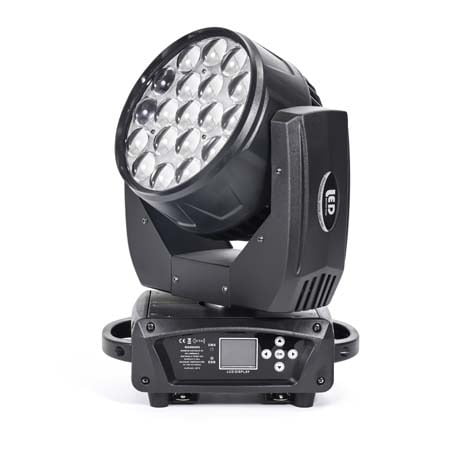
Moving Head Lights + Haze Machine

When paired with a haze machine, a moving head light produces sharp, defined beams that cut through the stage. Perfect for concerts and musicals, this setup creates layered smoke effects without overwhelming visibility.
Beam Lights + Fog Machines

Beam lights combined with fog machines generate dramatic shafts of light visible across the venue. This pairing is commonly used in high-energy moments such as battle scenes, rock shows, or climactic reveals.
LED PAR Lights + Fog and Smoke

With LED PAR lights, a dense background of fog and smoke enhances color washes and ambience. From warm theatrical tones to vibrant concert hues, this combination excels at creating special effects that set the mood.
Laser Lights + Haze Machine

Lasers require clarity, and when combined with a fine haze machine, they paint the air with intricate light patterns. This works exceptionally well for clubs, EDM performances, or experimental theater.
Strobe Lights + CO₂ Foggers

Pairing strobes with CO₂ jets creates explosive bursts of energy. The sudden special effect of bright flashes and cold smoke jets makes this ideal for dramatic dance breaks or surprise entrances.
Low Fog (Dry Ice) + Backlighting

Using dry ice or low fog machines to create lying fog on the stage floor becomes magical when illuminated from behind. This pairing is often seen in ballet, opera, or wedding-themed productions to create a floating-on-clouds effect.
10. Common Mistakes to Avoid with Theater Fog & Smoke
Even the best fog machines and smoke machines can underperform if used incorrectly. Here are the most common mistakes theaters should avoid:
Overusing Fog Effects
Excessive fog and smoke can obscure performers, frustrate audiences, and even trigger fire alarms. Moderation is key.Wrong Machine for the Scene
Using a dense fog machine where a haze machine is needed can ruin the balance between visibility and atmosphere.Ignoring Ventilation
Without proper airflow, lying fog or dry ice effects may dissipate unevenly or linger too long, disrupting scene transitions.Lack of Synchronization
Failing to integrate fog output with lighting cues reduces the impact of creating special effects. Always test timing with DMX control.Skipping Safety Checks
Using incorrect fluids, neglecting CO₂ monitoring, or ignoring equipment maintenance can turn a special effect into a hazard.
11. Future Trends & Technological Innovations
Stage technology is constantly evolving, and fog machines and smoke machines are no exception. Here are the key innovations shaping the future:
Eco-Friendly Fluids
Manufacturers are developing biodegradable, low-residue fluids that minimize health risks and reduce environmental impact.Silent Operation
Next-generation machines emphasize near-silent pumps and fans, ensuring smoke effects do not interfere with quiet theatrical moments.Smart Integration
Advanced models offer wireless connectivity and app-based controls, giving technicians real-time adjustment and monitoring capabilities.Precision Output Control
Automated systems allow precise regulation of fog and smoke, from light haze to dense bursts, improving creative flexibility.Hybrid Special Effect Systems
Machines that combine haze machine, lying fog, and burst modes into one unit, offering theaters a multipurpose solution.Energy Efficiency Improvements
New heating elements and optimized pumps reduce power consumption, extending machine life and lowering operating costs.
12. FAQs About Theater Fog & Smoke Machines
Q1: What is the difference between fog machines and haze machines?
Fog machines produce dense bursts of fog and smoke for dramatic moments, while haze machines create a thin, consistent mist that enhances lighting beams without obscuring the stage.
Q2: Can theater fog machines be safely used around audiences?
Yes. When used with approved fluids and proper ventilation, modern smoke machines are safe. Always follow manufacturer safety guidelines and ensure airflow to prevent excessive buildup.
Q3: What is lying fog and when is it used?
Lying fog (often created by dry ice machines) stays close to the ground, creating a cloud-like effect. It’s popular in ballet, weddings, and magical or eerie theatrical scenes.
Q4: How do fog effects interact with stage lighting?
Theater lighting becomes more visible when combined with fog or haze. The particles catch and reflect light, making beams, colors, and patterns stand out, perfect for creating special effects.
Q5: What kind of maintenance do fog machines require?
Routine cleaning, using proper fluids, and regular testing are essential. This prevents clogging, ensures consistent smoke effects, and keeps the special effect equipment reliable for long runs.
13. Conclusion
Theater productions rely on more than dialogue, music, and lighting—they depend on atmosphere. Fog machines and smoke machines play a vital role in shaping that atmosphere, providing directors and designers with tools to add depth, emotion, and special effects that transform a performance into an unforgettable experience.
From subtle haze that enhances light beams to dramatic lying fog created with dry ice, these machines are essential for creating special effects that immerse audiences in the story. When chosen carefully, maintained properly, and integrated seamlessly with lighting design, fog and smoke devices elevate stagecraft to its highest potential.
For theaters, event organizers, and production companies, investing in the right fog technology means more than just equipment—it means consistent reliability, creative flexibility, and long-term value.
Ready to bring your stage to life with professional fog and smoke solutions? Contact us today to explore the best machines and configurations for your venue.



 EN
EN  ES
ES  PT
PT  DE
DE  FR
FR  KO
KO  JA
JA  RU
RU  AR
AR  IT
IT  TR
TR  MS
MS  ID
ID  VI
VI  TH
TH  HI
HI  BN
BN  ZH
ZH