





1. Introduction
When planning a stage performance, club event, or theater production, one common question arises: Should I use a fog machine or a haze machine? Although both are designed to enhance smoke effects and make lighting more dramatic, they work in very different ways and create distinct atmospheres. Many buyers and event planners struggle to decide which is the better fit for their needs, especially when budget, venue restrictions, and audience comfort come into play.
This guide explains the key differences between fog machines and haze machines, covering their working principles, visual impact, and best use cases. By the end, you will have a clear understanding of how each machine contributes to lighting effects, mood creation, and audience experience, allowing you to confidently choose the right tool for your stage, concert, or event.
2. What Is a Fog Machine?

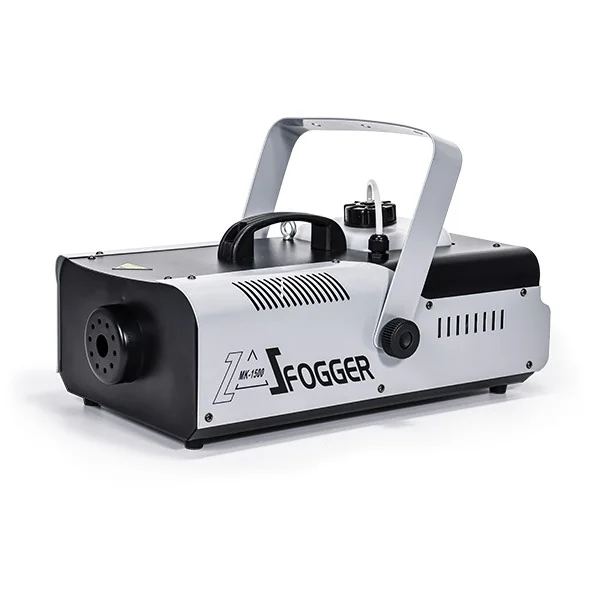
A fog machine is a device designed to produce thick, opaque clouds of artificial smoke that quickly fill a stage or venue. It works by heating a special fog fluid (usually a water and glycol-based solution) until it vaporizes, releasing dense fog and smoke that creates dramatic visual effects. This type of machine is widely recognized in concerts, DJ events, and theater performances, where large bursts of fog can transform the energy of a show in seconds.
Working Principle
The mechanism is relatively simple: fog fluid is pumped into a heat exchanger, where it is instantly vaporized and expelled into the air. The resulting plume creates an immediate special effect that enhances both sound and light. Unlike a haze machine, which produces a thin mist, fog machines generate a more concentrated effect that can momentarily obscure visibility or create a “lying fog” effect on stage.
Applications
-
Concerts & Festivals: Adds bursts of impact synchronized with beats or lighting.
-
Theater Productions: Helps simulate weather conditions like mist, smoke, or fire.
-
Clubs & DJs: Builds excitement by amplifying light beams, lasers, and strobes.
-
Special Events: Weddings, parties, and haunted attractions often use fog machines for immersive atmosphere.
Because they are versatile and relatively affordable, fog machines are among the most widely used light-enhancing tools in the entertainment industry. However, they must be carefully managed for audience comfort and ventilation.
3. What Is a Haze Machine?

A haze machine is designed to create a fine, translucent mist that spreads evenly across a venue, unlike the dense clouds produced by a fog machine. This mist is often barely noticeable to the naked eye but plays a crucial role in creating special effects by catching and reflecting beams of stage lighting, lasers, and spotlights.
Working Principle
Most haze machines work by atomizing a fluid—often oil- or water-based—into extremely small particles. These particles stay suspended in the air much longer than traditional fog, resulting in a smooth and consistent smoke effect. Unlike the sudden bursts of a fog machine, haze is continuous and subtle, designed to enhance visibility of lighting effects rather than overwhelm the stage.
Applications
-
Theatrical Lighting: Provides atmosphere without blocking performers or scenery.
-
Concerts and Live Shows: Amplifies laser beams and moving heads, creating defined light paths.
-
DJ and Club Environments: Adds immersive energy by making lights appear sharper.
-
Corporate Events & Exhibitions: Delivers a professional, refined look without the drama of thick fog.
Key Distinction
While fog machines produce bold, dramatic bursts, haze machines excel at set the mood with subtle, long-lasting atmospheres. For venues that prioritize energy efficiency, consistency, and precise beam angle definition, haze is the go-to option.
4. Fog Machine vs Haze Machine: Key Differences
While fog machines and haze machines are often confused, their functions, effects, and best-use scenarios differ significantly. Understanding these differences helps stage designers, DJs, and event planners make informed decisions based on their venue’s needs.
Here’s a breakdown of the main contrasts:
| Aspect | Fog Machine | Haze Machine |
|---|---|---|
| Effect Density | Produces thick, bold smoke effects that create dramatic bursts or clouds. | Generates a thin, consistent mist that is barely visible. |
| Atmosphere Impact | Creates intense, eye-catching moments, often used for entrances, drops, or special cues. | Enhances overall ambiance by making beams of light and lasers visible without overpowering. |
| Duration in Air | Shorter lifespan—fog disperses quickly unless continuously triggered. | Long-lasting haze particles stay suspended for extended periods. |
| Fluid Usage | Higher consumption due to frequent bursts. | More energy efficient, uses less fluid over time. |
| Noise Level | May produce noticeable sound when releasing fog. | Designed for quiet operation, suitable for theaters and subtle settings. |
| Best Applications | Concerts, DJ drops, Halloween parties, dramatic stage moments. | Theatrical productions, live shows, clubs, corporate events, exhibitions. |
| Special Effects Pairing | Works well with strobe lights and CO₂ jets for high-energy special effect shows. | Ideal for moving heads, lasers, and spotlights that rely on sharp beam of light visibility. |
| Maintenance | May require more frequent cleaning due to residue from fog fluid. | Lower maintenance needs, especially with water-based haze fluids. |
Summary:
-
Choose a fog machine when you need bold, eye-catching special effects.
-
Opt for a haze machine when your priority is subtle, continuous enhancement of lighting.
5. Applications of Fog and Haze Machines in Theater, Concerts, and Clubs
Fog and haze technology plays a crucial role in enhancing live entertainment. Each venue type demands different smoke effects—ranging from subtle ambiance to high-energy bursts. Choosing the right machine ensures that lighting, sound, and audience experience are fully optimized.
Theater Productions

In theaters, haze machines are the go-to choice. Their fine mist creates an invisible atmosphere that enhances the beam of light from spotlights and moving heads without overwhelming actors or distracting the audience. For productions involving fantasy or suspense, subtle fog machines can create rolling mist across the stage floor, often simulating natural elements like misty forests or mysterious settings. Quiet operation and controlled output are vital to avoid breaking immersion.
Concerts & Music Festivals

Concert environments thrive on dramatic special effects. Fog machines create explosive bursts during drops or climactic moments, making light beams, strobes, and lasers pop against the smoke. Meanwhile, haze machines provide the long-lasting atmospheric layer that makes every moving head and laser beam visible across large arenas. Combining both creates a layered look: haze for overall structure, fog for dramatic accents.
Nightclubs & DJ Performances

In clubs, DJ fog machines and dj smoke machines intensify the party vibe. Controlled bursts can highlight key music moments, while haze ensures laser effects and moving heads remain sharp all night. Compact, energy-efficient units are preferred, as they suit smaller indoor spaces without overwhelming patrons. Integration with DMX controllers allows DJs to sync fog bursts with BPM for interactive shows.
Corporate Events & Exhibitions

Subtlety is key for non-entertainment spaces. Haze machines are often used to set the mood, making lighting more vivid for brand activations, product launches, or exhibitions. Since many venues restrict heavy smoke, haze provides compliance with safety while still delivering lighting effects that draw attention.
In short:
-
Fog machines = drama, impact, short bursts.
-
Haze machines = subtle, long-lasting, visual enhancement.
-
The best results often come from a combination of both, depending on venue scale and artistic intent.
6. Cost Comparison: Fog vs. Haze Machines
When deciding between a fog machine and a haze machine, cost often plays a major role. While both enhance lighting effects and add depth to a performance, their price points and long-term operating costs vary significantly. Below is a side-by-side comparison:
| Factor | Fog Machine | Haze Machine |
|---|---|---|
| Initial Cost | Generally lower; budget-friendly entry options available. | Higher upfront investment due to more advanced technology. |
| Fluid Consumption | Consumes more fluid per burst; higher running costs over time. | Very efficient; uses less fluid, making it cost-effective long term. |
| Maintenance | Simple maintenance, but heavy use can clog heaters. | Requires consistent care for pumps and nozzles; more delicate. |
| Durability | Good lifespan if cleaned; less complex internally. | Often more durable, designed for professional environments. |
| Operational Cost | Moderate to high; fluid use and frequent cleaning add up. | Lower operational cost, especially for long-running events. |
| Use Case Fit | Perfect for impactful effects in short bursts. | Best for continuous smoke effects in theaters, concerts, or clubs. |
Quick Takeaway
-
If you need affordable, dramatic effects for short bursts: go with a fog machine.
-
If you prioritize subtle, long-lasting atmosphere with lower long-term costs: invest in a haze machine.
-
Many venues and professionals actually combine both to balance special effects with ambient enhancement.
7. Safety, Comfort & Venue Regulations
When working with fog machines and haze machines in theaters, clubs, or large concert halls, safety and audience comfort are just as important as creating the right special effect. Venues also need to comply with local regulations to ensure smooth operation and avoid disruptions.
Safety Considerations

-
Proper Ventilation: Always ensure adequate airflow so that fog or haze does not accumulate excessively and cause breathing discomfort.
-
Fluid Safety: Only use manufacturer-approved fog and haze fluids. Cheap alternatives can release harmful residues and damage equipment.
-
Fire Safety: Many venues require fog or haze machines to be paired with fire-alarm isolation systems, as dense smoke effects can trigger detectors.
Audience Comfort

-
Visibility Levels: Avoid over-saturating the space; too much fog can obscure performers and stage cues.
-
Scent-Free Fluids: Select high-quality, water-based fluids to avoid unwanted odors that may disturb the audience.
-
Targeted Effects: Use machines strategically so effects remain immersive but not overwhelming for people near the stage.
Venue Regulations

-
Local Codes: Regulations often dictate maximum output levels, approved fluid types, and machine placement. Always check your city or country’s entertainment venue standards.
-
Health Guidelines: For theaters and schools, fog machine use is often restricted in rehearsals with children or sensitive groups.
-
Noise Restrictions: In certain environments, a quiet haze machine may be required to avoid disrupting performances.
Key Takeaway: Balancing smoke effects with regulatory compliance and audience well-being ensures that fog or haze enhances the show rather than causing discomfort or safety concerns.
8. Buyer’s Guide: Choosing Between Fog and Haze
When deciding between a fog machine and a haze machine, it helps to compare them side by side. Below is a practical buyer’s guide in table format:
| Criteria | Fog Machine | Haze Machine |
|---|---|---|
| Event Type | Concerts, festivals, DJ drops, dramatic stage moments | Theatrical shows, clubs, exhibitions, corporate events |
| Visual Impact | Produces thick, bold clouds for strong smoke effects | Creates subtle, fine mist that enhances lighting effects |
| Venue Suitability | Large venues, arenas, outdoor spaces | Small to medium venues, theaters, clubs |
| Effect Duration | Short, high-impact bursts, dissipates faster | Long-lasting, consistent haze that lingers |
| Lighting Synergy | Works well with strobe lights, beams, and CO₂ cannons | Perfect for laser lights, moving heads, and defining beam angle |
| Audience Comfort | Can overwhelm in small spaces if overused | Comfortable, low density, enhances visibility without blocking the stage |
| Cost & Maintenance | Lower upfront cost, higher fluid consumption | Higher upfront cost, but energy efficiency and less fluid usage long-term |
| Best Choice If… | You want bold, dramatic, high-energy special effects | You want controlled atmosphere and precise light definition |
9. FAQs About Fog & Haze Machines
To address the most common questions buyers and stage professionals ask, here’s a structured FAQ section. This format is SEO-friendly (schema ready) and practical for readers who want quick answers.
1.What is the main difference between a fog machine and a haze machine?
A fog machine creates thick, dense bursts of smoke effects that are dramatic but short-lived, while a haze machine produces a fine mist that lingers, making lighting effects like beams and lasers more visible.
2.Can fog and haze machines be used together?
Yes. Many concerts and theaters combine both: fog machines for dramatic impact and haze machines for consistent atmosphere and beam of light visibility.
3.Are fog and haze fluids safe for indoor use?
When you use manufacturer-approved fluids, both are safe indoors. Water-based fluids are recommended for comfort and to avoid irritation, especially in small venues.
4.Do fog or haze machines trigger fire alarms?
They can. Dense fog output may set off optical smoke detectors, while haze is less likely to cause issues. Venues often install bypass systems or consult local theatre regulations.
5.Which machine is better for small venues or clubs?
A haze machine is often the smarter choice because it maintains atmosphere without overwhelming the space. A dj fog machine can still be used for short bursts during high-energy moments.
10. Conclusion: Making the Right Choice for Your Venue
Both fog machines and haze machines are powerful tools for enhancing stage design, but their value depends on how you want your audience to experience the show. A fog machine delivers bold, dramatic bursts that excite crowds during high-energy moments, while a haze machine creates a subtle, long-lasting atmosphere that brings out the best in lighting effects and beams of light.
For theaters, subtlety and control are essential—making haze the natural fit. For concerts and clubs, combining stage fog machines with haze creates a layered environment that keeps audiences engaged visually and emotionally. For DJs, using both strategically can balance dramatic drops with consistent ambiance.
Final Recommendation: Think about your venue size, audience comfort, and production goals. If your priority is special effects and dramatic moments, choose fog. If your focus is clarity, atmosphere, and lighting synergy, go with haze. Many professionals use both for the most versatile setup.
Ready to elevate your stage or club setup? Reach out to a trusted lighting and effects supplier to explore the best fog and haze solutions for your next event.



 EN
EN  ES
ES  PT
PT  DE
DE  FR
FR  KO
KO  JA
JA  RU
RU  AR
AR  IT
IT  TR
TR  MS
MS  ID
ID  VI
VI  TH
TH  HI
HI  BN
BN  ZH
ZH