





1.Introduction: Why Fog Machine Safety Matters for Every Event
From weddings to theatrical performances, fog is one of the most powerful special effects for creating atmosphere. A well-timed fog effect can transform a concert into a breathtaking show or add mystery to a dramatic scene. But while they look spectacular, many organizers still ask the same question: “Are fog machines safe?”
The truth is, fog machines indoors and outdoors are generally safe if used correctly and maintained with care. Without the right precautions, however, problems like overexposure, poor ventilation, or malfunctioning equipment can lead to unnecessary health risks or technical failures.
This guide provides proven safety tips for using fog equipment in both indoor events and outdoor productions. By understanding how fog machines work, the differences between types of fog machines, and the importance of water based fluids, you’ll be able to deliver stunning visual effects while keeping your crew and audience protected.
2.Understanding How Fog Machines Work Safely
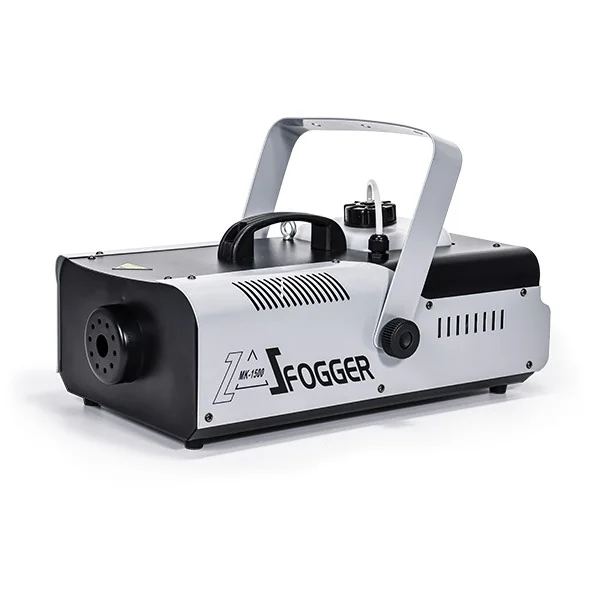
To use fog systems responsibly, it’s essential to first understand how fog machines work. At their core, these devices use a heating element to warm up fog fluids until they vaporize. Once pressurized, the machine releases this vapor into the air, where it quickly condenses and creates the thick, white clouds we recognize as a fog effect.
Different types of fog machines are designed for different applications:
Standard water based fog machines → Use a water based fluid that evaporates cleanly and disperses quickly, making them suitable for indoor events with proper ventilation.
Lying fog machines → Produce low-lying effects that hug the ground, commonly used for stage entrances, weddings, or dramatic theatrical performances.
Haze machines → Generate a lighter mist that enhances beams of light, lasers, and other visual effects, perfect for enhancing lighting effects without obscuring the stage.
The fluid formulas also vary. Most professional machines rely on water based fogs, while some use water and glycol based fluids. The choice affects dispersion, density, and potential health risks. For example, water based fluid is generally safer and recommended for long-duration use in enclosed spaces.
By knowing how your fog machines produce effects and choosing the right machine-fluid combination, you can balance impressive special effects with practical safety tips, ensuring each show runs smoothly and safely.
3.Key Safety Differences Between Indoor and Outdoor Fog Machine Use
Using fog equipment isn’t a one-size-fits-all situation. The environment—whether fog machines indoors or outdoors—dramatically changes the safety considerations. Event planners must adapt their strategies to minimize health risks while ensuring the desired fog effect.
Indoor Fog Machine Safety

Fog machines indoors create a controlled atmosphere but also carry higher risks. The main challenges include ventilation, fire alarms, and air quality:
Air Circulation: Without proper airflow, vapor can accumulate and make it uncomfortable for guests, particularly those with asthma or allergies.
Fire Alarm Triggers: Dense fog may confuse smoke detectors. Coordinating with venue staff to adjust alarm sensitivity or use approved zones is essential.
Residual Risks: Excessive use of fog fluids indoors can lead to headaches or irritation if not ventilated properly. Choosing water based fluid minimizes these health risks.
Example: A small theatrical performance in a closed theater might rely on water based fog machines to avoid overwhelming the space while still achieving dramatic visual effects.
Outdoor Fog Machine Safety

Outdoor environments provide natural ventilation, but that doesn’t mean safety concerns disappear. In fact, different factors come into play:
Wind and Weather: Strong winds can disperse the fog too quickly, reducing the intended fog effect and sometimes blowing vapor toward the audience unexpectedly.
Power and Stability: Outdoor setups require careful cable management and weatherproofing to avoid electrical hazards.
Effect Control: Lying fog machines may not perform well outdoors if airflow is unpredictable; in these cases, larger fog machines or haze systems are better suited for special effects.
Example: At a festival stage, technicians often combine haze machines with fog machines to create atmospheric layers that highlight beams and enhancing lighting effects without overwhelming open-air audiences.
4.Choosing the Right Fog Fluid for Safe Use
One of the most overlooked aspects of fog safety is the choice of fog fluids. The liquid you put into your machine determines not only the quality of the fog effect, but also the safety for performers and audiences. Different based fluids create different results, and using the wrong type can introduce unnecessary health risks or damage equipment.
Water Based Fluids: The Standard for Indoor Safety

Most water based fog machines rely on water based fluid, which is designed to evaporate cleanly inside the heating core. These formulas disperse quickly, produce less residue, and are generally considered the safest option for fog machines indoors. They are ideal for theatrical performances or small venues where ventilation is limited.
Water and Glycol Mixtures: Denser Effects

Some professional productions use water and glycol mixtures to achieve thicker, longer-lasting fog. This type of based fluid can create dramatic, heavy visual effects that linger in the air—perfect for outdoor concerts or large-scale special effects. However, excessive use indoors may lead to irritation for sensitive individuals, so proper ventilation and controlled output are critical.
Manufacturer Recommended Fog Fluids

Every fog system is engineered with specific fog fluids in mind. Using only manufacturer recommended fog products ensures compatibility with the heating element, prevents clogging, and protects warranties. Substituting with low-quality or untested formulas can shorten equipment lifespan and compromise safety.
Key Takeaway:For most events, especially when using fog machines indoors, a water based fluid is the safest and most practical choice. For outdoor or large-scale productions that demand heavier atmosphere, water and glycol based fluids can be used responsibly with proper airflow and monitoring.
5.Ventilation and Air Quality Considerations
While fog effects can transform a stage or event, the way fog interacts with the air is just as important as the equipment itself. Proper ventilation ensures that fog machines are safe to operate, reducing unnecessary health risks for both performers and audiences.
Indoor Events: Controlled but Sensitive

When using fog machines indoors, air circulation becomes critical. Without ventilation, vapor can build up and create discomfort, particularly for individuals with respiratory conditions. Choosing water based fogs is recommended for theaters, clubs, and wedding venues, as these fluids disperse quickly and leave less residue in the air.
Example: In a small theater, a director wanted a dramatic fog effect for a theatrical performance. By coordinating with the venue to run exhaust fans and limiting output cycles, the production team achieved the desired atmosphere while keeping the environment safe for the audience.
Outdoor Events: Natural Ventilation, New Challenges

Outdoor settings naturally disperse fog, which minimizes lingering vapors. However, challenges arise when strong winds carry the fog into unintended areas, sometimes causing visual obstruction or disrupting the planned visual effects. Event managers should always test fog output before the audience arrives and adjust placement to account for airflow.
Minimizing Health Risks with Proper Fluids

Not all fog formulas are created equal. Low-quality fluids or excessive use of glycol based fluids may lead to irritation. Sticking with water based fogs reduces potential health risks, making it easier to maintain air quality in enclosed venues while still delivering professional special effects.
Key Takeaway:Adequate ventilation, careful fluid selection, and proper output control are the foundation of safe and reliable fog use. With these steps, event planners can assure guests and staff that fog machines are safe while still achieving stunning fog effects.
6.Preventing Fire Alarm Triggers and Venue Compliance
Using fog indoors or during a theatrical performance can easily trigger alarms if not handled carefully. Follow these safety tips to keep your fog effect professional and compliant:
Understand alarm sensitivity → Fire detectors read airborne particles, meaning dense fog effects can resemble smoke.
Coordinate with venue staff → Always inform venues in advance; they may adjust settings or designate safe-use areas.
Control fog output → Use low cycles and avoid oversaturation, especially near detectors.
Choose safer fluids → Water based fogs disperse faster and reduce risks compared to glycol-heavy mixtures.
Test before the event → Run machines during setup to check how alarms respond.
Check local regulations → Some venues and regions have strict rules on special effects, especially indoors.
Key Takeaway:By combining preparation, communication, and proper fluid selection, you ensure fog machines are safe while staying compliant with venue policies and fire codes.
7.Placement and Setup Safety Tips
Correct machine placement is just as important as the type of fluid you use. These safety tips ensure your fog effect looks professional while minimizing risks:
Maintain safe distance → Position fog machines away from the audience to avoid direct exposure and keep hot surfaces from accidental contact.
Aim for controlled output → Direct fog toward open areas to maximize visual effects without blocking performers’ visibility.
Protect electrical connections → Keep machines elevated or shielded to prevent leaks or spills from reaching power cables.
Use outdoor stabilizers → For outdoor shows, secure fog machines against wind and movement to maintain consistent special effects.
Coordinate with lighting → Align fog dispersal with beams, lasers, and spots for enhancing lighting effects. This prevents wasted output and ensures maximum atmosphere.
Check air pathways → Make sure vents, stage fans, or air ducts don’t immediately disperse the fog away from its intended area.
Key Takeaway:Smart placement ensures machines deliver safe, reliable special effects while boosting stage design through better visual effects and lighting integration.
8.Routine Maintenance and Proper Cleaning for Safety
Regular upkeep is essential to keep fog machines safe and running reliably. Ignoring residue from fog fluids or overheating the heating element not only reduces performance but also introduces safety risks. Below are the best practices for maintaining your system:
Empty and Flush After Every Use

Never leave fog fluids sitting in the tank. Residue can crystallize, causing clogs and damaging the pump. Always empty the machine and flush the system with a tank of distilled water for proper cleaning.
Run Cleaning Cycles

Every few weeks, perform a cleaning cycle with diluted white vinegar or manufacturer recommended cleaning solutions. This clears deposits in the heating element and prevents clogs from forming in the nozzles.
Inspect Heating Components

Over time, the heating element can collect buildup or wear down. Regular inspections help identify issues early, preventing overheating or total failure during a performance.
Use Only High-Quality Fluids

Stick with water based fog fluids approved by the manufacturer. Low-quality mixtures can shorten lifespan, clog pathways, and create unnecessary health risks for performers and audiences.
Maintenance Schedule at a Glance
| Frequency | Task | Purpose |
|---|---|---|
| After Every Use | Empty tank & flush with distilled water | Prevents residue and clogs |
| Weekly (Frequent Use) | Run cleaning cycle with safe solution | Keeps heating system clear |
| Monthly | Inspect pump, nozzles, heating element | Detects early damage |
| Annually | Full service by technician | Ensures long-term reliability & safety |
Key Takeaway:Consistent regular maintenance paired with proper cleaning keeps your fog system efficient, extends equipment lifespan, and guarantees safe operation at every event.
9.Health and Audience Safety Guidelines
Ensuring audience comfort and safety is just as important as creating impressive fog effects. Keep these safety tips in mind to confirm that fog machines are safe for everyone present:
Choose water based fogs → Safer for prolonged use in indoor events, as they disperse quickly and leave less residue in the air.
Minimize health risks for sensitive groups → Children, elderly guests, and those with asthma may be more vulnerable; limit fog exposure in these cases.
Avoid direct exposure → Never aim fog output at the audience; concentrated vapor can irritate eyes and breathing.
Maintain proper ventilation → In closed spaces, ensure air circulation to reduce lingering particles and prevent discomfort.
Monitor fog density → Overly thick effects may reduce visibility, leading to trip hazards or unease among attendees.
Test before the event → Run machines during rehearsals to evaluate reactions and adjust settings for optimal safety tips.
Key Takeaway:With smart planning and the right fog fluids, event managers can minimize health risks while assuring guests that fog machines are safe for both indoor and outdoor shows.
10.Emergency Safety Tips and Troubleshooting
Even well-maintained fog machines may occasionally malfunction during a show. Use these safety tips to troubleshoot quickly and keep your event running smoothly:
No fog output → Check if the fog machines produce sound from the pump; if silent, refill fluids or inspect for clogs.
Weak or inconsistent fog effect → Ensure the heating element has fully warmed up; residue buildup may require a cleaning cycle.
Unusual odor or smoke color → Often caused by expired or contaminated fog fluids; replace immediately with manufacturer-approved products.
Overheating issues → Shut down the machine at once; allow the heating element to cool and check ventilation around the unit.
Machine leaking fluid → Disconnect power, drain the tank, and inspect seals and hoses for cracks or loose fittings.
Electrical fault or power loss → Stop operation, check cables and connections, and avoid using the machine until a qualified technician inspects it.
Key Takeaway:Always have a backup plan—such as spare fluids, extra machines, or trained staff—so that any issue with your fog system can be handled without compromising safety or performance.
11.Best Practices for Professional Indoor & Outdoor Events
Professional productions demand more than just setting up machines—they require planning and coordination to ensure both safety and performance quality. These best practices will help you balance stunning special effects with safe operations.
Test Before Every Theatrical Performance

Always run fog machines during rehearsals to check output, airflow, and timing. This ensures that your theatrical performance delivers the right atmosphere without overwhelming the stage or audience.
Integrate Fog with Lighting Design

Fog is most effective when paired with beams, lasers, and spots. Properly timed output creates dramatic visual effects that highlight the light paths, enhancing the overall stage experience.
Use the Right Machine for the Venue

Select equipment suited for the environment—lying fog machines for low-lying effects at weddings or stage entrances, haze systems for subtle special effects, and high-output foggers for outdoor concerts. Matching machine type to venue ensures both safety and optimal results.
Assign Trained Operators

Unsupervised use often leads to poor control or unsafe conditions. A trained technician can manage output levels, monitor equipment temperature, and coordinate fog release with cues.
Balance Effect and Comfort

While heavy fog looks impressive, it can reduce visibility and cause discomfort. Limit intensity in smaller indoor venues, and use natural airflow outdoors to disperse fog safely while still maintaining strong visual effects.
Key Takeaway:Professional fog use is all about balance—between artistry and safety. By testing, integrating with lights, selecting the right equipment, and relying on trained staff, you can deliver breathtaking special effects without compromising health or compliance.
12.FAQ – Fog Machine Safety Questions
Are fog machines safe for indoor events?
Yes, fog machines are safe when used correctly. Always choose water based fogs, maintain proper ventilation, and avoid excessive density to reduce health risks.
Do fog machines produce harmful chemicals?
Most professional units produce vapor using water based fog fluids or water and glycol based fluids. High-quality fluids are designed for safe use, but cheap or unapproved liquids may release irritants. Always follow the manufacturer’s recommendations.
Can fog machines trigger fire alarms during a theatrical performance?
Yes, dense fog effects can set off smoke detectors. Inform the venue staff in advance, run output tests, and use controlled cycles to prevent false alarms.
Which type of fog fluid is safest for long events?
Water based fog fluids are the best choice for long-duration use, especially indoors. They disperse quickly, create fewer residues, and lower the chance of health risks.
What’s the difference between haze machines and lying fog machines?
Haze machines → Produce thin mist for highlighting beams and visual effects, often used in concerts.
Lying fog machines → Create low-lying clouds that hug the ground, popular for weddings and dramatic entrances.
Key Takeaway:Most safety concerns come from poor fluid choice, lack of ventilation, or overuse. By following simple safety tips and using high-quality fog fluids, you can assure guests that fog machines are safe for both indoor and outdoor events.
13.Conclusion: Safe Fog Effects, Professional Results
Fog is one of the most versatile special effects in modern stage and event design. When handled with care, a fog effect not only enhances visual effects but also creates unforgettable atmospheres for concerts, weddings, and theatrical performances.
As this guide has shown, the key to success lies in preparation:
Choosing water based fogs or manufacturer-approved fluids
Following regular maintenance and safety tips
Ensuring proper ventilation indoors and smart placement outdoors
Training staff to manage machines responsibly
By combining artistry with safety, event planners can guarantee that fog machines are safe while still achieving dramatic results that captivate audiences.
Looking for professional-grade machines, reliable fog fluids, or expert advice on safe setup?
Contact Us Today to get tailored solutions that deliver stunning fog effects with complete peace of mind.



 EN
EN  ES
ES  PT
PT  DE
DE  FR
FR  KO
KO  JA
JA  RU
RU  AR
AR  IT
IT  TR
TR  MS
MS  ID
ID  VI
VI  TH
TH  HI
HI  BN
BN  ZH
ZH