







Introduction — The Evolution of Concert Stage Lighting in 2026
As live performances continue to evolve, so too does the role of concert stage lighting. In 2026, lighting design is no longer simply about illuminating the performers—it’s about creating immersive environments that engage the audience on a deeper level. The integration of advanced lighting systems, intelligent control technologies, and energy-efficient solutions are transforming the way lighting is used in concerts, festivals, and other live events.
The trends of 2026 will see a shift toward modular lighting systems that provide flexibility and scalability for large-scale performances. These systems will be increasingly powered by AI-driven control systems that automatically adjust lighting to the rhythm of the performance or the energy of the crowd. Moreover, sustainability will continue to be a key focus, with LED technology and eco-friendly lighting solutions playing a major role in reducing energy consumption without compromising visual impact.
As we move into this new era of concert lighting, the intersection of creativity and technology will unlock new possibilities for lighting designers, performers, and production teams. This article will explore the key trends shaping the future of concert stage lighting in 2026, from the rise of smart lighting systems to the integration of interactive and immersive lighting effects. It will also highlight the essential products and technologies that will enable these transformations and provide practical insights for those looking to stay ahead in the industry.
Key Trends in 2026 Concert Stage Lighting
As we approach 2026, concert stage lighting continues to evolve in response to both technological advancements and the growing demands of live performances. In this section, we’ll explore the key trends shaping the future of concert lighting, focusing on modular systems, smart control, energy efficiency, and interactive lighting designs that are set to dominate the industry.
The Rise of Modular Lighting Systems

One of the most significant trends for 2026 concert stage lighting is the shift towards modular lighting systems. These systems provide a level of flexibility and scalability that was previously unattainable with traditional lighting rigs. By allowing lighting fixtures to be easily assembled and disassembled, modular systems offer faster setup times, reduced transportation costs, and more efficient storage.
For large concerts and touring productions, this modularity allows for quick adjustments to accommodate different stage sizes and performance types. Whether it’s a small venue or a massive outdoor festival, modular lighting systems can be customized to fit the exact needs of the production.
Smart Lighting and AI-Powered Control Systems

In 2026, smart lighting control systems are taking center stage. These systems leverage AI and real-time data to automatically adjust lighting settings such as intensity, color temperature, and beam angles based on the performance’s needs. This allows for greater precision and efficiency during live shows, reducing the need for manual adjustments and ensuring that the lighting remains in perfect harmony with the performance.
For example, AI-powered lighting systems can analyze the movements of performers, camera angles, and even audience reactions to adjust lighting dynamically in real-time. This level of automation ensures that every moment of the performance is enhanced by perfectly timed lighting changes, enhancing both the aesthetic experience and production value.
Energy Efficiency and Sustainable Lighting Solutions

Sustainability continues to be a major focus for the live events industry, and concert lighting is no exception. In 2026, energy-efficient LED lighting will become the standard for most productions, offering significant benefits in both cost savings and environmental impact. LED lights consume significantly less energy than traditional stage lighting, while also providing higher-quality output and longer lifespan.
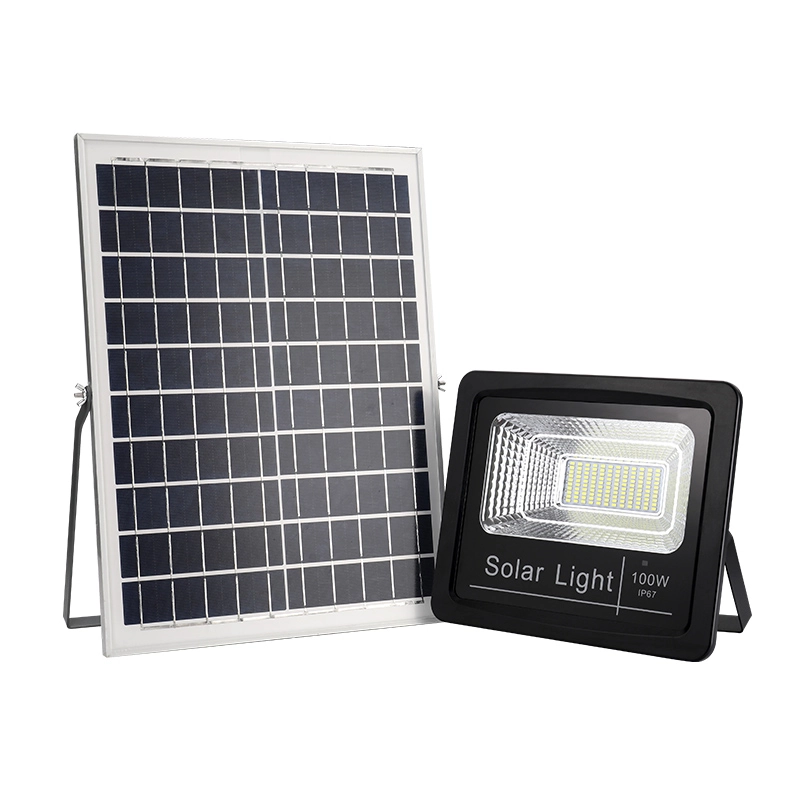
The demand for eco-friendly lighting solutions will continue to grow, as more and more concert venues and event organizers aim to meet green certification standards. From solar-powered lighting for outdoor festivals to recyclable materials in lighting fixtures, sustainable options will be a key consideration in stage lighting design moving forward.
Interactive and Immersive Lighting Designs

Interactive lighting is quickly becoming a cornerstone of immersive concert experiences. Using motion sensors, sound-reactive lighting, and real-time audience interaction, designers can create dynamic lighting effects that respond to the performance, creating a truly interactive experience for the audience.
For example, audience-driven lighting can change based on the crowd’s energy, responding to claps, cheers, or even visual cues from the performers. This creates an engaging and personalized experience for every audience member. As concert-goers interact with the environment, lighting transforms into a part of the performance, making each show unique.
Virtual and Augmented Reality Integration

As XR (Extended Reality) and augmented reality (AR) technologies continue to advance, their integration with concert lighting will become more prominent in 2026. By merging virtual elements with physical stages, concert lighting will evolve from a passive component to an active part of the virtual experience.
With VR and AR, lighting designers can create dynamic, 360-degree environments that respond to both physical and virtual elements, creating an unmatched immersive atmosphere for the audience. Interactive LED walls, 3D projection mapping, and AR-enabled lighting will offer concert-goers a more engaging and interactive experience, where lighting adapts to both digital content and real-time performance cues.
The Integration of Sound and Lighting

One of the most exciting trends in concert stage lighting is the integration of lighting with sound systems. In 2026, sound-reactive lighting will play a critical role in enhancing the live experience by synchronizing light effects with the beat and rhythm of the music.
Audio-reactive lighting can adjust the color, brightness, and movement of lights to match the tempo of the music, creating a synchronized visual and auditory experience. This is particularly impactful in live concerts, where lighting can enhance the energy of the performance and provide a deeper emotional connection for the audience.
The Future of Concert Lighting: What to Expect in 2026 and Beyond

The future of concert stage lighting is not only about technological advancements but also about pushing the boundaries of what’s possible with live performances. In 2026, lighting will become even more immersive, interactive, and smart, with the potential to enhance every aspect of the performance. With AI-powered lighting, interactive visual elements, and sustainable technologies, the future of concert lighting promises to deliver unprecedented experiences for both the audience and performers.
Essential Products for 2026 Concert Stage Lighting
As the lighting trends for concerts evolve, so too do the essential products that make these innovations possible. In 2026, concert stage lighting will be defined by high-performance LED fixtures, intelligent control systems, and modular solutions that provide flexibility and adaptability for large-scale performances. Below are some of the key products that will drive these trends forward.
LED Beam Lights

One of the most important lighting tools for concerts in 2026 will be LED beam lights. These fixtures provide high brightness and precise beam control, making them ideal for creating dynamic and impactful lighting effects. With energy-efficient LED technology, they offer long lifespan and low energy consumption, making them an essential choice for both large festivals and intimate performances.
LED beam lights allow lighting designers to create sharp beams, color effects, and sweeping light movements, which are essential for concerts, festivals, and large-scale productions. Their flexibility makes them perfect for a variety of applications, from dynamic stage lighting to dramatic light shows.
Moving Head Lights

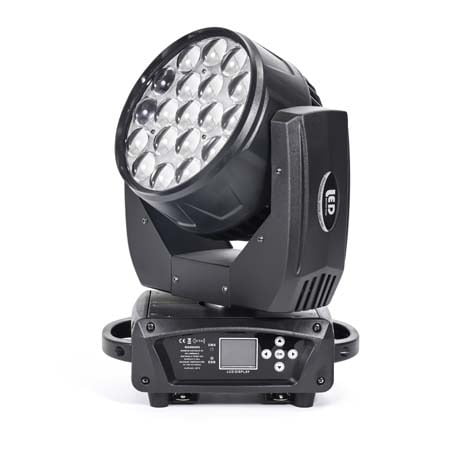
In 2026, moving head lights will remain a staple in concert stage lighting, providing dynamic control over the direction and shape of the light. These fixtures can rotate 360 degrees and tilt to create moving effects that complement live performances. Moving heads are particularly valuable in concerts, where rapid lighting changes are often required to match the pace of the music.
The ability to quickly adjust the beam angle, color, and focus makes moving head lights ideal for creating dynamic lighting scenes during live events. Whether it’s for sweeping lights over the audience, spotlighting performers, or creating exciting color effects, moving head lights are indispensable in modern concert lighting design.
LED Wash Lights

LED wash lights are essential for providing even and uniform lighting coverage across the stage. These fixtures are particularly useful for backlighting and filling the space with a consistent color wash. In 2026, LED wash lights will feature more advanced color mixing capabilities, allowing designers to create smooth transitions between different hues and lighting intensities.
With their wide spread and adjustable color temperature, LED wash lights are perfect for creating ambient lighting and adding mood to concert settings. Whether used for creating soft backgrounds or illuminating large stage areas, they will continue to be a key product in the 2026 concert lighting toolkit.
Strobe Lights and Special Effects

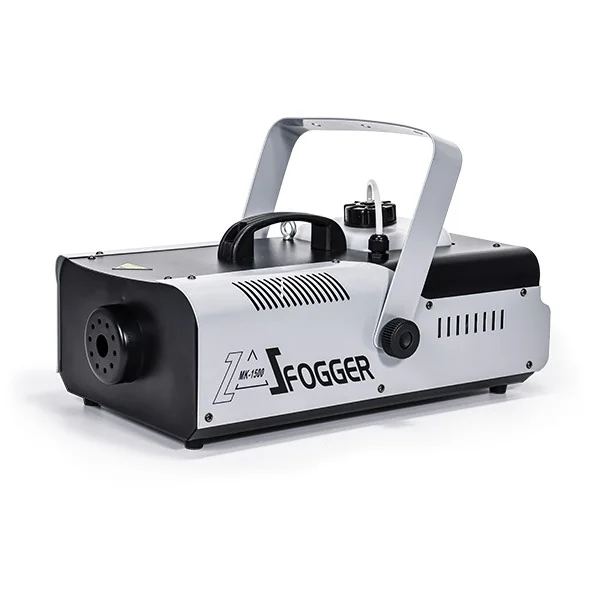
Strobe lights and special effects lighting will remain integral to creating high-impact visuals at concerts. These products are essential for dynamic lighting effects that are in sync with the music, providing flashy, bright bursts of light that elevate the energy of the performance.
For 2026, strobe lights will continue to be used to create dramatic lighting cues, adding intensity and excitement to key moments in the concert. Special effects such as laser lights and gobo projections will also be widely used to enhance the visual storytelling of the performance, providing intricate designs and animated patterns on stage.
Wireless DMX Control Systems

As concerts become larger and more complex, wireless DMX control systems will become increasingly important. These systems allow for easy and flexible control of the entire lighting rig without the need for extensive wiring. By using wireless technology, these systems can transmit lighting control data to multiple lights across the stage, simplifying the setup and ensuring consistent performance across different environments.
Wireless DMX control systems also offer the benefit of real-time adjustments, allowing lighting designers to modify the lighting during the performance without being constrained by physical connections. This technology enhances the overall flexibility and efficiency of lighting setups, especially for touring productions and large-scale concert events.
AI-Powered Lighting Systems
AI-powered lighting systems are becoming more integrated into concert stage lighting as technology advances. These systems use artificial intelligence to analyze real-time data and automatically adjust lighting intensity, color and timing to match the dynamics of the performance. By automating these adjustments, AI-powered systems improve the consistency and precision of the lighting without requiring manual intervention.
In 2026, AI systems will play a major role in ensuring that the lighting remains perfectly synchronized with performer movements, music changes, and audience interaction. This will allow concert lighting designers to focus more on creative aspects while leaving the technical aspects of lighting adjustments to the AI system.
Sustainable Lighting Solutions
As sustainability continues to be a priority for event planners, eco-friendly lighting solutions will be increasingly in demand. LED lights have already become the standard in concert lighting due to their energy efficiency and long lifespan. In 2026, we will see even more sustainable innovations, including solar-powered lights and recyclable materials used in fixture construction.
The push for sustainable lighting solutions will be driven not only by environmental concerns but also by the need to meet green certification standards set by many concert venues and festivals. Incorporating eco-friendly lighting into productions will help reduce carbon footprints and improve the sustainability credentials of event companies.
Key Lighting Control Systems for 2026 Concerts
As concert lighting technology advances, control systems are becoming more intelligent and flexible. In 2026, the integration of wireless DMX systems, cloud-based management, and AI-powered cueing will be essential for large-scale live performances. Here are the key control systems shaping concert lighting:
Wireless DMX Control: Wireless DMX systems allow for rapid setup, reduced cabling, and remote management, making them ideal for touring productions.
Cloud-Based Lighting Management: Cloud systems offer centralized control, allowing lighting teams to manage and update rigs remotely, ensuring consistency across multiple venues.
AI-Powered Lighting Systems: AI-driven systems automatically adjust lighting based on real-time data from performers and audience reactions, ensuring precision and adaptability during shows.
Integration with Audio, Video, and Show Control Systems: Lighting systems now integrate seamlessly with audio and video technologies, syncing visual effects to music and performer movements.
Redundancy and Monitoring: Modern lighting control systems offer real-time diagnostics, ensuring system reliability and reducing the risk of failure during performances.
Modular Control Architecture: Modular systems allow lighting control setups to scale easily, adapting to different stage sizes and production requirements.
The Role of Interactive Lighting in Concerts
In 2026, interactive lighting will become a cornerstone of concert lighting design, creating immersive experiences that engage both the performers and the audience. By integrating motion sensors, sound-reactive lighting, and real-time audience interaction, lighting will adapt dynamically to the performance, creating a more personalized and engaging atmosphere for concertgoers.
Audience-Driven Lighting: Lighting systems will be able to respond to audience movements and reactions, such as clapping, cheering, or waving hands, enhancing the emotional connection between the performers and the audience.
Sound-Reactive Lighting: Lighting effects will be synced with the music’s rhythm and intensity, allowing the lighting to change dynamically based on the beat of the music. This sound-sensitive lighting will heighten the impact of the performance, creating a synchronized visual and audio experience.
Real-Time Data Integration: Interactive lighting systems will incorporate real-time data from sensors, performers, and even social media reactions, adjusting the lighting based on audience engagement or emotional feedback.
Future of Concert Stage Lighting: What to Expect in 2026 and Beyond
As we look towards 2026 and beyond, the future of concert stage lighting will be shaped by the continued advancement of smart technologies, immersive experiences, and sustainability. The next generation of concert lighting will focus on creating highly dynamic and interactive environments that adapt in real-time to the performance and audience interaction. Here’s what to expect:
Integration of Virtual and Augmented Reality: With XR (Extended Reality) and AR becoming mainstream, concert lighting will merge seamlessly with virtual environments. This integration will allow lighting designers to create 360-degree immersive experiences, where lights interact with virtual content and digital backdrops to blur the line between the physical and digital worlds.
AI and Automation in Lighting Design: AI-driven lighting systems will become more sophisticated, with the ability to analyze performer movement, audience reactions, and sound dynamics to adjust lighting automatically. These systems will enable real-time lighting transitions, reducing manual adjustments and allowing for more precise control over lighting during performances.
Sustainable Lighting Solutions: As environmental impact continues to be a significant concern, the concert lighting industry will focus on more energy-efficient solutions. LED technology will dominate, but we will also see the rise of solar-powered and recyclable lighting systems, reducing the overall carbon footprint of large-scale productions.
Interactive Lighting for Enhanced Audience Engagement: Future lighting systems will allow for even more audience interaction. Using motion sensors, biometric feedback, and real-time data, lighting will respond to the audience’s movements, voice levels, or even emotional cues, creating a fully interactive and personalized experience.
Modular and Scalable Lighting Systems: As concerts and festivals grow in scale, lighting systems will become more modular, allowing for quick and easy adjustments depending on the venue size or production requirements. Scalable solutions will provide greater flexibility, ensuring that lighting can be optimized for both small and large stages.
FAQ — 2026 Concert Stage Lighting
Q1: What are the biggest trends in concert stage lighting for 2026?
A: In 2026, concert stage lighting will be defined by modular systems, AI-powered control, and interactive lighting. Wireless DMX control, energy-efficient LED technology, and XR integration will be key trends, offering more flexibility, creativity, and sustainability in live performances.
Q2: How does AI improve concert stage lighting?
A: AI-powered lighting systems can automatically adjust light settings based on performer movement, sound dynamics, and audience feedback. This allows for real-time lighting changes, ensuring a more synchronized and dynamic visual experience with less manual intervention.
Q3: What is XR technology and how does it impact concert lighting?
A: XR (Extended Reality) combines virtual production and augmented reality to create interactive and immersive concert experiences. In 2026, XR lighting systems will allow for seamless integration of virtual and physical elements, enhancing the overall stage presence and audience engagement.
Q4: What are the benefits of using modular lighting systems for concerts?
A: Modular lighting systems offer flexibility, quick setup, and easy transportation for large-scale concerts. These systems allow lighting designers to customize setups for different stage sizes and configurations, making them ideal for touring productions and multi-venue events.
Q5: How can concert lighting be made more sustainable?
A: Sustainable concert lighting will focus on energy-efficient LED fixtures, solar-powered lights, and recyclable materials. In 2026, the demand for eco-friendly lighting solutions will grow, helping venues and festivals reduce their environmental footprint while providing high-performance lighting solutions.
Conclusion — Embracing the Future of Concert Stage Lighting
As we approach 2026, concert stage lighting is evolving at a rapid pace. The integration of modular lighting systems, AI-driven control, and immersive technologies like XR will reshape the concert experience, providing more flexibility, precision, and creativity for lighting designers and event producers.
The future of concert lighting is not just about brighter lights—it’s about creating interactive environments that engage both performers and audiences on a deeper level. Whether it’s through real-time lighting adjustments, dynamic sound-reactive effects, or eco-friendly solutions, the next generation of concert lighting will be defined by its ability to adapt, interact, and enhance the overall performance.
For B2B clients—whether you’re a lighting designer, event planner, or production company—adopting these emerging lighting technologies will give you a competitive edge in the evolving entertainment landscape. Embracing smart lighting, interactive solutions, and sustainable practices will not only elevate the audience experience but also help meet the growing demand for more eco-conscious and innovative live performances.
At Vorlane, we are committed to supporting your lighting design needs with cutting-edge technology, helping you stay ahead of the curve in 2026 and beyond.
Ready to elevate your concert lighting with the latest technologies?
Get a Quote or Talk to Our Team to explore our custom solutions for your 2026 events.



 EN
EN  ES
ES  PT
PT  DE
DE  FR
FR  KO
KO  JA
JA  RU
RU  AR
AR  IT
IT  TR
TR  MS
MS  ID
ID  VI
VI  TH
TH  HI
HI  BN
BN  ZH
ZH