







Introduction — 2026 Theatre Lighting Trends: A New Era of Creativity
As we look toward the future of theatre lighting, 2026 promises to be a year of transformation. The advancement of lighting technology is shaping a new era where creativity and innovation take center stage. Theatre lighting is no longer just about illuminating the stage—it’s about creating immersive experiences, pushing the boundaries of visual storytelling, and engaging the audience in new, interactive ways.
In 2026, we expect to see a stronger emphasis on smart lighting systems, which will be AI-powered and capable of adjusting to real-time changes in the performance. Sustainable lighting solutions, such as LED lighting and solar-powered systems, will continue to rise in importance as theatres focus on energy efficiency and reducing their environmental impact. Meanwhile, the modular lighting trend will provide theatres with the flexibility to customize lighting setups for any production, from intimate performances to grand-scale spectacles.
This article explores the key lighting trends that will dominate theatres in 2026, showcasing innovative lighting designs and cutting-edge technologies that are transforming the way lighting is used to enhance theatre productions. Whether you’re a lighting designer, event planner, or theatre owner, understanding these trends will help you stay ahead of the curve and bring your productions to life in new and exciting ways.
Key Trends in 2026 Theatre Lighting
In 2026, theatre lighting is set to be more innovative, interactive, and energy-efficient than ever before. From AI-powered systems to modular lighting designs, these advances are transforming how lighting is used to enhance the performer’s environment and audience experience. Below are the key trends you can expect to see in theatre lighting in 2026.
Smart Lighting for Theatres

Smart lighting systems are revolutionizing the way theatres manage their lighting. These systems use advanced algorithms and real-time data to adjust light intensity, color, and movement based on cues from the performance or audience interaction. AI-driven lighting setups will become more common in 2026, allowing theatres to automate lighting changes, reducing the need for manual control and ensuring more seamless transitions during shows.
These intelligent lighting systems offer greater flexibility and can be adapted to different venues and performances. They also allow for dynamic scene transitions, offering more creative freedom for lighting designers.
Sustainable Lighting Solutions for Green Theatres

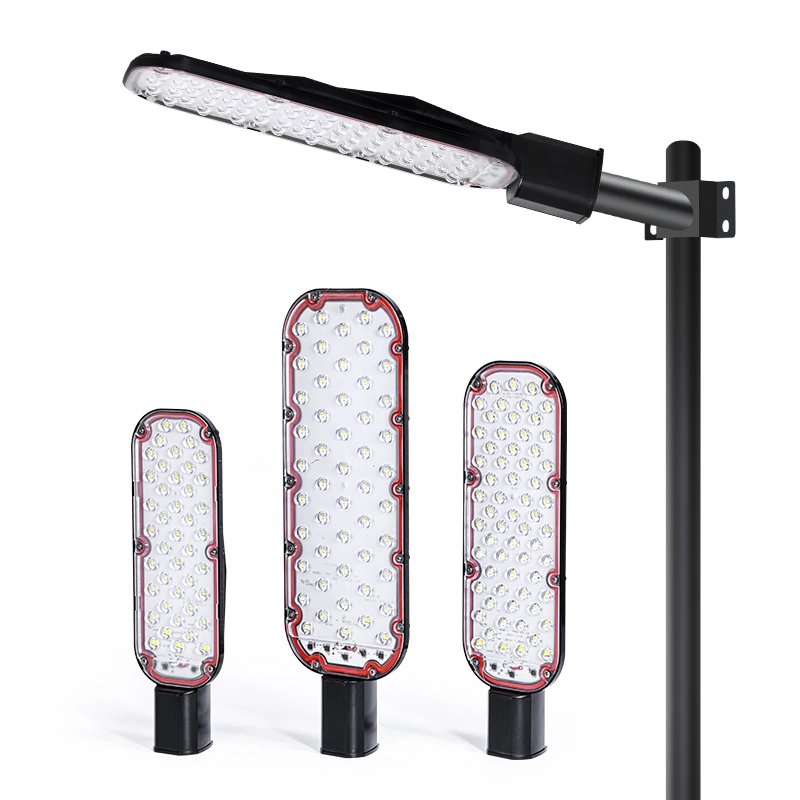
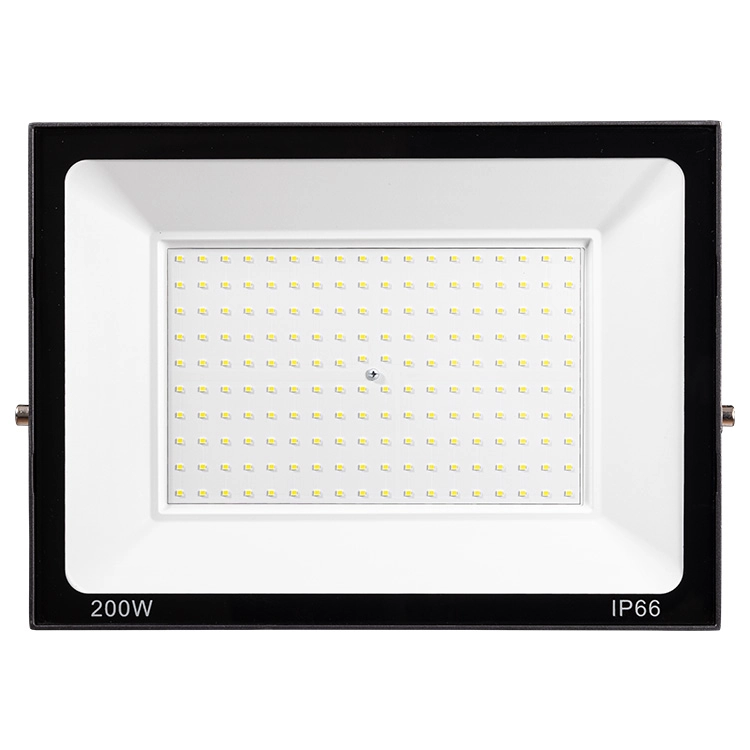
Sustainability continues to be a significant concern for modern theatres. In 2026, more venues will turn to energy-efficient LED lighting and solar-powered systems to reduce energy consumption and lower their carbon footprint. LED lights will be at the forefront of this trend, offering longer lifespans and low power usage, making them ideal for large productions where lighting is a major energy consumer.
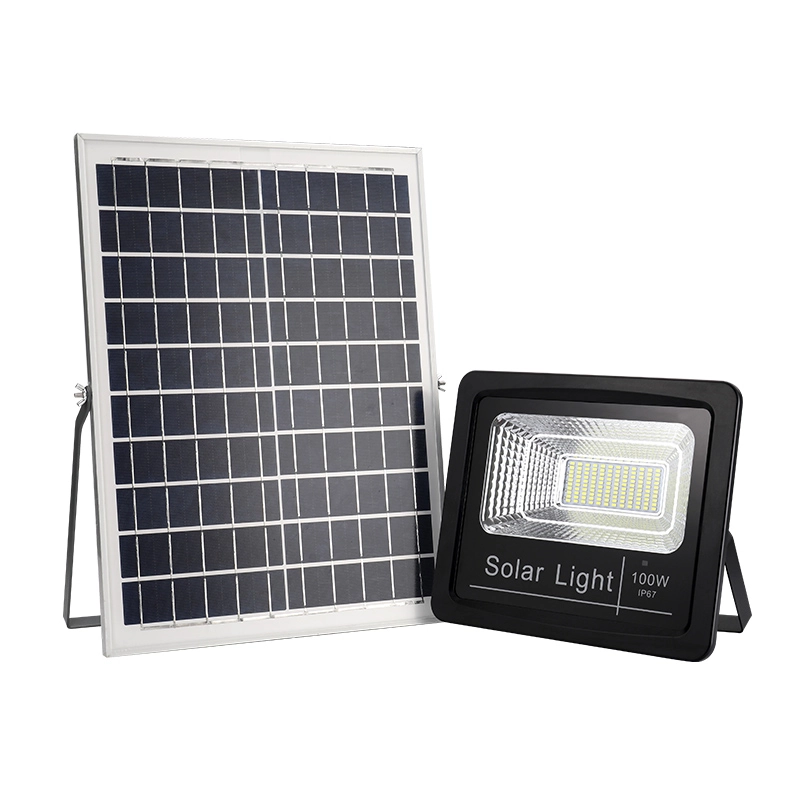
In addition to LEDs, the integration of solar-powered lights in outdoor theatres or venues with limited electricity access will be an eco-friendly solution. This sustainable approach ensures that productions can reduce costs while aligning with environmental goals.
Modular Lighting for Flexible Stage Design

Modular lighting systems will allow theatres to quickly and easily adapt their lighting setups for different performances. Whether it’s a multi-venue show, a touring production, or a special event, modular systems allow lighting designers to customize setups based on the needs of each production. These systems are particularly beneficial for dynamic stage designs where lighting needs to be adjusted quickly to fit changing scenes or spaces.
The flexibility of modular lighting will make it a staple in modern theatres, as it helps designers easily rearrange lighting elements for each scene change or production requirement, without requiring extensive setup time.
Interactive Lighting for Immersive Audience Engagement

Interactive lighting is becoming a key element in creating immersive experiences for audiences. This form of lighting allows the audience to engage with the performance in real-time, making them feel like an integral part of the production. Motion-sensing lights, sound-reactive lighting, and audience-triggered lighting effects will be increasingly used in 2026 to create an interactive experience.
By incorporating interactive lighting, performances can take on a more dynamic and participatory nature, allowing the audience to influence the lighting through their actions. This level of interaction enhances the overall experience, creating a deeper emotional connection between the performance and the audience.
Ambient Lighting for Creating Mood and Atmosphere

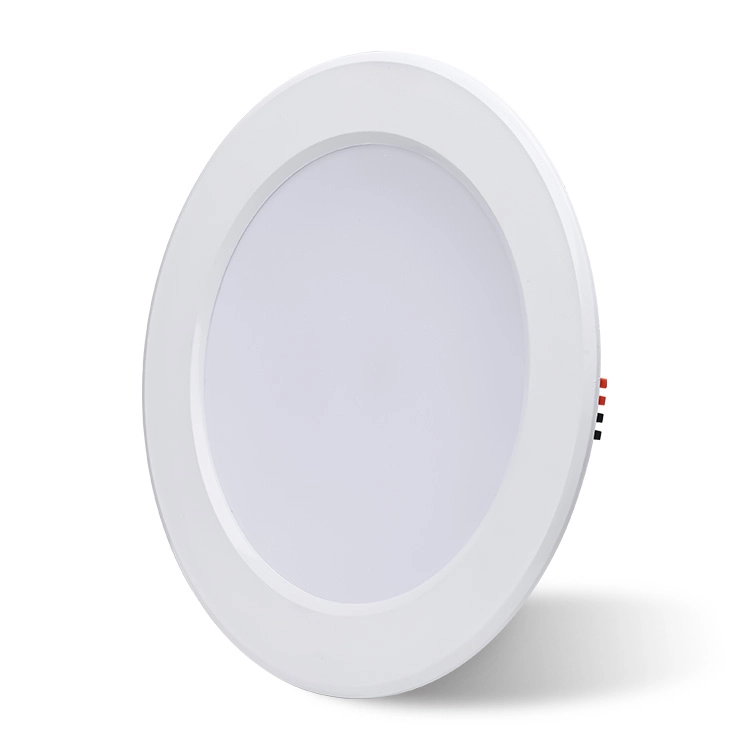
Ambient lighting will play an increasingly important role in creating the perfect mood for theatre productions. In 2026, the use of soft, diffused lighting to fill large spaces and create subtle backdrops will become more common. This type of lighting can set the tone for the entire performance, allowing the visual storytelling to unfold naturally through the atmosphere of the venue.
Ambient lighting is particularly effective for creating a romantic, mysterious, or intimate setting, helping to evoke the emotions the performance aims to convey. Whether it’s for dramatic moments or creating a comfortable atmosphere for the audience, ambient lighting will remain a core element of theatre lighting design.
AI-Driven Lighting for Real-Time Adjustments

In 2026, AI-driven lighting systems will be used to automatically adjust lighting settings based on the performance’s needs. By integrating real-time data from both the performance and the audience, AI systems can make precise lighting adjustments without manual input. This technology will allow for dynamic lighting changes during key moments in the performance, ensuring that the lighting always enhances the scene.
By using AI-powered systems, theatre lighting will become more efficient and precise, reducing the time and effort required for manual adjustments while improving the consistency and quality of lighting effects.
Future Trends: Virtual and Augmented Reality Integration

As virtual reality (VR) and augmented reality (AR) technologies continue to evolve, we can expect to see more immersive experiences integrated with theatre lighting. In 2026, theatre lighting will no longer be confined to the stage alone; it will blend with virtual environments, creating a multi-sensory experience that enhances the audience’s engagement with the performance.
This integration will allow for real-time visual effects, interactive lighting, and seamless transitions between the physical stage and virtual elements, resulting in an entirely new level of theatrical production.
Essential Theatre Lighting Products for 2026
As theatres continue to evolve in 2026, lighting products are becoming more advanced, flexible, and sustainable. The right combination of lighting fixtures not only enhances the artistic presentation but also improves energy efficiency and operational control. Below are the most essential theatre lighting products that define the modern stage setup.
LED Moving Head Lights
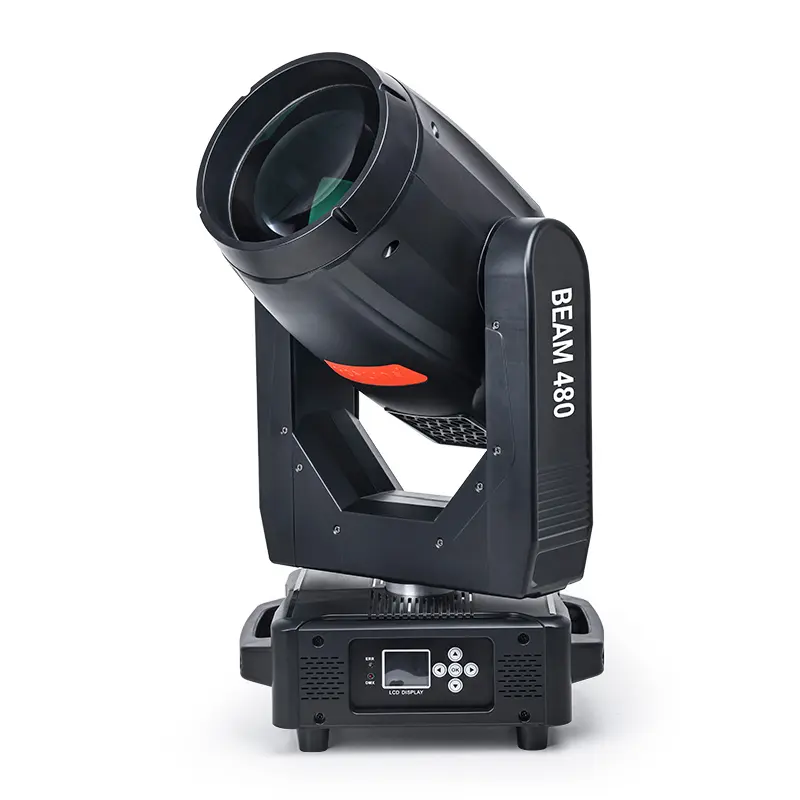
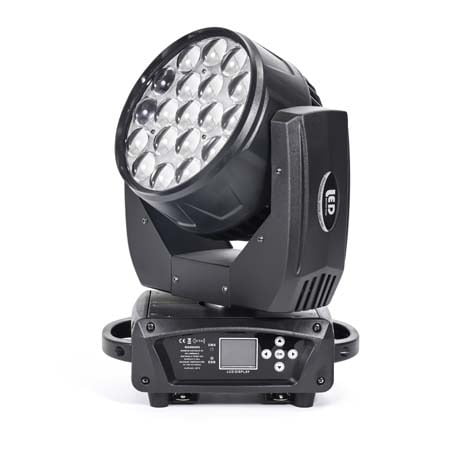
LED moving head lights have become the backbone of modern theatre lighting. These versatile fixtures can rotate, tilt, and project intense beams across the stage, offering both spotlight precision and wide-area coverage. Their color mixing capabilities, beam shaping, and DMX controllability make them perfect for dramatic transitions and dynamic effects. With long lifespans and low power consumption, LED moving heads are replacing traditional halogen fixtures in theatres worldwide.
LED Wash and Par Lights

LED wash lights and Par fixtures are essential for creating smooth, even illumination across the stage. They are commonly used for background lighting, set highlighting, and atmospheric effects. In 2026, advanced RGBW and RGBAW+UV models are gaining popularity for their wider color range and seamless blending. Their compact size, low heat emission, and programmable color options make them ideal for theatres with diverse productions.
Follow Spot and Tracking Lights

Follow spotlights remain vital for theatre performances that require precise focus on a performer or key stage area. Modern follow spots now feature motorized zoom, remote tracking, and integrated DMX control, allowing operators to adjust brightness and color temperature in real time. Automated tracking lights powered by AI will also grow in use, capable of identifying and following actors based on movement sensors, ensuring consistent and professional illumination.
Lighting Control Consoles

Every modern theatre relies on a lighting control console to coordinate and manage multiple lighting fixtures. In 2026, consoles are more powerful and user-friendly, offering touchscreen interfaces, wireless connectivity, and AI-assisted cue management. These systems allow lighting designers to pre-program scenes, automate transitions, and sync lighting effects with sound or projection, making them essential for achieving seamless show control.
Special Effects and Atmospheric Lights
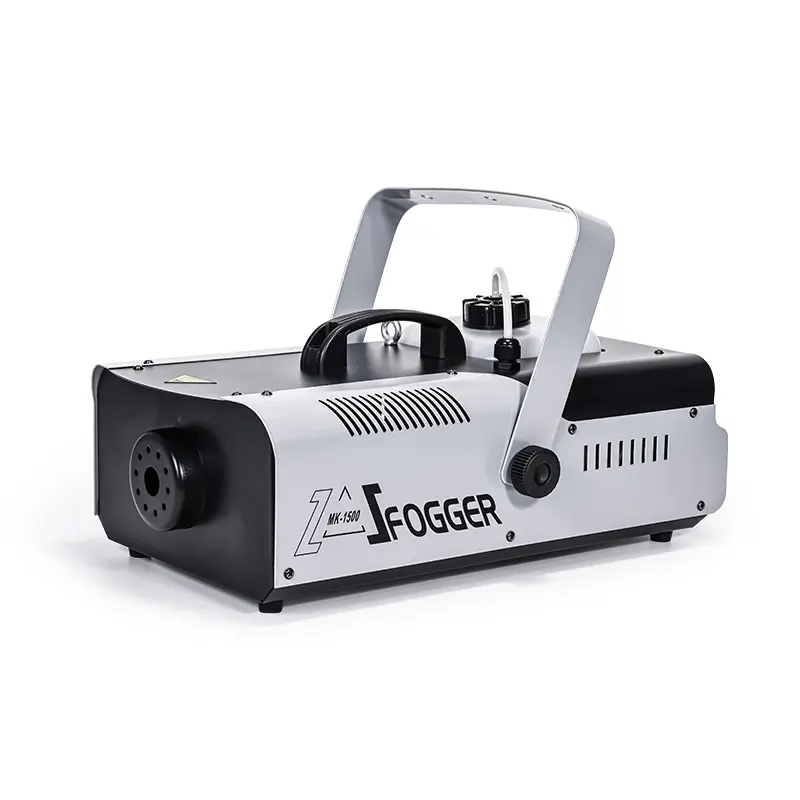
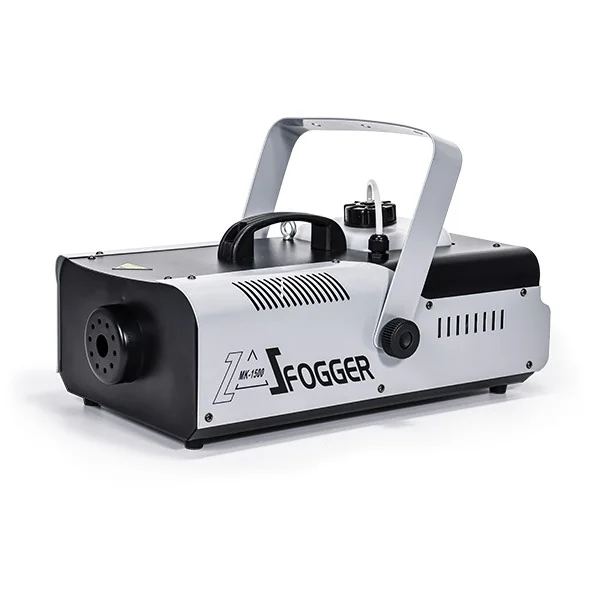
Adding atmosphere is a crucial part of theatrical storytelling. Fog machines, haze generators, and Gobo projectors are essential tools for creating depth, mystery, and mood. The 2026 trend favors low-fluid consumption smoke machines and quiet-operation models, suitable for drama and opera settings. Gobo lights, capable of projecting patterns or custom designs, remain popular for artistic stage visuals and thematic effects.
Modular and Portable Lighting Systems

Modular lighting systems are revolutionizing how theatres design and reconfigure their lighting setups. These flexible units can be rearranged easily, making them ideal for theatres hosting multiple productions in the same space. Many modern modular systems feature quick-lock mechanisms, wireless DMX, and stackable frames, allowing for faster setup and teardown while maintaining high performance.
Sustainable and Energy-Efficient Lighting

Sustainability continues to drive lighting innovation in 2026. Theatres are increasingly adopting eco-friendly fixtures built from recyclable materials and solar-compatible power systems. Manufacturers are also introducing intelligent dimming technologies that optimize power use without compromising performance. These sustainable products help reduce environmental impact while maintaining artistic quality, making them a must-have for modern theatre operations.
Lighting Control Systems for Seamless Stage Management
Lighting control systems are essential for modern theatre productions, allowing for seamless integration of lighting, sound, and special effects. As technology advances, lighting systems in 2026 will become smarter, more automated, and increasingly intuitive. Whether through advanced DMX control, wireless solutions, or AI-powered systems, these tools will provide lighting designers with the flexibility to create stunning visual effects with ease.
Advanced DMX Control Systems for Precision Lighting

DMX control systems are the backbone of stage lighting, allowing designers to manage multiple fixtures and lighting cues. The latest DMX systems in 2026 will offer greater precision, including real-time programming, multi-device synchronization, and enhanced capabilities to control complex lighting displays. These systems allow for seamless transitions between lighting scenes, ensuring perfect execution during live performances.
Wireless Lighting Control for Greater Flexibility

Wireless lighting control systems are transforming stage management by providing greater flexibility and ease of setup. With wireless DMX, lighting designers can control fixtures from anywhere on stage or remotely, making them ideal for venues with complex setups or outdoor events. The lack of cables simplifies setups and ensures that lighting can be adjusted quickly and easily.
AI-Powered Lighting Automation for Real-Time Adjustments

AI-powered lighting systems in 2026 will automatically adjust lighting based on performance data, ensuring that lighting transitions match the action on stage. By using real-time data such as audience reactions, performer movements, or sound cues, AI systems can dynamically adjust lighting to enhance the performance and reduce the workload of the technical team.
Cloud-Based Lighting Control for Remote Management

Cloud-based lighting control systems allow theatre professionals to manage lighting remotely, offering centralized control for multi-venue productions or large-scale shows. By leveraging cloud technologies, lighting adjustments can be made from any location, ensuring quick and effective responses during performances. This system is ideal for productions that require flexibility and remote coordination.
Integrated Lighting Systems for Multi-Element Coordination

In 2026, integrated lighting systems will allow seamless coordination between lighting, sound, and video elements. These systems enable real-time synchronization of all production elements, allowing for a cohesive experience. Lighting designers can link lighting cues to audio cues, video projections, and special effects, creating a fully integrated performance.
The Role of Interactive and Immersive Lighting in Theatre
In 2026, interactive and immersive lighting will be key to transforming the way theatre productions engage with audiences. Lighting will no longer simply illuminate the stage—it will become an integral part of the performance, enhancing storytelling and creating deeper connections between the audience and the actors. By incorporating technologies such as motion sensors, AI-driven systems, and AR/VR integration, lighting will become more dynamic, responding in real-time to the performance, audience movements, and even sound cues.
Here are three essential ways in which interactive and immersive lighting will shape the future of theatre lighting:
Interactive Lighting for Audience Engagement

Interactive lighting will allow the audience to influence the lighting during the performance. Through motion sensors or audience feedback, lighting will change based on audience actions such as clapping, moving, or even vocal responses. This creates a more engaging experience, allowing the audience to feel like they are a part of the performance rather than just passive observers.
Immersive Lighting for Creating Atmosphere

Immersive lighting goes beyond traditional stage lighting, enveloping the audience in the world of the performance. By integrating virtual reality (VR) and augmented reality (AR) with lighting systems, theatres will be able to transport audiences into the scenes, enhancing their emotional connection to the story. The lighting will create an environment that blurs the line between reality and performance, making the audience feel fully immersed in the experience.
AI-Powered Lighting for Dynamic Scene Changes

AI-powered lighting will bring precision and efficiency to real-time lighting changes. These systems will analyze actor movements, sound cues, and even audience reactions to adjust lighting on the fly. The lighting will shift seamlessly with the performance, supporting dynamic scene changes and creating a more fluid and cohesive experience for the audience. This technology will reduce the manual effort involved in lighting changes and allow for greater creativity and flexibility in lighting design.
Future of Theatre Lighting: What to Expect Beyond 2026
As we look beyond 2026, theatre lighting is poised for even greater innovation, driven by advances in technology, interactivity, and sustainability. The next decade will bring further evolution in the integration of AI, smart lighting systems, and immersive technologies like VR and AR. These advancements will allow for more dynamic, real-time control and the ability to create seamless environments that deeply engage audiences and enhance performances.
In the following table, we explore the key trends and innovations we can expect in theatre lighting as we move beyond 2026:
| Trend | Description | Impact on Theatre |
|---|---|---|
| AI-Driven Lighting Automation | The next generation of AI-powered lighting systems will allow real-time adjustments based on performance data. | AI will enable precise lighting changes, enhancing real-time synchronization with the performance. |
| Fully Integrated Lighting Systems | Lighting will be more integrated with sound and video systems to create a fully cohesive experience. | This will ensure seamless transitions between lighting, sound, and visual effects, enhancing immersion. |
| Virtual and Augmented Reality Integration | VR and AR technologies will blend with lighting to create immersive environments for the audience. | The audience will be physically and emotionally immersed in the performance, creating deeper engagement. |
| Sustainability and Eco-Conscious Design | The adoption of solar-powered and energy-efficient solutions will continue to grow, reducing the environmental footprint of lighting. | Theatre companies will have eco-friendly alternatives that meet their sustainability goals while providing high-quality lighting. |
| Modular and Adaptive Lighting | Modular lighting systems will become more flexible, allowing for easy setup and real-time adjustment. | The flexibility of these systems will provide more creative freedom in designing dynamic performances. |
| Interactive Lighting for Enhanced Engagement | Advanced interactive lighting systems will enable audience participation, where lighting reacts to guest actions or emotions. | This will create a participatory theatre experience, blurring the line between performer and audience. |
FAQ — 2026 Theatre Lighting Trends
Q1: What are the key lighting trends for theatres in 2026?
A: In 2026, key theatre lighting trends include AI-powered lighting, sustainable lighting solutions, interactive lighting that engages the audience, and the integration of AR/VR to create immersive environments. These innovations will make theatre lighting more dynamic, energy-efficient, and connected to the performance.
Q2: How will AI improve theatre lighting in 2026?
A: AI-powered lighting systems in 2026 will automatically adjust lighting based on real-time performance data, such as actor movements and sound cues. This will enable seamless transitions, precise control, and dynamic lighting effects that are synchronized with the show.
Q3: What are the benefits of sustainable lighting solutions in theatre?
A: Sustainable lighting solutions like LED lights, solar-powered lights, and energy-efficient fixtures will continue to gain importance in theatres. These solutions reduce energy consumption, lower operational costs, and help theatres meet eco-friendly goals while maintaining high-quality performance lighting.
Q4: How can interactive lighting enhance the theatre experience?
A: Interactive lighting systems allow audience participation by adjusting the lighting based on guest reactions or movement. This creates a more engaging experience, allowing the audience to feel like a part of the performance, enhancing their emotional connection to the show.
Q5: What is the future of immersive theatre lighting beyond 2026?
A: The future of immersive theatre lighting will involve virtual reality (VR) and augmented reality (AR) integration, allowing for fully immersive experiences. These technologies will create dynamic environments that interact with the audience, making them feel as though they are part of the performance, rather than just spectators.
Conclusion — The Future of Theatre Lighting in 2026 and Beyond
As we look towards the future of theatre lighting, the trends emerging in 2026 represent a perfect blend of innovation, efficiency, and audience engagement. With the advent of AI-driven lighting systems, sustainable solutions, and immersive technologies, theatre lighting will continue to evolve to meet the demands of modern productions.
From interactive lighting that enhances audience participation, to modular lighting systems that offer greater flexibility, the future of theatre lighting promises to transform the way we experience live performances. By embracing these innovations, theatres can not only create more dynamic and immersive environments but also contribute to a more sustainable industry.
As theatre technology advances, staying ahead of these trends will be key to delivering unforgettable experiences. With the right lighting design and cutting-edge technology, the future of theatre lighting is brighter than ever.
Ready to illuminate your theatre production?
Contact Us to explore the latest theatre lighting solutions for your next production.



 EN
EN  ES
ES  PT
PT  DE
DE  FR
FR  KO
KO  JA
JA  RU
RU  AR
AR  IT
IT  TR
TR  MS
MS  ID
ID  VI
VI  TH
TH  HI
HI  BN
BN  ZH
ZH