





Introduction — Why Stage Design Matters in 2026
Stage design in 2026 is moving toward a more intentional blend of lighting, structure, and visual storytelling. Whether it’s a concert, festival, nightclub, church service, wedding, or corporate event, clients are expecting stages that deliver clarity, atmosphere, and high-impact visual experiences while remaining efficient and practical to operate. As LED technology evolves and event visual standards rise, lighting plays a greater role in shaping how audiences perceive a stage—its depth, energy, and emotional tone.
Modern stage design goes far beyond placing fixtures around a truss. It requires understanding how different lighting products interact with the space: how front light defines the performers, how beams and washes add movement, how LED screens anchor the backdrop, and how color layering creates a sense of mood. In 2026, trends focus on cleaner visual lines, stronger stage visibility, and lighting setups that enhance the overall design without overwhelming it.
For professionals planning stages next year, knowing which products to choose—and how to pair them with the right design principles—will be essential to building stages that look modern, perform reliably, and deliver the visual impact clients expect.
Key Trends Defining 2026 Stage Design
As audience expectations grow and events become more visually demanding, stage design in 2026 focuses on clarity, atmosphere, and smart product combinations. Below are the five trends shaping how stages are built and lit across concerts, festivals, clubs, churches, weddings, and corporate events.
1. Cleaner Visual Lines & Minimalist Stage Architecture

Stages are moving toward simple but refined structures—clean lines, uncluttered truss layouts, and visually balanced lighting positions. This design trend helps draw attention to performers, eliminates visual noise, and makes lighting effects more pronounced, especially when using beams, washes, and LED screens.
2. Layered Lighting for Depth and Dimension

Instead of relying on a single lighting direction, designers now build multiple layers: front, side, top, back, and accent lighting. This layered approach enhances depth, creates a stronger stage silhouette, and supports different moods throughout a performance. It also improves camera results for livestreamed or recorded events.
3. LED Screens, Pixel Bars & Hybrid Visual Systems

LED walls, strips, pixel bars, and projection elements are becoming central to stage design. These tools act as both lighting sources and scenic elements, giving designers more flexibility to shape the backdrop and synchronize visuals with music or movement. The combination of LEDs and lighting fixtures forms a modern, high-impact visual look.
4. Color-Driven Atmosphere & Mood Transitions

Color is now a primary design tool. Smooth transitions between warm, cool, and high-energy tones help shift audience perception and enhance the emotional arc of performances. Wash lights, PARs, lasers, and pixel fixtures are used to create mood layers that match the event’s pacing and atmosphere.
5. Energy-Efficient Lighting & Practical Rigging Choices

With rising energy costs and more outdoor events, 2026 design trends emphasize efficient LED fixtures, lightweight structures, and smart power distribution. Churches, festivals, and touring stages especially benefit from low-consumption beams, PARs, and wash lights that maintain brightness while reducing heat and operational cost.
Essential Lighting Products Shaping 2026 Stage Design
In 2026, stage design relies heavily on lighting fixtures that can deliver flexibility, visual impact, and efficient performance across concerts, festivals, nightlife venues, churches, weddings, and corporate events. The products below form the foundation of modern stage lighting and are key to achieving layered, high-impact designs.
1. Moving Head Beam Lights

Beam lights create precise, sharp aerial effects that cut through haze and define the stage’s energy. They are the primary choice for concerts, festivals, DJ setups, and large indoor venues because they add movement, rhythm, and strong visual direction to the overall design.
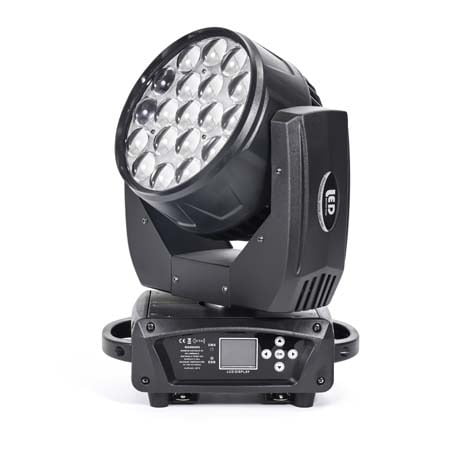
2. Moving Head Wash Lights

Wash fixtures provide broad coverage, smooth color transitions, and soft edges. They are used to shape atmosphere, illuminate performers evenly, and add emotional depth to the scene. Wash lights are essential for events requiring balanced color layers, including weddings, churches, and theatrical shows.
3. LED PAR Lights

LED PARs remain one of the most versatile tools in stage design. They function as background glow, uplighting, floor lighting, or color fill. Their consistent output, low power use, and wide range of color options make them indispensable for setting the overall tone of the stage.
4. Laser Lights

Lasers introduce high-precision lines, grids, and motion effects that enhance dramatic moments in music-driven events such as DJ performances, festivals, and nightclubs. They bring a high-tech aesthetic and synchronize well with electronic or high-energy music.
5. Strobe & Blinder Lights

These fixtures amplify intensity during climactic moments. Strobes create rapid bursts of energy, while blinders deliver powerful warm-white hits that engage the audience. Both are crucial elements in modern stage dynamics and pacing.
6. Pixel Bars & LED Strips

Pixel-based fixtures allow designers to create linear effects, animations, and synchronized visual patterns. They bridge the gap between scenic elements and lighting, making them perfect for modern set designs that incorporate clean lines and high-tech looks.
7. LED Screens & Visual Backdrops

LED walls and screens now function as core components of stage design—not just for video, but as lighting elements. They shape the backdrop, define stage boundaries, and enhance the overall visual impact when synchronized with lighting cues.
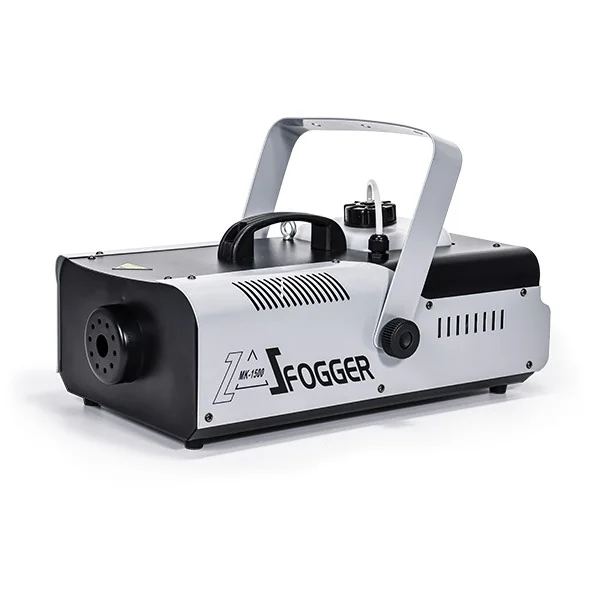
8. Fog & Haze Machines

Atmospheric effects are essential for revealing beams, adding depth, and shaping the stage’s three-dimensional look. Haze is subtle and used for clarity, while fog creates punchier, more dramatic moments. Both are foundational for any design involving aerial effects.
Recommended Lighting Setups for Different Stage Scenarios
Different stage environments require different lighting approaches. Below are optimized 2026-ready setups for the most common stage scenarios, helping you match products with atmosphere, visual impact, and design goals.
1. Concert & Live Music Stages

Concerts demand layered, high-impact lighting that responds to music dynamics and creates depth across large spaces.
Recommended Products:
Moving Head Beam Lights (long-throw sweeps & aerial effects)
Moving Head Wash Lights (performer fill light & color ambience)
LED PAR Lights (wide-area color wash)
Strobe / Blinder Lights (accent hits & high-energy moments)
Haze Machine (enhances beam visibility)
LED Screens (visual structure & focal points)
2. Church Stage & Worship Environments

Church stages focus on clarity, warmth, and a distraction-free worship atmosphere while supporting live streaming and sermons.
Recommended Products:
LED PAR Lights (soft color wash for background mood)
Moving Head Wash Lights (balanced lighting for worship teams)
Static Spot Lights (clean front light for pastors/speakers)
Uplights (enhancing stage backdrop & architectural elements)
LED Bars (for LED wall edges and stage framing)
Front Lighting Fixtures (shadow-free broadcast lighting)
3. Nightclubs & DJ Performances

Nightclubs need motion-driven, rhythm-responsive lighting that maximizes energy on the dance floor.
Recommended Products:
Moving Head Beam Lights (fast sweeps & intense aerial looks)
Laser Lights (sharp lines & futuristic effects)
LED Pixel Bars / Strips (high-tech visual accents)
Strobe Lights (beat-sync bursts)
LED PAR Lights (color layering & mood shifts)
Fog Machine (adding depth to beams & lasers)
4. Corporate Events & Conferences

Corporate stages prioritize professional visibility, clean lines, and brand-appropriate color tones.
Recommended Products:
LED PAR Lights (brand color washes)
Soft Wash Fixtures (clean, smooth face lighting)
Moving Head Wash Lights (depth without overpowering)
LED Screens (presentation visuals and branding)
Accent Lights (logo area highlights)
Uplights (premium event ambience)
5. Wedding Stages & Special Events

Weddings require elegant, soft, visually appealing lighting that enhances décor and creates emotional impact.
Recommended Products:
LED PAR Lights (romantic tone washes)
Moving Head Wash Lights (soft spotlighting & color ambience)
Decorative LEDs / Fairy Lights (visual layering)
Gobo Projectors (names, patterns, themed graphics)
Uplights (enhancing décor height & depth)
Fog Machine (soft cloud effect for first dance)
6. Outdoor Festival Stages

Festivals need high-brightness, long-throw lighting that performs well across large open spaces.
Recommended Products:
Moving Head Beam Lights (far-reach aerial sweeps)
Hybrid or Profile Moving Heads (performer key light + effects)
LED PAR Lights (energy-efficient large-area washes)
Laser Lights (festival-grade atmosphere)
Strobe & Blinder Lights (crowd-wide energy peaks)
High-Output Haze Machines (outdoor beam enhancement)
7. Theatre Stage Lighting

Theatre stages prioritize storytelling, controlled mood transitions, and visibility that supports actors and set design.
Recommended Products:
LED Profile Spotlights (sharp cuts, actor key lighting)
Fresnel Lights (soft, adjustable stage wash)
Moving Head Wash Lights (dynamic ambience changes)
LED PAR Lights (background color tone shifts)
Gobo Projectors (textures, scenery enhancement)
Footlights / Side Lights (adding depth & dramatic shaping)
Core Principles of Stage Lighting Design in 2026
A successful 2026 stage lighting setup follows a clear set of design principles that balance visual impact, functional visibility, and modern production expectations. Whether it’s a festival, concert, church stage, nightclub, or theatre, these fundamentals help create professional, high-impact results across any venue size.
1. Layered Lighting for Depth and Dimension

A well-designed stage uses multiple layers of light—front, side, back, and overhead—to shape performers, highlight movement, and add structure. Layering improves clarity for cameras, enhances facial visibility, and prevents flat or washed-out scenes. This principle remains central in concerts, churches, and theatre productions.
2. Balanced Color Temperature Across the Stage

A consistent color temperature ensures skin tones look natural and transitions feel controlled. Warm tones create intimacy (great for worship spaces or weddings), while cooler tones support high-energy environments such as nightclubs and festivals. LED fixtures make these adjustments easier and more energy-efficient in 2026.
3. Purpose-Driven Use of Effects

Lighting effects—beams, strobes, pixel mapping, lasers, uplights—should always serve the scene’s purpose.
Concerts: energy and dynamics
Nightclubs: movement and rhythm
Theatre: storytelling and emotional cues
Churches: calm, warm, distraction-free atmospheres
This principle ensures the lighting enhances the audience experience instead of overwhelming it.
4. Positioning and Angles That Match the Venue

Fixture placement remains one of the strongest design fundamentals in 2026.
Front lights must avoid harsh shadows.
Side lights sculpt shape and movement.
Back lights add separation from the background.
Floor fixtures introduce depth and dramatic accents.
Correct angles improve visibility, reduce glare, and strengthen the overall stage presence.
5. Adaptability for Multi-Scene Productions

Modern stage design often requires fast transitions—sermons to worship sets, speeches to performances, or DJ sets to headline shows. Lighting setups should be able to shift between moods smoothly using programmable scenes, DMX control, and versatile fixtures like moving heads and LED PARs.
6. Integration of Screens, Set Design, and Lighting

In 2026, stage design must consider LED walls, scenic elements, backdrops, and props. Lighting must complement—not compete with—these surfaces.
Soft washes bring out textures, beams add height and excitement, and pixel-based fixtures frame LED screens without causing distraction.
7. Energy Efficiency Without Compromising Output

With LED technology dominating 2026 lighting trends, designers can achieve higher brightness with lower power draw. Energy-efficient fixtures, low-heat LEDs, and improved power distribution systems reduce costs while supporting more ambitious stage looks.
Visual Effects Transforming Modern Stage Design
Modern stage design in 2026 increasingly relies on high-impact visual effects to elevate performances, enhance audience immersion, and create memorable moments. These effects combine lighting, movement, color, and motion dynamics to support concerts, theatre shows, festivals, nightclubs, and corporate productions alike.
Beam Aerial Effects — Sharp, defined beams cutting through haze to create dramatic sky patterns and height.
Pixel-Mapped Light Shows — LED bars, moving heads, and panels forming coordinated animations for rhythm-based designs.
Strobe & Burst Moments — Controlled flashes for energy spikes during drops, climaxes, or transitions.
Laser Grid & Fan Effects — Multi-layer laser beams forming tunnels, waves, or geometric shapes for high-impact scenes.
Color Wash Environments — Wide, immersive washes using LED PARs and moving wash lights to fill the stage with uniform color.
Projection Mapping Textures — Visual textures cast on set pieces or screens to reinforce themes or storytelling.
Low-Fog Ground Effects — Floor-level haze combined with uplights for a floating, atmospheric stage look.
Shadow & Silhouette Lighting — Backlight-driven designs enhancing depth, outlines, and dramatic entrances.
LED Floor Interactions — Dance floors or panel floors reacting to movement, beats, or color cues.
Accent & Highlight Effects — Focused lights (like profile movers) spotlighting key performers, props, or scenic elements.
High-Impact Stage Layouts & Set Design Techniques
Creating a high-impact stage in 2026 requires a balance of structure, visibility, depth, and movement. The following layout and set-design techniques help designers build stages that feel modern, immersive, and visually dynamic across concerts, theatre, festivals, churches, and corporate events.
Tiered Stage Levels — Multi-height platforms add depth, enhance performer visibility, and create dynamic lighting angles.
LED Wall Integration — Large LED screens used as backdrops or side panels for motion graphics, storytelling, and ambient visuals.
Runway & Extended Stage Sections — Brings performers closer to the audience and supports immersive lighting from side angles.
Curved or Modular Backdrops — Softens edges, improves sightlines, and blends seamlessly with projection or LED mapping.
Symmetrical Lighting Grids — Evenly distributed trusses for clean lines, balanced visual weight, and modern stage geometry.
360° Lighting Positions — Surrounding the stage with fixtures for full-coverage effects and more dynamic transitions.
Set Pieces with Integrated Lighting — Columns, arches, or frames embedded with LED strips for depth and motion accents.
Minimalist Scenic Elements — Clean shapes and open space to amplify lighting design as the primary visual driver.
Overhead Light Arcs & Rigs — Curved truss shapes create dimensional overhead movement and stronger visual flow.
Flexible Modular Panels — Quick-change scenic panels that support fast redesigns between acts, events, or service flows.
LED Screens, Projection Mapping & Hybrid Visual Systems
As visual expectations rise across concerts, festivals, churches, and corporate shows, stages in 2026 increasingly rely on hybrid visual systems that blend LED screens, projection, and lighting into one cohesive design. These technologies enhance the overall atmosphere, support storytelling, and create immersive experiences that elevate any event.
LED Screens for Dynamic Backdrops — High-brightness LED walls create motion graphics, ambient visuals, lyrics, and real-time content.
Side LED Columns & Strips — Vertical LED elements add depth, frame performers, and enhance clean lines in modern stage design.
Projection Mapping on Scenic Panels — Transforms static set pieces into animated surfaces for concerts, theatre, and event stage use.
Hybrid LED + Projection Systems — Combines LED clarity with projection flexibility for visually layered environments.
LED Floors & Interactive Surfaces — Dance floors and stage decks reactive to movement or sound activation for high-impact visuals.
Ceiling Projection Effects — Expands the visual field upward to create immersive environments without crowd obstruction.
Mapped Architectural Highlights — Uses projection to draw attention to arches, columns, or church stage design elements.
Curved or Wraparound LED Walls — Enhances depth and immersion for music festivals and modern stage design setups.
Low-Latency Real-Time Visual Sync — Ensures visuals respond instantly to DJ cues, worship transitions, or theatrical moments.
Cost-Effective LED Panel Configurations — Modular setups optimized for small venues, modern small church stage design, or portable events.
Lighting Control Systems & Programming for 2026 Stage Design
As stages become more dynamic, multi-layered, and visually complex, reliable control systems are essential. In 2026, lighting programming focuses on precision, real-time responsiveness, and seamless integration with LED screens, projection mapping, and stage effects. A strong control setup ensures smooth transitions, synchronized visuals, and consistent performance across concerts, festivals, theatre shows, and worship environments.
Control Systems & Programming Comparison Table
| System / Feature | Best For | Key Advantages | Why It Matters in 2026 |
|---|---|---|---|
| DMX Controllers | Small to mid-size stages | Simple control, cost-effective, reliable | Ideal for essential programming and basic stage lighting design |
| Advanced Lighting Consoles | Concerts, festivals, theatre | Multi-universe control, precise cue structuring, powerful programming tools | Needed for complex setups using moving heads, LED screens & immersive effects |
| Network-Based Lighting Control (Art-Net / sACN) | Large-scale events, LED walls | High data capacity, flexible routing, real-time transmission | Supports modern stage design using LED walls, projection mapping & hybrid systems |
| Timecode & MIDI Sync | DJs, concerts, multimedia shows | Perfect sync with music, video & effects | Ensures visual cohesion and enhances audience engagement |
| Remote & App-Based Control | Churches, corporate events, small venues | Easy operation, quick adjustments, accessible UI | Provides staff-friendly operation and reduces setup complexity |
Future Trends: What to Expect Beyond 2026
As stages continue evolving across concerts, festivals, churches, theatres, and corporate events, the next wave of innovation focuses on more efficient products, smarter design workflows, stronger visual integration, and adaptable stage environments. Below is a clear breakdown of where stage lighting and stage design are heading after 2026.
Future Trends Table — Products, Scenes, Atmosphere & Design
| Category | What’s Coming After 2026 | Why It Matters |
|---|---|---|
| Lighting Products | More compact moving heads, high-output LED beams, modular LED tiles, power-efficient fixtures | Delivers stronger visual impact while reducing energy consumption and long-term operating costs |
| Stage Design | Cleaner lines, flexible stage frames, lightweight scenic panels, hybrid LED + projection setups | Creates modern stage design with fast setup, easy adaptation, and enhanced visual storytelling |
| Lighting Atmosphere | Multi-layered washes, subtle accent lighting, immersive low-haze environments, dynamic color transitions | Builds mood and audience engagement across concerts, festivals, worship stages & theatre |
| Stage Scenarios | Designs optimized for small venues, portable stages, outdoor festival footprints, and mixed-use event spaces | Ensures scalability—ideal for touring productions, worship venues, DJs, and music festivals |
| Control & Programming | Refined cue-based programming, stronger timecode sync, more intuitive UI for consoles | Achieves smoother transitions, consistent cue execution, and reliable real-time performance |
| Energy & Sustainability | High-efficiency LED technology, solar-assisted systems, low-power modes | Reduces energy consumption without sacrificing brightness—key for large-scale and outdoor events |
| Integration With Visual Systems | Improved LED wall mapping, hybrid projection setups, reactive floor systems | Provides richer immersive environments and more dynamic stage backdrops |
| Audience Interaction | Practical sound-activation modes, rhythmic color effects, crowd-responsive atmospheres | Enhances audience engagement without relying on unrealistic AI/AR concepts |
FAQ — 2026 Stage Design & Lighting
1. What stage lighting design principles should I follow for a 2026 setup?
Focus on layered lighting, balanced front light, clean-line layouts, and integration with LED walls or projection surfaces. These principles improve visibility, depth, and overall stage atmosphere.
2. How do I choose the right stage lighting fixtures for different venue sizes?
Smaller venues benefit from compact LED Pars and mini moving heads, while large stages require high-output beams, wash fixtures, and modular LED wall systems. Always match fixture output to venue scale and ceiling height.
3. What’s the best lighting setup for combining LED screens with traditional stage lights?
Use LED screens as the main visual backdrop, then add moving heads, side washes, and accent lights to maintain depth. Proper mapping and color calibration ensure visuals don’t overpower performers.
4. How can I reduce energy consumption in modern stage design?
Switch to energy-efficient LED fixtures, use power-saving modes on moving heads, minimize unnecessary haze output, and choose solar-assisted systems for outdoor events. Good programming also reduces wasteful cue cycles.
5. What lighting effects create the most audience impact in concerts and festivals?
High-impact effects include synchronized beam chases, strobe hits, color sweeps, sound-activated movements, low-fog atmospheres, and reactive LED floors. These effects enhance engagement without overcomplicated tech.
Conclusion — Final Takeaways
Stage design in 2026 continues to move toward cleaner visuals, smarter fixture choices, and scene-driven creativity. The most successful setups are built on the right combination of lighting products — from LED Pars and moving heads to projection elements and modular LED walls — each selected to enhance depth, atmosphere, and audience impact.
Across concerts, festivals, churches, theatres, and corporate events, the priority remains the same: create a balanced visual environment that supports the performance. Layered lighting, thoughtful placement, and efficient control systems ensure consistency and reliability throughout the show.
If you’re planning a new stage design for 2026, choosing the right lighting approach from the start will shape the entire experience. Need recommendations for fixtures, scene setups, or design direction? Our team is ready to help you build a visually powerful and practical stage solution.



 EN
EN  ES
ES  PT
PT  DE
DE  FR
FR  KO
KO  JA
JA  RU
RU  AR
AR  IT
IT  TR
TR  MS
MS  ID
ID  VI
VI  TH
TH  HI
HI  BN
BN  ZH
ZH